
الحكومة السودانية: توقف الربط الإثيوبي وحزمة عوامل وراء تفاقم أزمة الكهرباء
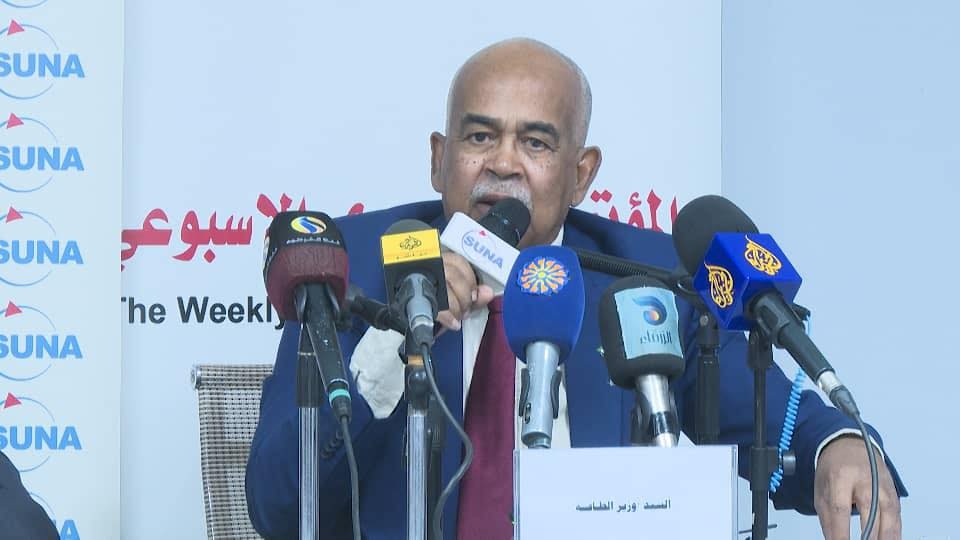
The Sudanese government has attributed ongoing power outages to a combination of factors, including the cessation of electricity supply from Ethiopia via a high-voltage transmission line. The situation has worsened in Khartoum and several states, causing significant hardship for citizens, with varying durations of power cuts ranging from 18 hours or more per day across different regions.
The legal significance of this development lies in its potential impact on businesses and households reliant on a stable electricity supply. Power outages can lead to losses in productivity, revenue, and even pose health risks due to inadequate lighting and sanitation facilities. Furthermore, the government's admission that multiple factors are contributing to the crisis may indicate a complex regulatory environment, with various stakeholders involved in managing the country's energy infrastructure.
The relevant legal context involves the Sudanese Electricity Act of 2004, which governs the generation, transmission, and distribution of electricity within the country. The act establishes the Sudan Electricity Corporation as the primary entity responsible for managing the national grid. Additionally, the government's reliance on imported electricity from Ethiopia via a high-voltage transmission line may raise questions about the enforceability of international energy agreements and the potential for disputes arising from supply disruptions.
Key parties involved in this matter include the Sudanese Ministry of Energy and Petroleum, which has acknowledged the role of multiple factors in exacerbating the power crisis. The Ethiopian government and electricity authorities are also relevant stakeholders, given their involvement in supplying electricity to Sudan via the high-voltage transmission line. Practitioners should monitor developments related to the government's efforts to address the power crisis and potential reforms to the energy sector.
Practitioner takeaway: Attorneys advising clients operating in the energy sector should be aware of the ongoing power outages and their potential impact on business operations. They may need to advise clients on contingency planning, contractual obligations, and potential disputes arising from supply disruptions.
How does this affect your business?
Get an AI analysis of this article grounded in your jurisdictions, practice areas, and any policy documents you've uploaded to Wansom.