
Aero Alliance Limited Takes Over Enugu Airport Operations in Nigeria
Abstract
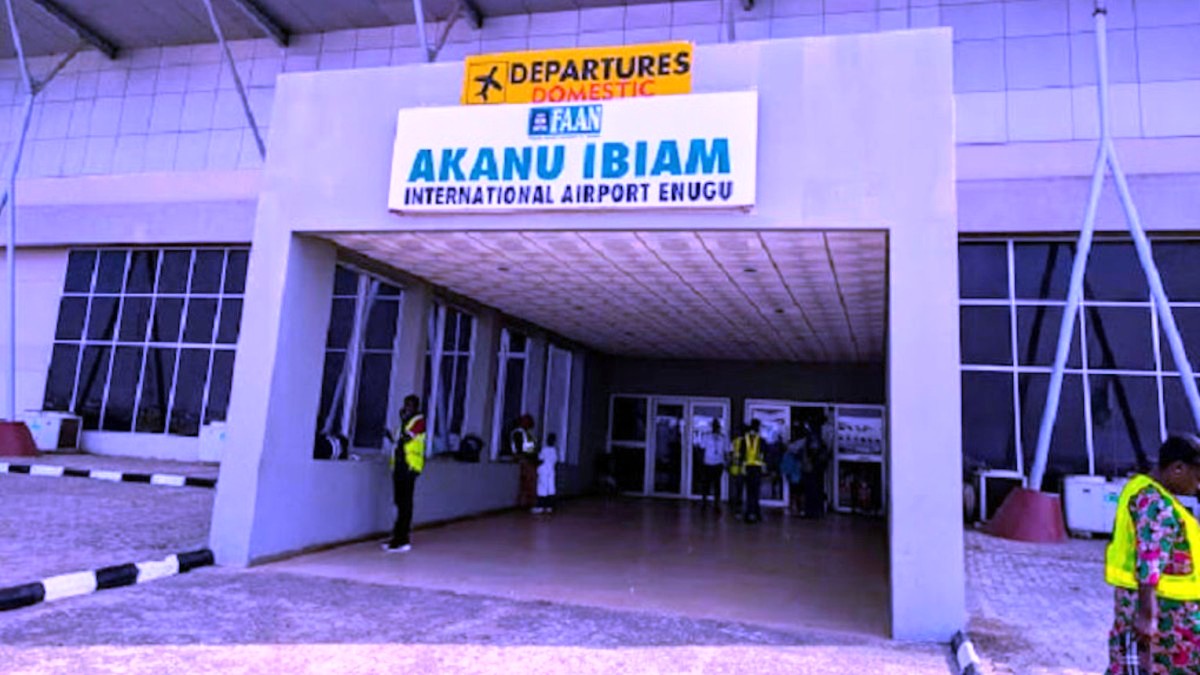
The Federal Government of Nigeria has officially concessioned the Akanu Ibiam International Airport, Enugu, to Aero Alliance Limited under a 30-year Public-Private Partnership (PPP) arrangement. This landmark development, which concludes a two-decade-long effort, aims to modernise airport infrastructure, enhance operational efficiency, and attract private sector investment into Nigeria's aviation sector. The concession focuses on terminal operations and commercial assets, with the Federal Government retaining ownership and control over airside operations. Supervised by the Infrastructure Concession Regulatory Commission (ICRC), this move signals a renewed commitment to leveraging private capital for critical national infrastructure development, setting a precedent for future airport concessions across the country.
Introduction
The landscape of Nigeria's aviation sector is undergoing a significant transformation with the recent concession of the Akanu Ibiam International Airport, Enugu, to Aero Alliance Limited. This strategic move, executed under a Public-Private Partnership (PPP) framework, marks a pivotal moment in the nation's long-standing ambition to revitalise its airport infrastructure and enhance operational standards. The handover, which occurred after approximately two decades of stalled attempts, underscores the current administration's resolve to attract private investment and inject efficiency into public assets.
Minister of Aviation and Aerospace Development, Festus Keyamo, SAN, highlighted that this concession is a testament to renewed investor confidence in Nigeria's aviation sector, with plans already in motion for similar arrangements at other key airports, including Port Harcourt. This development is not merely an isolated transaction but forms a core component of the Federal Government's broader aviation sector reform agenda, aiming to position Nigerian airports as world-class hubs capable of stimulating economic growth and regional connectivity.
For legal practitioners, this concession presents a rich area of study and engagement, touching upon complex aspects of public procurement, contract law, regulatory compliance, and dispute resolution in the context of infrastructure development. Understanding the underlying legal framework, the historical context of such arrangements, and the specific terms of this agreement is crucial for advising stakeholders in Nigeria's evolving PPP landscape.
Background
Public-Private Partnerships and concessions in Nigeria are primarily governed by the Infrastructure Concession Regulatory Commission (Establishment, etc.) Act, 2005 (the ICRC Act). This Act establishes the Infrastructure Concession Regulatory Commission (ICRC) with a mandate to regulate PPP projects of the Federal Government and oversee all concessions of public infrastructure. The ICRC Act empowers Ministries, Departments, and Agencies (MDAs) involved in infrastructure financing, construction, operation, or maintenance to enter into concession agreements with private entities, subject to the ICRC's supervisory mandate.
Complementing the ICRC Act is the Federal Airports Authority of Nigeria (FAAN) Act, which establishes FAAN as a corporate body responsible for managing all commercial airports in Nigeria and providing services to passengers and airlines. While the FAAN Act empowers FAAN to negotiate and enter into agreements with private entities, the ultimate decision to grant a concession is often subject to ratification by the Federal Executive Council (FEC). Historically, efforts to concession Nigerian airports have faced numerous challenges, including funding gaps, bureaucratic hurdles, and resistance from labour unions, leading to delays and unfulfilled promises over the years.
The current concession strategy, as outlined by the Ministry of Aviation, focuses on terminal concessions, where private operators manage and upgrade passenger and cargo terminals and commercial assets, while the Federal Government retains ownership of the airports and control over airside operations such such as runways, security, and air traffic management. This model aims to attract private capital and operational expertise without divesting national assets, a critical distinction for legal and public policy considerations.
Analysis
The concession of Akanu Ibiam International Airport, Enugu, to Aero Alliance Limited for a period of 30 years exemplifies the Federal Government's renewed drive for infrastructure development through PPPs. Under this arrangement, Aero Alliance Limited assumes responsibility for the financing, rehabilitation, expansion, operation, and management of the airport's terminal and commercial facilities. This aligns with the broader objective of modernising airport infrastructure and enhancing the passenger experience, which has often been hampered by limited public funding.
The role of the Infrastructure Concession Regulatory Commission (ICRC) has been central to this process, ensuring that the concession adheres to established regulatory and governance checkpoints, including due diligence, bidding, negotiations, and documentation. The approval of the full business case by the Federal Executive Council further legitimises the transaction, providing a robust legal and administrative foundation. This structured approach is intended to mitigate the pitfalls that plagued previous concession attempts and foster investor confidence.
Comparing this concession to past experiences, such as the successful operation of the Murtala Muhammed Airport Terminal 2 (MMA2) by Bi-Courtney Aviation Services Limited, offers valuable insights. MMA2 has consistently demonstrated the potential for efficiency and excellence under private management, serving as a benchmark for what can be achieved through effective PPPs in the aviation sector. Similarly, the 2021 concession of Asaba International Airport by the Delta State Government for 30 years provides a state-level precedent for long-term private sector involvement in airport management. These examples underscore the viability of the concession model when executed transparently and with clear contractual terms.
A critical aspect addressed in the Enugu concession is the welfare of airport workers. Minister Keyamo assured employees that their interests and rights would be protected, noting that aviation labour unions had withdrawn their court cases after understanding the government's intentions. This proactive engagement with labour is vital for the smooth implementation and long-term success of such projects, mitigating potential industrial disputes that could disrupt operations. However, the legal framework for airport concessions in Nigeria still faces scrutiny, with some experts advocating for a more robust, World-Bank-type PPP statute to fully address the complexities of project development, procurement, and delivery. The current regulatory landscape, while functional, is seen as somewhat fragmented, with the ICRC Act primarily serving as a regulatory statute rather than a comprehensive framework for granting concessions.
Furthermore, the concession agreement explicitly states that ownership of the airport remains with the Federal Government, and FAAN will continue to manage airside operations, including runways, security, and air traffic control. This division of responsibilities necessitates clear service level agreements between the concessionaire (Aero Alliance Limited) and FAAN to ensure seamless and efficient airport operations. The success of this model hinges on effective collaboration and strict adherence to contractual obligations by all parties involved.
Conclusion
The concession of Akanu Ibiam International Airport, Enugu, represents a significant stride in Nigeria's pursuit of modernising its aviation infrastructure through private sector participation. For legal practitioners, this development signals a growing area of practice, requiring expertise in complex contractual arrangements, regulatory compliance under the ICRC Act, and an understanding of sector-specific legislation like the FAAN Act. Attorneys advising concessionaires will need to conduct thorough due diligence, negotiate robust concession agreements, and ensure compliance with all statutory requirements, including those pertaining to labour relations and environmental standards.
Looking ahead, practitioners should closely monitor the performance of Aero Alliance Limited at Enugu, as its success will likely serve as a benchmark for the impending concessions of other airports, such as Port Harcourt. Furthermore, the ongoing discussions regarding the need for a more comprehensive PPP statute in Nigeria suggest potential legislative reforms that could impact future concession frameworks. Legal professionals should remain abreast of these policy and legislative developments to effectively guide clients through the evolving landscape of infrastructure concessions in Nigeria, ensuring that these partnerships deliver on their promise of enhanced efficiency, investment, and economic growth.
Citations
- 1.Infrastructure Concession Regulatory Commission (Establishment, etc.) Act, 2005
- 2.Federal Airports Authority of Nigeria Act
- 3.FG hands Enugu Airport to private operator - Nairametrics (June 26 2026)
- 4.FG CONCESSIONS ENUGU AIRPORT TO AERO ALLIANCE FOR 30 YEARS | KEYAMO HAILS WORLD-CLASS TRANSFORMATION - YouTube (June 27 2026)
- 5.FG Hands Over Enugu Airport To Private Operator For Concession Deal (June 25 2026)
- 6.FG hands over Enugu Airport to private operator - Premium Times Nigeria (June 25 2026)
- 7.FG Signs Concession Deal For Enugu Airport - Channels TV (June 25 2026)
- 8.Who Has The Power To Concession Public Airports In Nigeria? - G Elias
- 9.Frequently Asked Questions - nigerian airport concession
- 10.Publication: Who Has The Power To Concession Airports in Nigeria - G Elias
- 11.Explainer: What to know about airport concession in Nigeria - - BusinessDay (May 23 2023)
- 12.NIGERIAN AIRPORT CONCESSION – Federal Ministry of Aviation
- 13.Failed Promises of Airport Concession - THISDAYLIVE (January 24 2025)
- 14.federal airports authority of nigeria act
- 15.Nigeria leans on long-term concessions to finance airport upgrades and expansion (June 10 2026)
- 16.Airport concession: New progress, old battlefronts - The Guardian Nigeria News (January 30 2026)
- 17.Infrastructure Concession Regulatory Commission - Wikipedia
- 18.Concessions - Federal Airports Authority of Nigeria
- 19.Concessioning - Federal Airports Authority of Nigeria
- 20.Airports concession: Doubts, divisions trail Nigeria's aviation future (October 17 2025)
- 21.Why Stakeholders Worry Over Nigeria's Airports Concession Despite Assurances Of Transparency, As Govt Issues Request For Prequalification (August 19 2021)
- 22.Asaba International Airport - Wikipedia
How does this affect your business?
Get an AI analysis of this article grounded in your jurisdictions, practice areas, and any policy documents you've uploaded to Wansom.