
African Human Rights Experts Call for Fewer Women and Children in Detention
Briefly Analysis
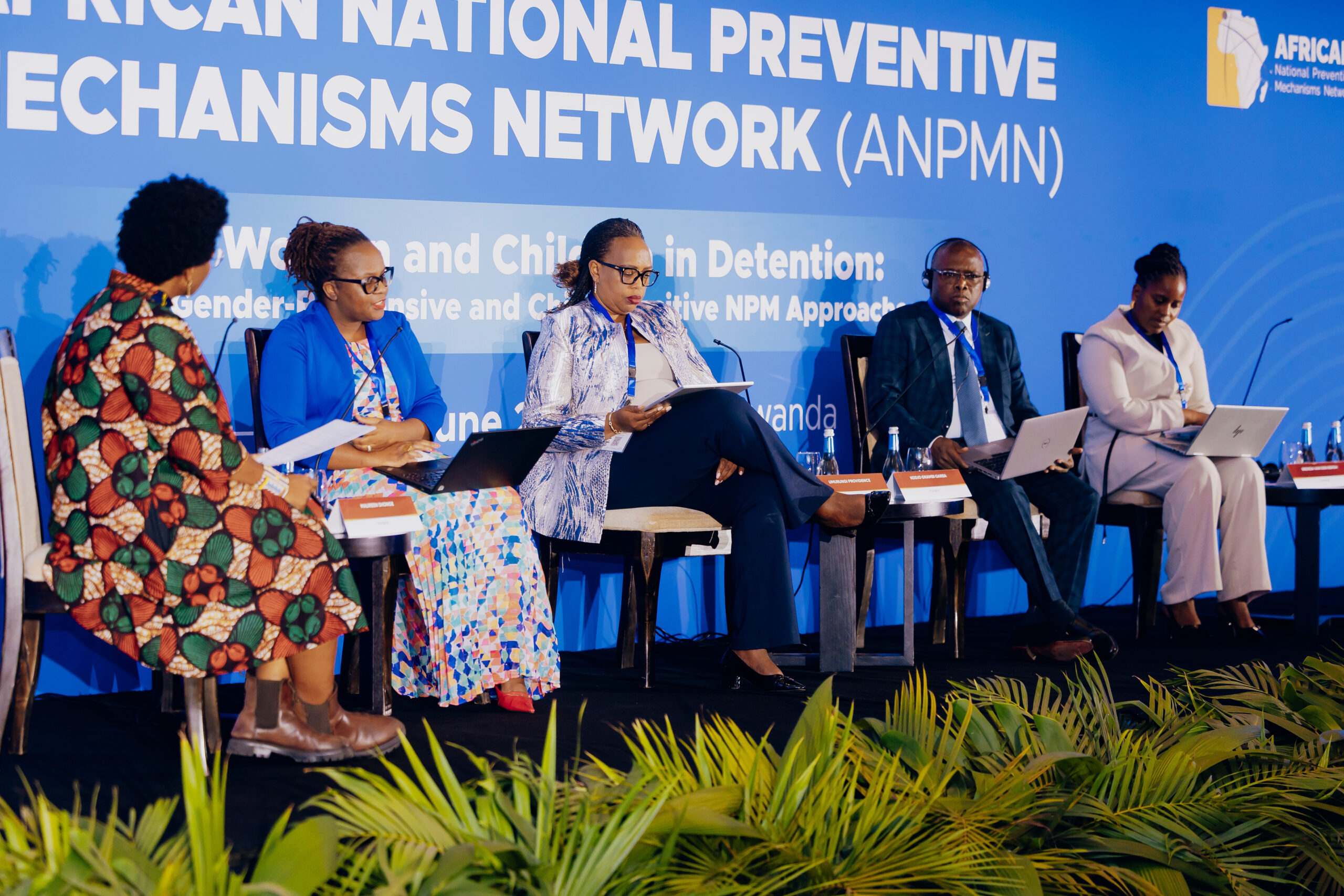
African human rights institutions, convening in Kigali, have issued a formal call for a systemic shift in the treatment of women and children within the criminal justice systems across the continent. The experts argue that current detention frameworks are fundamentally ill-equipped to address the specific needs of these vulnerable groups, often failing to provide adequate reproductive healthcare, mental health support, or protection against abuse. This advocacy movement seeks to influence national legislative agendas to prioritize non-custodial sentencing and restorative justice measures, moving away from the traditional, male-centric punitive models that currently dominate the penal landscape in many African jurisdictions.
This development is legally significant as it challenges the existing application of criminal procedure codes and sentencing guidelines that often lack gender-sensitive or age-appropriate provisions. For legal professionals, this signals a potential evolution in human rights litigation and policy reform. The call for reform aligns with broader international human rights instruments, such as the United Nations Rules for the Treatment of Women Prisoners and Non-custodial Measures for Women Offenders, known as the Bangkok Rules. As these standards gain traction in regional discourse, domestic courts may increasingly be called upon to interpret constitutional protections for dignity and equality in light of these international benchmarks, potentially leading to landmark rulings that mandate systemic changes in detention conditions.
Attorneys specializing in criminal defense and human rights law should monitor these developments closely, as they provide a framework for challenging current detention practices and advocating for alternative sentencing. Legal practitioners should consider incorporating these international standards into their litigation strategies when representing women and children, particularly in cases involving minor offenses where non-custodial alternatives are viable. Furthermore, businesses and NGOs involved in prison reform should prepare for potential legislative amendments that may introduce new requirements for detention facilities, including mandatory healthcare standards and specialized support services, which will necessitate both legal and operational adjustments.