
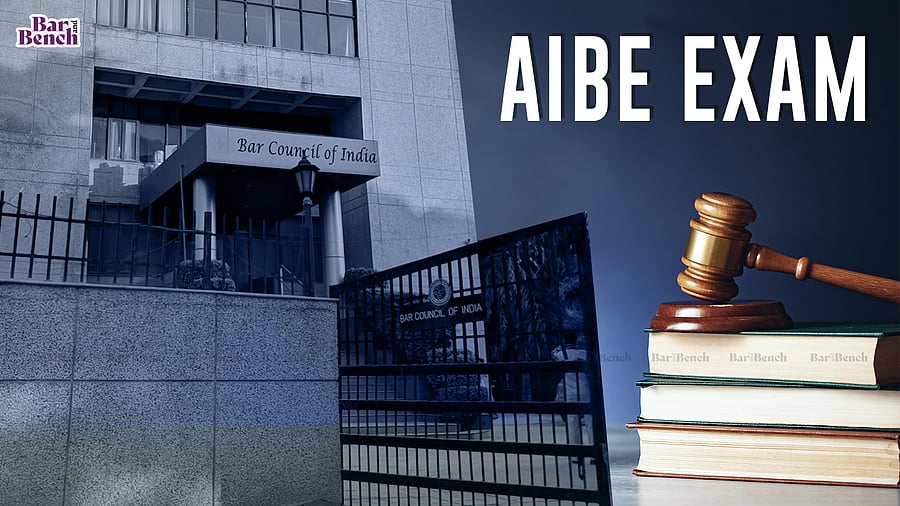
AIBE XXI results: 65.92% of candidates pass after qualifying marks cut by 3
Abstract
The Bar Council of India (BCI) has declared the results of the All India Bar Examination (AIBE) XXI, with an overall pass percentage of 65.92%. The qualifying marks were reduced by 3 points for general category candidates and 4 points for SC/ST/PwD candidates, resulting in a lower cut-off score. The examination was conducted on June 7, 2026, across 292 centres in 60 cities, with 1,75,701 candidates appearing. The results show that 59,709 of the 87,145 general category candidates qualified, along with significant numbers from other categories.
Introduction
The declaration of the AIBE XXI results by the Bar Council of India (BCI) marks a significant development in the legal profession in India. The examination is a crucial step for lawyers to obtain certification and practice law across the country. The reduction in qualifying marks has been welcomed by many, but its implications on the quality of legal education and practice remain unclear. This article will examine the background leading up to this decision, the significance of the results, and the potential implications for the legal profession.
Background
The All India Bar Examination (AIBE) is a mandatory examination for lawyers in India, aimed at assessing their knowledge and skills in law. The BCI has been conducting the AIBE since 2010, with the XXI edition being the latest iteration. The examination is designed to test the candidates' understanding of various legal concepts and principles, as well as their analytical and problem-solving skills. The qualifying marks for general category candidates were originally set at 45, while SC/ST/PwD candidates had a lower cut-off score of 40.
Analysis
The reduction in qualifying marks by the BCI's monitoring committee has been seen as a positive move by many, as it allows more candidates to qualify and practice law. However, this decision raises questions about the quality of legal education and practice in India. If the cut-off scores are lowered, does it mean that the standards for legal education and practice are being compromised? The results also highlight the disparities in performance among different categories of candidates, with general category candidates performing better than SC/ST/PwD candidates.
Conclusion
The declaration of the AIBE XXI results marks a significant development in the legal profession in India. While the reduction in qualifying marks may be seen as a positive move by some, it also raises questions about the quality of legal education and practice in the country. As the BCI looks to the future, with the announcement of the schedule for AIBE-XXII on November 29, 2026, it is essential that they carefully consider the implications of their decisions on the legal profession as a whole.
How does this affect your business?
Get an AI analysis of this article grounded in your jurisdictions, practice areas, and any policy documents you've uploaded to Wansom.