
Alexander Twum-Barimah Dismisses Claims of Unfair Trial by Gertrude Torkornoo
Abstract
The recent removal of former Chief Justice Gertrude Torkornoo from office in Ghana, following a process initiated under Article 146 of the 1992 Constitution, has been met with claims of an unfair trial. Alexander Twum-Barimah, Deputy Director-General of the Narcotics Control Commission, has publicly dismissed these assertions, maintaining that all constitutional procedures were duly observed. This article examines the constitutional framework governing the removal of a Chief Justice in Ghana, the specific allegations that led to Justice Torkornoo's removal, and the legal arguments surrounding the fairness of the process. It delves into the procedural safeguards enshrined in the Constitution and relevant judicial pronouncements, concluding that while concerns about judicial independence and procedural transparency are valid subjects for ongoing discourse, the process, as executed, largely adhered to the established constitutional mandate.
Introduction
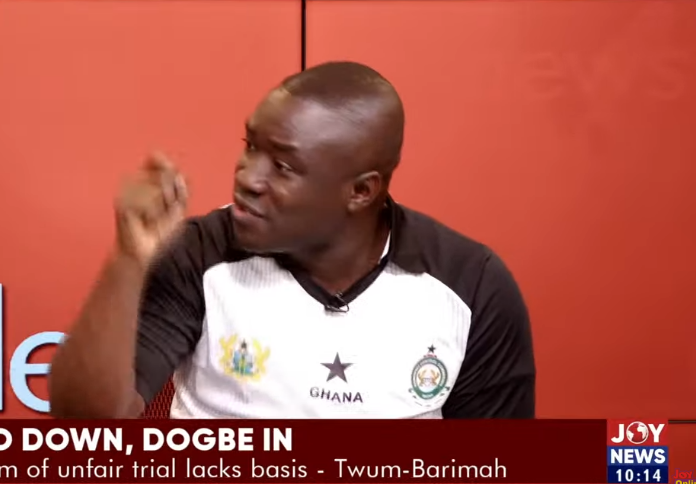
The landscape of judicial governance in Ghana has recently been marked by significant developments, notably the removal of former Chief Justice Gertrude Torkornoo. This unprecedented event, triggered by petitions alleging misconduct, has ignited a fervent debate concerning the adherence to due process and the principles of fair trial within the nation's highest judicial echelons. Amidst the swirling discussions, Alexander Twum-Barimah, the Deputy Director-General of the Narcotics Control Commission (NACOC), has firmly refuted claims by the former Chief Justice that her trial process was unfair, asserting that constitutional procedures were meticulously followed.
This article aims to provide a comprehensive legal analysis of the circumstances surrounding Justice Torkornoo's removal, focusing on the constitutional provisions and procedural requirements. It will critically evaluate the basis of the claims of unfair trial against the backdrop of Ghana's legal framework for judicial accountability. The central thesis is that, despite the gravity and public interest surrounding the removal of a Chief Justice, the constitutional mechanisms in place were activated and largely adhered to, thereby providing a robust legal foundation for the actions taken, even as broader discussions on judicial independence persist.
The implications of this development extend beyond the immediate parties, touching upon the integrity of the judiciary, public confidence in the rule of law, and the delicate balance of powers within Ghana's democratic governance. Understanding the legal nuances of this process is crucial for legal practitioners navigating the evolving terrain of constitutional law and judicial accountability in Ghana.
Background
The removal of a Chief Justice in Ghana is a matter of profound constitutional significance, meticulously governed by Article 146 of the 1992 Constitution. This article establishes a structured, multi-stage process designed to ensure both judicial accountability and the safeguarding of judicial independence. The procedure commences with the submission of a petition to the President, alleging stated misbehaviour, incompetence, or inability to perform duties due to infirmity. Upon receipt, the President is mandated to refer the petition to the Council of State for a prima facie determination. If a prima facie case is established, the President, in consultation with the Judicial Council, constitutes an independent committee to investigate the allegations. This committee, for the removal of a Chief Justice, comprises two Justices of the Supreme Court (one appointed as chairman) and three other persons who are neither members of the Council of State, Parliament, nor lawyers. The committee conducts a thorough inquiry and submits a report with recommendations to the President, who is constitutionally bound to act in accordance with these recommendations.
Beyond the specific provisions of Article 146, the broader principles of fair trial are fundamental to Ghana's legal system, enshrined in the 1992 Constitution. Article 19, though primarily addressing criminal offences, outlines core elements of a fair hearing, including the presumption of innocence, the right to be informed of the nature of the offence, adequate time and facilities for defence, and the right to legal representation. These principles extend to disciplinary proceedings, ensuring that individuals subjected to such processes are afforded natural justice. The right to be heard by a competent, independent, and impartial tribunal, along with the principle of 'equality of arms,' are universally recognised pillars of a fair trial, crucial for maintaining public trust in any adjudicatory process. The Supreme Court has, in various pronouncements, underscored the importance of these principles in upholding the rule of law.
Analysis
The removal of Justice Gertrude Torkornoo as Chief Justice stemmed from a petition by Daniel Ofori, which led to her suspension in April 2025 and subsequent removal in September 2025 by President John Dramani Mahama, acting on the recommendations of a committee constituted under Article 146(6) of the 1992 Constitution. The committee's inquiry concluded that Justice Torkornoo had engaged in "stated misbehaviour" under Article 146(1). Specific findings included the unlawful expenditure of public funds for family travel, abuse of discretionary power in the transfer of a staff member, and interference in judicial appointments.
Justice Torkornoo's claims of an unfair trial, as reported, centred on the need for a right to appeal against a finding of misconduct and for the committee selecting the investigative panel to be an independent body, rather than the President. Additionally, concerns were raised by the former Attorney General, Godfred Yeboah Dame, regarding procedural missteps such as the delayed delivery of petitions and the propriety of the Acting Chief Justice presiding over related applications. These arguments highlight a tension between the strict adherence to constitutional text and the broader aspirations for enhanced procedural fairness and judicial independence.
However, the counter-argument, as articulated by Alexander Twum-Barimah and supported by former MP Inusah Fuseini, posits that Article 146 was strictly followed, and legal experts are largely unanimous that no constitutional violation occurred. The Supreme Court itself upheld Justice Torkornoo's suspension, implicitly validating the procedural steps taken at that stage. Article 146(8) explicitly states that proceedings under the article shall be held in camera, and the Justice or Chairman against whom the petition is made is entitled to be heard in defence by self or by a lawyer of choice. This provision ensures a fundamental aspect of fair hearing, allowing the accused to present their case. The President's role, once the committee makes its recommendations, is mandatory, leaving no discretion in the matter, as stipulated by Article 146(9).
While the constitutional framework provides for a robust process, the debate underscores ongoing discussions about the adequacy of existing procedural rules in judicial disciplinary matters. The Court of Appeal, in a separate but related context concerning the dismissal of a Circuit Court judge, recently advised the Judicial Council to develop detailed procedural rules for its disciplinary committees. This recommendation, while not directly impacting the Chief Justice's removal process, reflects a judicial recognition of the need for greater transparency and established standards for due process in disciplinary proceedings against judges to further safeguard judicial independence. The current framework, however, as applied in Justice Torkornoo's case, appears to have satisfied the explicit constitutional requirements.
Conclusion
The dismissal of claims regarding an unfair trial in the removal of former Chief Justice Gertrude Torkornoo underscores the critical importance of adhering to constitutional provisions governing judicial accountability in Ghana. While the process, anchored in Article 146 of the 1992 Constitution, has been robustly defended as procedurally sound, it has simultaneously ignited vital conversations about the optimal balance between judicial independence and the mechanisms for addressing judicial misconduct. The strict application of Article 146, including the establishment of an investigative committee and the President's mandatory action based on its recommendations, appears to have satisfied the constitutional requirements for such a sensitive undertaking.
For legal practitioners, this episode serves as a potent reminder of the intricate constitutional architecture safeguarding and regulating the judiciary. It highlights the necessity for meticulous adherence to established procedures in any disciplinary action against judicial officers, particularly those at the apex of the judicial hierarchy. Going forward, the ongoing public and legal discourse, including calls for enhanced procedural rules for judicial disciplinary committees, signals a potential for future legislative or administrative reforms aimed at bolstering transparency and further refining the due process guarantees within the judiciary. Practitioners should therefore remain vigilant to these evolving discussions and potential reforms, as they will undoubtedly shape the future landscape of judicial governance and accountability in Ghana.
Citations
- 1.1992 Constitution of Ghana, Article 146
- 2.1992 Constitution of Ghana, Article 19
- 3.1992 Constitution of Ghana, Article 296
How does this affect your business?
Get an AI analysis of this article grounded in your jurisdictions, practice areas, and any policy documents you've uploaded to Wansom.