
Amanga mayi pa mlandu wovulaza m’nzawo ku nkhope
Abstract
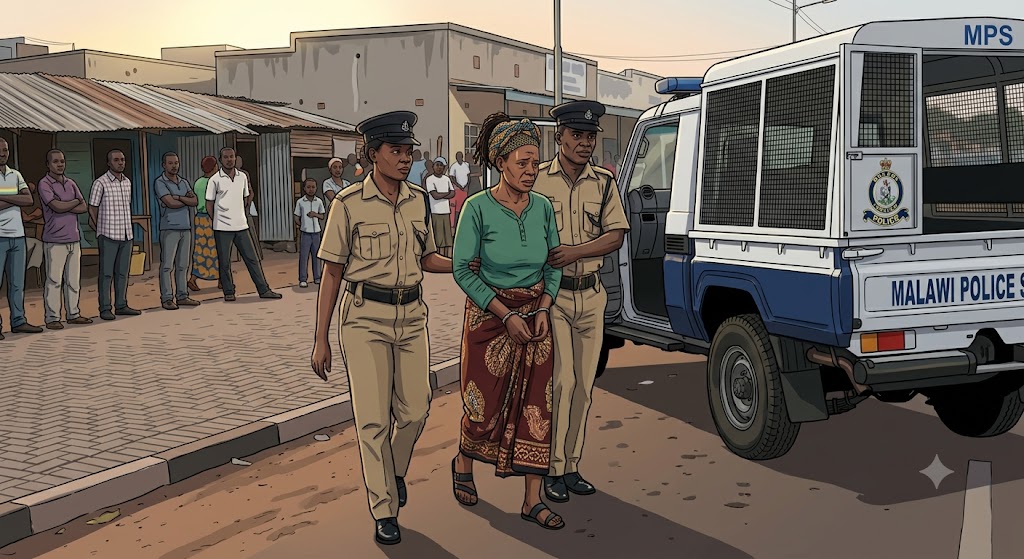
A recent incident in Neno, Malawi, saw the arrest of Grace Samuel, 33, on suspicion of assaulting another woman by pouring hot water on her face. The alleged motive stems from a domestic dispute, with Samuel reportedly suspecting the victim of having an affair with her husband. This case highlights the intersection of criminal law, particularly offences against the person under the Malawi Penal Code, and the pervasive issue of domestic violence in the country. It underscores the legal framework available for addressing such acts, including provisions for grievous harm or unlawful wounding, and the procedural aspects of arrest and potential bail, while also drawing attention to the broader societal challenges of gender-based violence and access to justice in Malawi.
Introduction
The recent arrest of Grace Samuel in Neno, Malawi, for allegedly assaulting another woman by pouring hot water on her face, brings into sharp focus the enduring challenges of domestic disputes escalating into serious criminal offences. The incident, reportedly driven by suspicions of infidelity, is a stark reminder of the deeply personal yet legally significant ramifications of gender-based violence within Malawian communities. This case, currently under police investigation, is poised to navigate the country's criminal justice system, invoking various provisions of the Malawi Penal Code and the Criminal Procedure and Evidence Code.
This article will delve into the legal framework applicable to such an assault, examining potential charges and the elements the prosecution must prove. It will also explore the procedural rights of the accused, including aspects of arrest and bail, and contextualise the incident within Malawi's broader efforts to combat domestic violence. For legal practitioners, this case offers a practical illustration of how personal conflicts translate into criminal liability and the complexities involved in prosecuting and defending such matters in the Malawian legal landscape.
Background
The legal foundation for addressing offences against the person in Malawi is primarily enshrined in the Penal Code, Chapter 7:01 of the Laws of Malawi. This Code categorises various forms of assault, ranging from common assault to more severe offences like unlawful wounding and grievous harm. Specifically, Section 254 addresses assaults occasioning actual bodily harm, while Section 241 deals with unlawful wounding, and Section 238 pertains to causing grievous bodily harm. The severity of the injury inflicted often dictates the specific charge brought by the prosecution, with grievous harm generally referring to serious injury, such as a permanent disfigurement or a life-threatening condition.
Beyond the Penal Code, the Prevention of Domestic Violence Act, Chapter 7:05, enacted in 2006, provides a dedicated legal framework to prevent domestic violence and protect its victims. This Act broadly defines various forms of abuse, including physical abuse, within domestic relationships, and outlines procedures for obtaining protection orders. While the immediate charge against Ms. Samuel would fall under the Penal Code, the underlying motive of a domestic dispute places the incident within the broader ambit of gender-based violence, an issue that Malawi has sought to address through legislative and policy measures, including the National Strategy to Combat Gender-Based Violence.
Criminal procedure in Malawi is governed by the Criminal Procedure and Evidence Code (Act No. 36 of 1967). This Code outlines the processes for arrest, detention, bail, and trial. A fundamental constitutional right, enshrined in Article 42.2b of the Constitution of the Republic of Malawi, mandates that an arrested person must be brought before a court having jurisdiction as soon as practical, but no later than 48 hours after arrest. The Code also provides for police bail for non-capital offences, particularly if the accused cannot be brought before a court within the 48-hour limit.
Analysis
The alleged act of pouring hot water on a person's face, causing injury, would likely lead to charges under the Malawi Penal Code, specifically Section 238 for causing grievous bodily harm or Section 241 for unlawful wounding. Grievous bodily harm implies a serious injury, which burns to the face could certainly constitute, potentially leading to disfigurement or severe pain. Unlawful wounding, while also serious, may apply if the injury is less severe than grievous harm but still involves a break in the skin. The prosecution would need to prove both the act (actus reus) and the intent (mens rea) to cause such harm.
Malawian courts have previously dealt with cases involving similar circumstances. In *Joseph Kungwezu Banda v Republic* (1997), the High Court considered an appeal against a sentence for unlawful wounding under Section 241 of the Penal Code, where the appellant had hit the complainant with a metal bar due to a suspected affair. Similarly, *Chimwemwe Gulumba v The Republic* (2003) involved a conviction for assault occasioning actual bodily harm under Section 254 of the Penal Code. These cases illustrate the judicial approach to such offences, often emphasising the seriousness of bodily harm and the need for deterrent sentences. While provocation is not a defence to grievous bodily harm, it can be considered a mitigating factor during sentencing.
The motive of jealousy stemming from a suspected affair, as reported, while not a legal defence, provides context to the alleged act. However, the law does not condone self-help or violent retaliation, regardless of the perceived wrong. The focus of the criminal proceedings will remain on the unlawful act and the harm caused. The accused, Grace Samuel, will be entitled to legal representation and the right to apply for bail. Given the nature of the alleged offence, bail conditions would be determined by the court, considering factors such as the likelihood of the accused absconding, interfering with witnesses, or committing further offences.
The case also highlights the ongoing struggle against gender-based violence in Malawi. Despite the existence of the Prevention of Domestic Violence Act, incidents like this demonstrate that societal norms and personal disputes continue to fuel violence. The Act aims to provide protection, but its effectiveness is often hampered by a lack of awareness and accessibility, particularly for women in rural areas. The incident serves as a grim reminder of the need for continued efforts in legal empowerment and enforcement to protect vulnerable individuals from domestic abuse.
Sentencing in such cases typically considers the nature and circumstances of the offence, the offender's background, the victim's injuries, and the public interest. Courts aim for sentences that reflect retribution, deterrence, rehabilitation, and isolation. For instance, in *Flora Jeke v The Republic* (2008), the High Court substituted a custodial sentence for unlawful wounding for a woman with a small child, based on mitigating factors and humanitarian grounds, indicating that individual circumstances can influence judicial outcomes.
Conclusion
The arrest of Grace Samuel for allegedly assaulting another woman with hot water underscores the critical role of Malawi's criminal justice system in addressing acts of violence, particularly those arising from domestic disputes. Practitioners should anticipate charges under the Penal Code for grievous bodily harm or unlawful wounding, requiring a thorough understanding of the elements of these offences and the evidential burden on the prosecution. The case serves as a reminder that while personal motives may explain an act, they do not excuse criminal liability, and the focus of the court will be on the unlawful infliction of harm.
Looking ahead, this case will test the application of both the Penal Code and, implicitly, the spirit of the Prevention of Domestic Violence Act. Legal professionals must be prepared to navigate the complexities of criminal procedure, including bail applications and sentencing considerations, which often take into account both the severity of the crime and the individual circumstances of the accused. Beyond the immediate legal proceedings, this incident reinforces the urgent need for continued societal and legal interventions to address gender-based violence, promote peaceful conflict resolution, and ensure that all individuals, especially women, are protected from harm within their communities.
Citations
- 1.Constitution of the Republic of Malawi (1994)
- 2.Criminal Procedure and Evidence Code, Act No. 36 of 1967
- 3.Penal Code, Chapter 7:01 of the Laws of Malawi
- 4.Prevention of Domestic Violence Act, Chapter 7:05 of the Laws of Malawi (2006)
- 5.Joseph Kungwezu Banda v Republic, Criminal Appeal No. 134 of 1996 (High Court of Malawi, Principal Registry, 14 March 1997)
- 6.Chimwemwe Gulumba v The Republic, Miscellaneous Criminal Application Case Number 51 of 2003 (High Court of Malawi, Principal Registry)
- 7.Flora Jeke v The Republic, Crim. Appeal No. 139 of 2008 (HC)(LL)(Unrep)
- 8.Jefrey Zwangeti v The Republic, Confirmation Case Number 245 of 2001 (High Court of Malawi, Principal Registry)
- 9.Francisco Macloud Ngozo v The Republic, Criminal Appeal Case No. 106 of 1996 (High Court of Malawi, Principal Registry)
How does this affect your business?
Get an AI analysis of this article grounded in your jurisdictions, practice areas, and any policy documents you've uploaded to Wansom.