
Atiku calls for probe of Gbajabiamila-Adeyemi scandal, says NASS failed
Abstract
The recent "Gbajabiamila-Adeyemi scandal" has ignited a significant debate in Nigeria concerning public accountability and legislative oversight. Prince Adeniyi Adeyemi, claiming leadership of a purportedly fictitious government agency, accused Femi Gbajabiamila, the Chief of Staff to the President, of bribery, abuse of office, and fraudulent budget practices. While Gbajabiamila has initiated a N10 billion defamation suit and the Presidency dismisses Adeyemi as an impostor facing criminal charges, the National Assembly's appropriation of funds for the alleged fake agency raises critical questions about due diligence and institutional integrity. This article examines the legal implications of these allegations under Nigeria's anti-corruption laws and constitutional provisions for legislative oversight, highlighting the imperative for thorough, independent investigation to uphold public trust and reinforce democratic governance.
Introduction
The Nigerian political landscape is currently grappling with a high-profile controversy dubbed the "Gbajabiamila-Adeyemi scandal," which has cast a spotlight on issues of public sector corruption, accountability, and the efficacy of legislative oversight. At the heart of the matter are serious allegations made by Prince Adeniyi Adeyemi, who claims to be the Director-General of a body he refers to as the Presidential Foreign Intervention Promotion Council (PFIPC). Adeyemi has publicly accused Mr. Femi Gbajabiamila, the Chief of Staff to the President, of demanding and receiving substantial sums as bribes, abusing his office, and engaging in fraudulent budgetary processes. These accusations include claims of demanding 48% of the PFIPC's alleged N27.4 billion take-off grant and receiving N400 million through proxies.
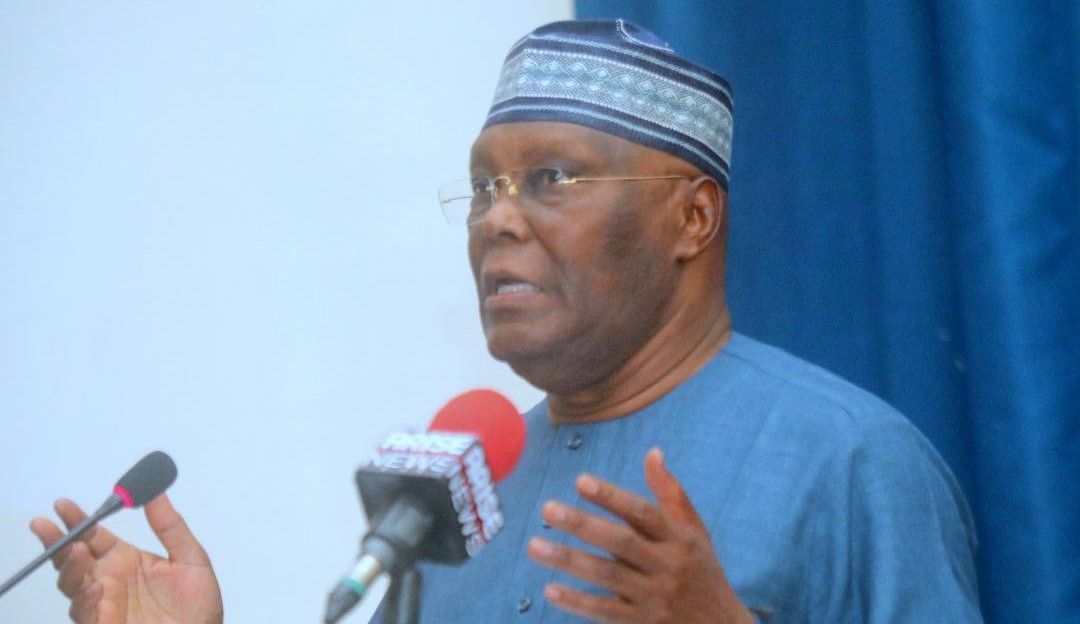
The gravity of these allegations is compounded by the fact that the National Assembly reportedly appropriated N1.3 billion for the PFIPC in the 2026 budget, despite the Presidency's assertion that the agency is fictitious and Adeyemi an impostor already facing criminal charges for forgery and impersonation. The former Vice President, Atiku Abubakar, has since called for an independent probe, emphasizing the public's right to know the truth and lamenting a perceived failure of the National Assembly in its oversight duties. This article delves into the legal framework governing public officer conduct and legislative oversight in Nigeria, analyzing the implications of this scandal for institutional integrity and the rule of law.
Background
The conduct of public officers in Nigeria is primarily governed by the Constitution of the Federal Republic of Nigeria 1999 (as amended), particularly the Code of Conduct for Public Officers enshrined in the Fifth Schedule, Part 1. This Code mandates high ethical standards, prohibiting conflicts of interest, abuse of office, and the acceptance of bribes or gifts. It also requires public officers, including members of the National Assembly and the Chief of Staff to the President, to declare their assets. Breaches of this Code are subject to the jurisdiction of the Code of Conduct Tribunal.
Further legislative instruments designed to combat corruption include the Corrupt Practices and Other Related Offences Act, Cap C31, Laws of the Federation of Nigeria 2004 (ICPC Act), which established the Independent Corrupt Practices and Other Related Offences Commission (ICPC). This Act broadly prohibits various forms of corrupt practices, bribery, fraudulent acquisition of property, and the use of one's office or position for gratification. Similarly, the Economic and Financial Crimes Commission (Establishment) Act, 2004 (EFCC Act) established the Economic and Financial Crimes Commission (EFCC), empowering it to investigate and prosecute economic and financial crimes, including bribery, fraud, and money laundering.
The National Assembly's role in ensuring accountability is underpinned by its constitutional oversight powers. Sections 88 and 89 of the 1999 Constitution (as amended) grant the National Assembly the authority to investigate any matter within its legislative competence, as well as the conduct of affairs of any person or authority charged with executing its laws or administering appropriated funds. These powers are exercisable for the purposes of making laws, correcting defects in existing laws, or exposing corruption, inefficiency, or waste. The Legislative Houses (Powers and Privileges) Act, 2017, further empowers the National Assembly to summon witnesses, demand documents, and outlines offenses related to legislative conduct, including the acceptance of bribes by members, while also granting immunity from litigation for actions taken during plenary or committee proceedings.
Analysis
The allegations against Mr. Gbajabiamila, particularly concerning the demand and receipt of bribes and the abuse of office, directly implicate several provisions of the ICPC Act and the Code of Conduct for Public Officers. Section 19 of the ICPC Act, for instance, criminalizes any public officer who uses their office or position to gratify or confer any corrupt or unfair advantage upon themselves or their associates. Similarly, paragraph 6(1) of the Fifth Schedule to the Constitution explicitly prohibits a public officer from asking for or accepting property or benefits on account of anything done or omitted in the discharge of their duties. If proven, these allegations would constitute serious breaches of public trust and criminal offenses.
The controversy surrounding the PFIPC, described by the Presidency as a fictitious entity, yet for which the National Assembly appropriated N1.3 billion, raises profound questions about the integrity of the budgetary process and legislative oversight. The National Assembly's power to investigate, as outlined in Sections 88 and 89 of the Constitution, is a crucial check on the executive. However, the Senate spokesperson's initial reluctance to intervene, citing the matter being sub judice, while simultaneously stating that NASS would consider a petition, highlights a potential gap in proactive oversight. While the principle of sub judice is important, the legislative duty to expose corruption and inefficiency, particularly in the appropriation of public funds, arguably warrants a parallel legislative inquiry, distinct from criminal proceedings against Adeyemi.
The fact that Prince Adeyemi is already facing criminal charges for forgery and impersonation, including forging Gbajabiamila's signature and presidential letterheads, complicates the narrative. However, the existence of these charges does not automatically absolve the Chief of Staff from the allegations made against him, nor does it fully explain how a purportedly fake agency received budgetary allocation. This situation underscores the need for a multi-faceted approach to investigation, involving not only law enforcement agencies like the EFCC and ICPC but also a robust internal inquiry by the National Assembly into its own budgetary processes and the due diligence exercised by its committees. The Supreme Court has clarified that legislative oversight is not a justification for the legislature to usurp the general investigative functions of the executive or the adjudicative functions of the judiciary, but it remains a vital tool for accountability.
Comparative legal systems often feature strong parliamentary committees with powers to compel testimony and documents, ensuring that allegations of misconduct against high-ranking officials are thoroughly scrutinized. The current scenario in Nigeria, where a key legislative body appears hesitant to initiate an independent probe into a matter directly involving budgetary integrity and a senior executive official, suggests a potential weakness in the institutional checks and balances. The call by Atiku Abubakar for an independent investigation, therefore, resonates with the need for transparency and accountability that transcends political affiliations and ensures public confidence in governance.
Conclusion
The "Gbajabiamila-Adeyemi scandal" presents a critical test for Nigeria's anti-corruption framework and the effectiveness of its democratic institutions. For legal practitioners, this saga underscores the complex interplay between criminal prosecution, civil defamation suits, and legislative oversight in addressing allegations of public sector corruption. The ongoing criminal trial of Prince Adeyemi for forgery and impersonation, alongside Mr. Gbajabiamila's N10 billion defamation suit, highlights the various legal avenues available to parties involved in such disputes. However, the broader public interest demands a comprehensive and transparent investigation into how a non-existent agency could be allocated public funds, irrespective of the outcomes of individual legal battles.
Practitioners should watch for developments in both the criminal proceedings against Adeyemi and the defamation suit, as these will inevitably shape the public discourse and potentially influence future legislative actions. More importantly, the call for an independent probe into the budgetary allocation for the PFIPC and the conduct of all implicated officials remains paramount. A failure by the National Assembly or other relevant anti-corruption agencies to conduct a thorough, impartial investigation risks eroding public trust in government processes and reinforcing perceptions of impunity. Upholding the principles enshrined in the Code of Conduct for Public Officers and the various anti-corruption statutes is not merely a legal obligation but a cornerstone of democratic legitimacy, requiring unwavering commitment from all arms of government.
Citations
- 1.Constitution of the Federal Republic of Nigeria 1999 (as amended)
- 2.Corrupt Practices and Other Related Offences Act, Cap C31, Laws of the Federation of Nigeria 2004
- 3.Economic and Financial Crimes Commission (Establishment) Act, 2004
- 4.Legislative Houses (Powers and Privileges) Act, 2017
- 5.FRN v. Prince Adeniyi Adeyemi Matthew & Ors, Charge No. FHC/ABJ/CR/652/2026
How does this affect your business?
Get an AI analysis of this article grounded in your jurisdictions, practice areas, and any policy documents you've uploaded to Wansom.