
Authority Pins Hope on a Coffee Fund as Trees Grow Old
Abstract
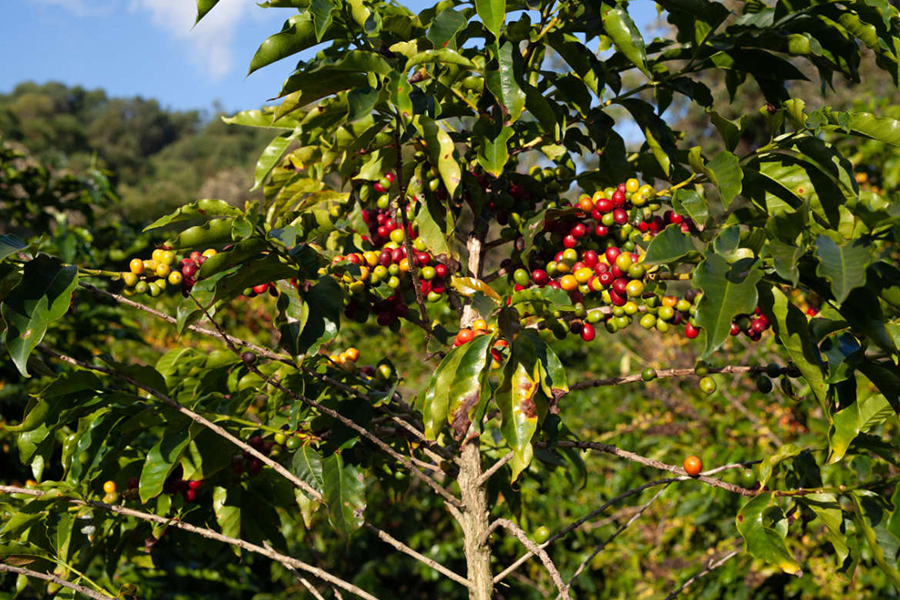
Ethiopia's federal regulators are developing a Coffee Fund aimed at stabilizing prices for growers and exporters and addressing the critical issue of aging coffee trees. With nearly 80% of the country's coffee trees deemed unproductive, and smallholder farmers facing significant financial constraints, the fund is envisioned as an insurance and risk-sharing mechanism. It seeks to cushion the impact of volatile global coffee prices and provide much-needed capital for farm rehabilitation, including stumping and replanting. This initiative is a crucial component of Ethiopia's broader national coffee strategy, which targets a substantial increase in productivity and export earnings by 2031, underscoring the legal and economic imperative to safeguard the nation's most vital export commodity.
Introduction
Ethiopia, the birthplace of Arabica coffee, is embarking on a significant legal and economic initiative to safeguard its most vital export commodity. Federal regulators are in the process of establishing a dedicated Coffee Fund, a strategic intervention designed to shield coffee growers and exporters from the debilitating effects of collapsing global prices and the widespread challenge of aging coffee trees. This development comes at a critical juncture, as an estimated 80% of the country's coffee trees are considered too old to yield optimally, severely impacting productivity and the livelihoods of millions of smallholder farmers.
The proposed fund is not merely a financial instrument but a comprehensive policy response to systemic vulnerabilities within the coffee sector. It aims to act as an insurance and risk-sharing mechanism, providing a crucial safety net when international coffee prices plummet and offering financial support for essential farm rehabilitation efforts, such as stumping and replanting. This move reflects a broader governmental commitment to modernize and enhance the competitiveness of Ethiopia's coffee industry, which is a cornerstone of its agricultural economy and a primary source of foreign exchange earnings.
For legal practitioners, understanding the contours of this emerging fund, its statutory basis, and its interaction with existing regulatory frameworks is paramount. The fund's establishment will necessitate new directives and potentially amendments to current legislation, impacting licensing, export procedures, and financial obligations for all stakeholders in the coffee value chain. This article will delve into the legal and policy landscape underpinning this initiative, examining its potential mechanisms, challenges, and implications for the future of Ethiopia's coffee sector.
Background
The Ethiopian coffee sector operates under a robust regulatory framework primarily overseen by the Ethiopian Coffee and Tea Authority (ECTA). ECTA, established by Council of Ministers Regulation under the mandate of Proclamation No. 364/2008 and currently operating under Proclamation No. 1261/2021, is tasked with supporting, guiding, protecting, and empowering the development of the coffee, tea, and spice industry. A key piece of legislation governing the sector is the Coffee Marketing and Quality Control Proclamation No. 1051/2017, which provides rules for quality control and marketing, applying to all persons involved directly or indirectly in these activities.
Historically, Ethiopia's agricultural policy has sought to balance food security with export earnings, with coffee consistently being a top priority. The government has implemented various reforms, including the establishment of the Ethiopian Commodity Exchange (ECX) to provide an organized platform for coffee transactions, aiming to benefit farmers through better pricing and market access. More recently, the ECTA has introduced stricter capital requirements for coffee exporters under Directive 1106/2025, aiming to professionalize the sector and curb illegal practices. These regulatory measures underscore the government's active role in shaping the coffee market.
The impetus for the Coffee Fund stems from persistent challenges, notably the low productivity caused by an aging tree stock and vulnerability to price fluctuations. Approximately 95% of Ethiopia's coffee is produced by smallholder farmers, who often lack the financial resources to invest in productivity improvements like stumping (cutting back old trees) or replanting, which are crucial for rejuvenating farms. Without such interventions, average coffee yields remain significantly below potential, threatening the long-term sustainability and competitiveness of Ethiopian coffee in the global market.
Analysis
The proposed Coffee Fund represents a significant policy shift, moving beyond traditional market regulation to direct financial intervention aimed at structural issues. Legally, the establishment and operation of such a fund would likely fall under the broad mandate of the Ethiopian Coffee and Tea Authority (ECTA), as outlined in its establishing proclamation and the Coffee Marketing and Quality Control Proclamation No. 1051/2017. The latter already grants the Authority powers related to quality control, marketing, and ensuring fair benefits to producers, which could be interpreted to include mechanisms for price stabilization and productivity enhancement.
Funding mechanisms for the proposed Coffee Fund are expected to be diverse, potentially including contributions from suppliers, exporters, donors, carbon credits, and export levies, with a proposed 10-cent contribution from every coffee export. The imposition of new levies or mandatory contributions would require specific legal instruments, likely new directives or regulations issued by the ECTA or the Ministry of Agriculture, potentially under the authority granted by Proclamation No. 1051/2017 or a new enabling proclamation. Such instruments would need to clearly define the scope, collection mechanisms, and enforcement provisions for these contributions, ensuring transparency and accountability in fund management.
Addressing the issue of aging trees, which account for an estimated 80% of productivity losses, the fund is expected to finance interventions like coffee stumping and the replacement of old trees. This aligns with the broader national coffee strategy launched in July 2026, which aims to more than double coffee production and increase annual export earnings to US$6 billion by 2031 through improved varieties, increased planting density, and enhanced agronomic practices. The legal framework for agricultural extension services, recently liberalized by a new law allowing private companies, cooperatives, and NGOs to provide advisory services, could facilitate the technical implementation of these rehabilitation efforts.
However, the implementation of the fund may face legal and practical challenges. Ensuring equitable access to the fund for the millions of smallholder farmers, who often have limited access to traditional financial services, will be critical. The Cooperative Societies Proclamation No. 985/2016, which governs Ethiopia's extensive network of agricultural cooperatives, could provide a vital channel for fund disbursement and technical support, leveraging the collective strength of these organizations. Furthermore, the fund's design must navigate potential market distortions that could arise from price stabilization mechanisms, ensuring compliance with international trade obligations and domestic competition laws. The recent tightening of export regulations, including increased capital requirements for exporters, indicates a broader trend towards formalization and professionalization, which the fund must complement without creating undue burdens.
Conclusion
The establishment of the Coffee Fund by federal regulators marks a pivotal moment for Ethiopia's coffee sector, signaling a proactive approach to address long-standing challenges of price volatility and declining productivity from aging trees. For legal practitioners advising clients in the Ethiopian coffee value chain, this initiative necessitates close monitoring of new legislative and regulatory instruments that will define the fund's operational modalities, funding sources, and beneficiary criteria. These will likely include detailed directives from the Ethiopian Coffee and Tea Authority, potentially amending or supplementing existing frameworks like the Coffee Marketing and Quality Control Proclamation No. 1051/2017.
Practitioners should prepare to guide growers and exporters on compliance with new levies or contributions, as well as on accessing the fund's rehabilitation and stabilization benefits. The success of the fund will hinge on transparent governance, effective disbursement mechanisms, and its ability to integrate with broader agricultural development policies, including those supporting smallholder farmers and cooperatives under Proclamation No. 985/2016. As Ethiopia strives to double its coffee export earnings by 2031, the legal community must remain vigilant to the evolving regulatory landscape, ensuring that clients are well-positioned to navigate both the opportunities and obligations arising from this critical intervention in the nation's coffee economy.
Citations
- 1.Coffee Marketing and Quality Control Proclamation No. 1051/2017
- 2.Cooperative Societies Proclamation No. 985/2016
- 3.Ethiopian Coffee and Tea Authority Establishment Proclamation No. 1261/2021
- 4.Council of Ministers Regulation under the mandate of Proclamation No. 364/2008
- 5.Directive 1106/2025 (Ethiopian Coffee and Tea Authority)
How does this affect your business?
Get an AI analysis of this article grounded in your jurisdictions, practice areas, and any policy documents you've uploaded to Wansom.