
Brazil Electoral Blackout Blocks Access to Public Data During Elections
Summary
- Brazil's electoral blackout period restricts access to public information on government websites.
- Public agencies must remove names, slogans, symbols, and other elements identifying officials or administrations with offices on the ballot.
- Regulations require websites to retain information covered by Law 12,527/2011, including records of spending and data used to track government programs.
- Individuals may consider filing access-to-information requests under Law 12,527/2011, but the wait may not align with project deadlines.
What Happened
The unavailability of critical data can delay projects or reporting, potentially affecting outcomes and credibility.
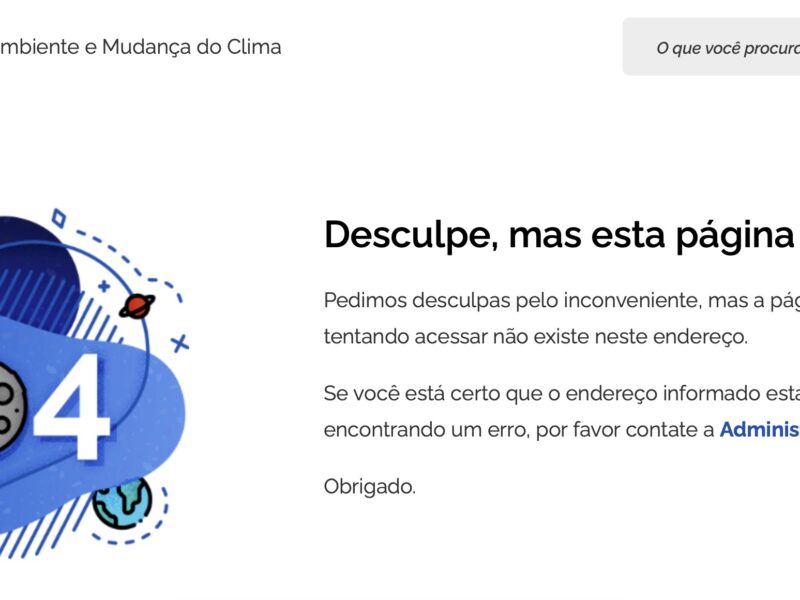
During Brazil's electoral blackout period, government agencies have removed public information from their websites, including scientific records, policy documents, and other relevant data. This has affected researchers, journalists, and individuals relying on these documents for projects or reporting. For instance, Mexican researcher Adriana Dennise Rodríguez Blanco was unable to access the 2024-2035 Climate Plan on the Environment Ministry's website, which displayed a 'restricted content' message. Similarly, environmental analyst Níckolas Castro Santana in Goiânia encountered blocked resolutions issued by the National Committee for Integrated Fire Management, while teacher Amadeusa Correia Batista in Fortaleza found unavailable booklets and materials from the Tourism Ministry and Embratur. These restrictions have forced individuals to rely on alternative sources or copies saved by colleagues, with some considering filing access-to-information requests under Law 12,527/2011.
Legal Context
The electoral blackout period in Brazil is governed by Law 9,504/1997, which requires public agencies to restrict government advertising three months before voting. Regulations issued by the Superior Electoral Court also mandate that websites retain information covered by Law 12,527/2011, including records of spending and data used to track government programs. However, these regulations do not explicitly address how public information should be made available during this period. The Access to Information Law allows agencies up to 20 days to respond to requests, with an additional 10-day extension possible. This has led some individuals to consider filing access-to-information requests, but the wait may not align with project deadlines.
Why It Matters
The restrictions on public information during Brazil's electoral blackout period have significant implications for researchers, journalists, and individuals relying on these documents. The unavailability of critical data can delay projects or reporting, potentially affecting outcomes and credibility. Furthermore, the lack of clarity around how public information should be made available during this period raises concerns about transparency and accountability. As a result, lawyers and compliance officers should be aware of these restrictions and consider alternative sources or filing access-to-information requests to ensure continuity of research, reporting, or projects.
Practical Implications
Lawyers and compliance officers should be aware that the electoral blackout period in Brazil restricts access to public information, which may impact research, reporting, or projects relying on government documents. They should verify if any relevant documents are still available through alternative sources or consider filing an access-to-information request under Law 12,527/2011.
Source
How does this affect your business?
Get an AI analysis of this article grounded in your jurisdictions, practice areas, and any policy documents you've uploaded to Wansom.