
Bright Simons writes on the 320kg meth seizure linked to Ghana
Abstract
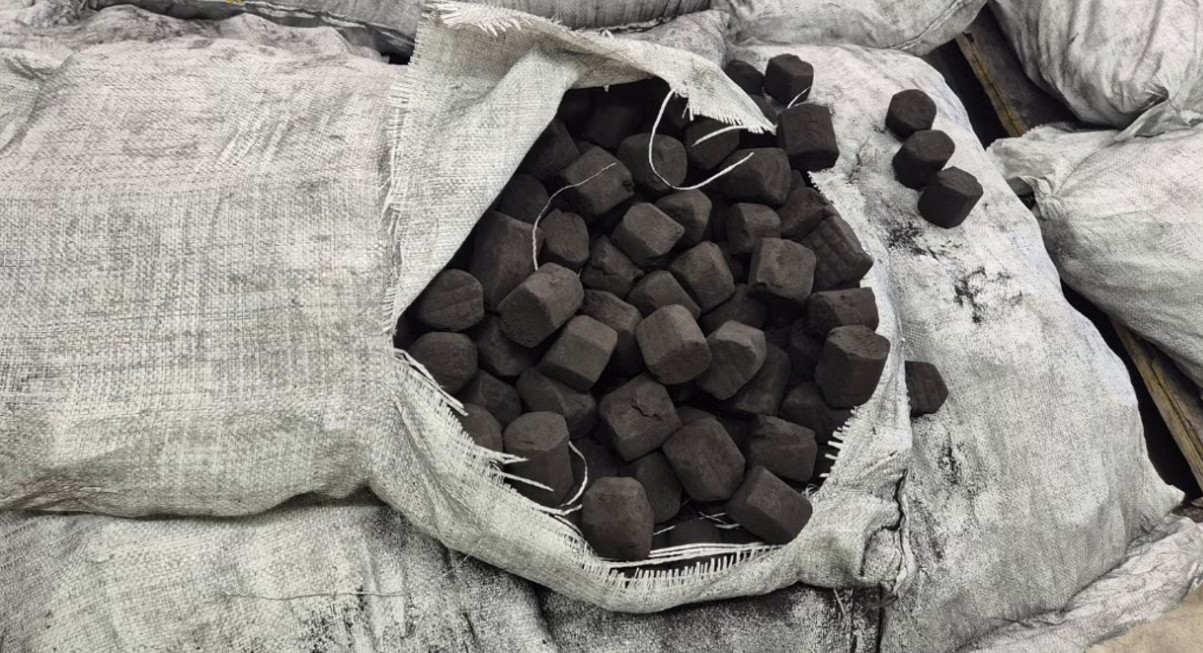
Australian border authorities recently intercepted a significant consignment of 320 kilograms of methamphetamine, with an estimated street value of approximately $210 million, concealed within charcoal shipments originating from Ghana and destined for Port Botany. This major drug seizure highlights the persistent challenges of transnational organized crime and places Ghana under increased scrutiny regarding its export and customs control mechanisms. The incident underscores the critical need for enhanced international cooperation and robust domestic enforcement under Ghana's Narcotics Control Commission Act, 2020 (Act 1019), and Australia's Criminal Code Act 1995 (Cth), to combat illicit drug trafficking and protect national integrity and global trade routes.
Introduction
The recent interception by Australian border police of 320 kilograms of methamphetamine, disguised within charcoal shipments from Ghana and valued at an estimated $210 million, represents a stark reminder of the sophisticated and pervasive nature of transnational organized crime. This substantial seizure at Port Botany not only signifies a significant victory for Australian law enforcement but also casts a shadow over Ghana's efforts to combat illicit drug trafficking and maintain the integrity of its international trade. The incident, which has reportedly led to arrests in Australia, including a British actress and an Adelaide couple, necessitates a thorough examination of the legal frameworks and enforcement mechanisms in both jurisdictions.
This article will delve into the legal implications of this drug bust, exploring the relevant statutes in Ghana and Australia that govern drug trafficking, customs control, and international cooperation. It will analyze the potential charges faced by those implicated and the complexities involved in prosecuting such cross-border crimes. Ultimately, the incident serves as a critical juncture, demanding heightened vigilance and collaborative strategies to safeguard legitimate trade channels from exploitation by criminal syndicates.
Background
Ghana's legal framework for combating narcotic drug offenses is primarily governed by the Narcotics Control Commission Act, 2020 (Act 1019), which repealed the earlier Narcotic Drugs (Control, Enforcement and Sanctions) Law, 1990 (PNDCL 236). Act 1019 established the Narcotics Control Commission (NACOC) as the principal agency responsible for coordinating and enforcing policies against the illicit production, trafficking, possession, and abuse of narcotic drugs. The Act grants NACOC extensive powers of entry, search, arrest, and seizure to interdict narcotics trafficking at various points, including borders, seaports, and airports. Specifically, the importation or exportation of any narcotic drug without lawful authority constitutes a serious offense under the Act. Furthermore, the Customs Act, 2015 (Act 891), empowers the Ghana Revenue Authority's Customs Division to prevent smuggling and seize contraband goods, including narcotics, at entry and exit points.
In Australia, the importation of illicit drugs is primarily governed by the Criminal Code Act 1995 (Cth) and the Customs Act 1901 (Cth). Divisions 300 to 313 of the Criminal Code Act 1995 (Cth) outline serious drug offenses, with specific provisions in Division 307 addressing the importation and exportation of border-controlled drugs. The penalties for these offenses are severe, ranging from substantial imprisonment terms to life imprisonment, depending on the type and quantity of the drug involved, particularly whether it constitutes a 'marketable quantity' or a 'commercial quantity'. The Australian Border Force (ABF), operating under the Australian Border Force Act 2015, is the frontline agency responsible for enforcing these laws at Australia's borders, with powers to conduct searches, surveillance, and enforcement actions.
Analysis
The 320kg methamphetamine seizure triggers potential charges under both Ghanaian and Australian law. In Ghana, individuals involved in the exportation of the illicit consignment, or those found to have facilitated it, could face prosecution under the Narcotics Control Commission Act, 2020 (Act 1019). Section 36 of Act 1019 explicitly prohibits the importation or exportation of narcotic drugs without a license, carrying significant penalties. The involvement of charcoal as a concealment method also raises questions about the due diligence exercised by exporters and freight forwarders, potentially leading to investigations into their compliance with customs regulations under the Customs Act, 2015 (Act 891).
On the Australian side, the individuals arrested, including the British actress and the Adelaide couple, would likely face charges under Division 307 of the Criminal Code Act 1995 (Cth) for importing a commercial quantity of a border-controlled drug. Given the 320kg quantity, this would undoubtedly fall under a 'commercial quantity,' attracting the highest penalties, which can include life imprisonment and substantial fines. The Australian Federal Police (AFP) and Australian Border Force (ABF) would lead the investigation and prosecution, focusing on establishing knowledge, intent, and involvement in the importation.
The complexities of cross-border drug trafficking cases often necessitate robust international cooperation. Both Ghana and Australia are parties to international conventions against illicit drug trafficking, which provide frameworks for mutual legal assistance. While a specific bilateral Mutual Legal Assistance Treaty (MLAT) between Ghana and Australia may not be readily apparent, extradition and mutual legal assistance can be facilitated through the London Scheme for Extradition within the Commonwealth and Australia's Extradition Act 1988, as well as through administrative arrangements. This cooperation is crucial for evidence gathering, intelligence sharing, and potentially extraditing suspects across jurisdictions.
This incident also highlights the vulnerability of legitimate trade channels to exploitation by organized crime. Ghana, like other West African nations, has been identified as a transit point for illicit drugs. The use of seemingly innocuous goods like charcoal for concealment underscores the need for enhanced screening technologies, intelligence-led operations, and strengthened regulatory oversight within Ghana's export sector. The reputational damage to Ghana's export industry could be significant if such incidents are perceived to be recurrent or indicative of systemic weaknesses in control. This necessitates a proactive and transparent response from Ghanaian authorities to demonstrate their commitment to tackling drug trafficking at its source.
Conclusion
The 320kg methamphetamine seizure linked to a Ghanaian charcoal shipment serves as a critical juncture for both Ghana and Australia in their ongoing fight against transnational drug trafficking. For practitioners, this case underscores the severe legal ramifications under both the Narcotics Control Commission Act, 2020 (Act 1019) in Ghana and the Criminal Code Act 1995 (Cth) in Australia, particularly concerning commercial quantities of border-controlled drugs. The involvement of international syndicates necessitates a deep understanding of cross-jurisdictional legal mechanisms, including mutual legal assistance and extradition protocols, which are vital for successful investigations and prosecutions.
Moving forward, legal professionals advising clients involved in international trade, particularly those exporting from regions identified as transit points, must emphasize stringent due diligence and compliance measures. This incident calls for heightened collaboration between Ghanaian and Australian law enforcement agencies, coupled with continuous investment in intelligence sharing and advanced detection technologies. The integrity of global supply chains and the international reputation of trading nations depend on a concerted and unwavering commitment to eradicating the illicit drug trade. All stakeholders must remain vigilant and proactive in adapting to the evolving tactics of organized crime to prevent such egregious abuses of legitimate commerce.
Citations
- 1.Narcotic Control Commission Act, 2020 (Act 1019)
- 2.Narcotic Drugs (Control, Enforcement and Sanctions) Law, 1990 (PNDCL 236)
- 3.Customs Act, 2015 (Act 891)
- 4.Criminal Code Act 1995 (Cth)
- 5.Customs Act 1901 (Cth)
- 6.Australian Border Force Act 2015
- 7.Extradition Act 1988 (Cth)