
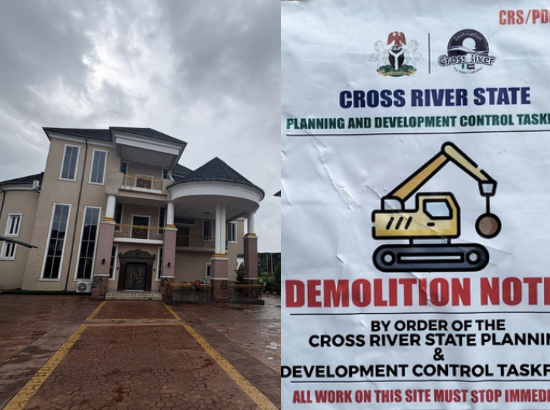
C/River govt marks PDP deputy gov candidate house, others for demolition
Briefly Analysis
The Cross River State Government’s decision to mark the residence of Mr. Alphonsus Eba, the Peoples Democratic Party (PDP) deputy governorship candidate, for demolition has ignited a significant legal and political controversy. The state government cites urban planning and zoning regulations as the basis for this action, while the affected party characterizes the move as a politically motivated act of intimidation. This situation highlights the intersection of administrative law, property rights, and the constitutional protections afforded to citizens against arbitrary state action, particularly in the context of political opposition.
Legally, the state’s power to demolish structures is governed by urban and regional planning laws, which require strict adherence to due process, including the issuance of proper notices and the provision of an opportunity for the property owner to be heard. If the state fails to demonstrate that the property violates specific building codes or zoning ordinances, the affected party may seek an interlocutory injunction to restrain the demolition. The courts have historically been protective of property rights, often requiring the government to prove that the public interest served by the demolition outweighs the individual’s right to peaceful enjoyment of their property under the Constitution of the Federal Republic of Nigeria.
Practitioners should note that cases involving state-led demolitions often hinge on the procedural compliance of the relevant planning authorities. Attorneys representing clients in similar disputes must focus on the administrative record, specifically whether the government followed the statutory notice periods and provided a fair hearing before marking the property. For businesses and individuals, this case serves as a reminder of the importance of maintaining comprehensive land titles and building permits, as these documents form the primary defense against state-led enforcement actions. Monitoring the judicial response to this matter will be crucial for understanding the current judicial appetite for curbing executive overreach in land-use disputes.