
Ghana's Supreme Court Upholds Reasonable Bail Conditions Amid Electronic Tracking Pilot
Summary
- Ghana's courts often impose stringent bail conditions that can prevent accused persons from enjoying their right to bail.
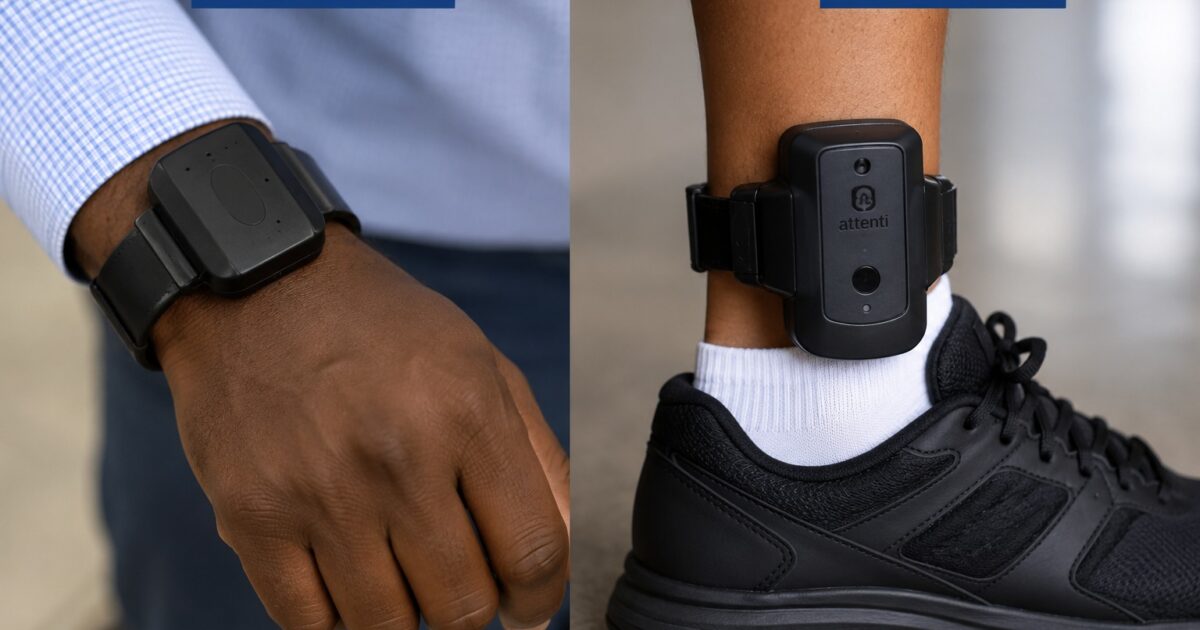
- Electronic tracking bracelets or anklets can monitor an accused person's movements and ensure compliance with bail conditions.
- The Supreme Court has consistently emphasized the importance of protecting personal liberty before conviction.
- Ghana can learn from other countries that have successfully implemented electronic monitoring as part of their bail systems.
- Strong safeguards must exist to protect the information collected and ensure it is used only for its intended purpose.
What Happened
The purpose of bail is simple. It is to ensure that an accused person appears before the court whenever required. It is not intended to punish poverty.
In Ghana, the courts often impose stringent bail conditions that can prevent accused persons from enjoying their right to bail. These conditions include requiring sureties with landed property or substantial assets, which is a significant barrier for many individuals. According to Article 19(2)(c) of the Constitution, a person charged with a crime is presumed innocent until proven guilty, and bail should not become punishment before trial. The purpose of bail is to ensure that an accused person appears in court when required, not to punish poverty. In practice, however, many accused persons remain behind bars due to the impossible conditions imposed by the courts.
The Supreme Court has reinforced the principle that bail is a matter of judicial discretion and should be exercised reasonably. In Martin Kpebu v. Attorney-General, the court emphasized the importance of protecting personal liberty before conviction. Similarly, in Gorman v. Republic, the court reminded judges that bail conditions should not become a disguised refusal of bail.
In recent years, Ghana has been considering alternative approaches to traditional bail conditions. One such approach is the use of electronic tracking bracelets or anklets, which can monitor an accused person's movements and ensure their compliance with bail conditions.
Relevant Legal/Regulatory Context
The Constitution of Ghana provides that a person charged with a crime is presumed innocent until proven guilty. Article 14 protects personal liberty, while Article 19(1) guarantees a fair hearing within a reasonable time. The purpose of bail is to strike a balance between liberty and the administration of justice. Section 96 of the Criminal and Other Offences (Procedure) Act, 1960 (Act 30), outlines the factors that courts consider when granting bail, including whether the accused person is likely to appear for trial or interfere with witnesses.
The Supreme Court has consistently emphasized the importance of protecting personal liberty before conviction. In Martin Kpebu v. Attorney-General, the court reinforced the principle that bail is a matter of judicial discretion and should be exercised reasonably. Similarly, in Gorman v. Republic, the court reminded judges that bail conditions should not become a disguised refusal of bail.
Ghana can learn from other countries that have successfully implemented electronic monitoring as part of their bail systems. The United Kingdom and the United States use GPS and electronic tags to supervise accused persons while preserving their liberty.
Why It Matters
The introduction of electronic tracking bracelets or anklets in Ghana could significantly impact the way bail conditions are imposed. This approach can provide a more lenient alternative to traditional onerous bail conditions, which often prevent accused persons from enjoying their right to bail. Electronic monitoring can work alongside reporting conditions, curfews, travel restrictions, and orders to stay away from certain places or persons.
If implemented carefully, electronic tracking bracelets or anklets could help answer the question of whether an accused person will return to court. This approach would allow courts to supervise accused persons while preserving their liberty, enabling them to remain with family, continue working, and prepare a defense. Strong safeguards must exist to protect the information collected and ensure that it is used only for its intended purpose.
Practical Implications
Lawyers should watch for the potential introduction of electronic tracking bracelets as a more lenient alternative to traditional onerous bail conditions, which could impact their clients' liberty and trial preparation.
Source
How does this affect your business?
Get an AI analysis of this article grounded in your jurisdictions, practice areas, and any policy documents you've uploaded to Wansom.