
Carroll receives payment from Trump
Abstract
E. Jean Carroll has successfully collected over $5.6 million from Donald Trump, representing the damages awarded in her 2023 civil lawsuit for sexual abuse and defamation, plus accrued interest. This significant development follows the U.S. Supreme Court's refusal to hear Trump's appeal, effectively clearing the path for the disbursement of funds held in escrow. The payment marks a critical juncture in the protracted legal battle, underscoring the enforceability of civil judgments against high-profile individuals. Concurrently, Supreme Court Justices Elena Kagan and Amy Coney Barrett recently testified before Congress, advocating for increased security funding amidst a documented rise in threats against federal judges, highlighting broader concerns about judicial safety and the integrity of the legal process.
Introduction
In a significant legal development, E. Jean Carroll, the acclaimed writer, has received over $5.6 million in damages from former President Donald Trump. This payment stems from a May 2023 civil judgment where a jury found Trump liable for sexually abusing and defaming Carroll. The disbursement, which includes the original $5 million award plus accrued interest, marks the culmination of a multi-year legal battle and a recent decision by the U.S. Supreme Court to decline Trump's appeal, thereby allowing the judgment to stand.
This event carries substantial implications for the enforcement of civil judgments, particularly in cases involving public figures, and for the broader landscape of defamation and sexual abuse litigation. It underscores the judiciary's role in upholding verdicts despite persistent appeals. Separately, but relevant to the overall health and security of the judicial system, Supreme Court Justices Elena Kagan and Amy Coney Barrett recently made a rare appearance before Congress to address escalating threats against federal judges and advocate for enhanced security measures. This article will delve into the specifics of Carroll's payment, the legal journey that led to it, and briefly touch upon the pressing concerns regarding judicial security.
Background
The legal saga between E. Jean Carroll and Donald Trump commenced in November 2019, when Carroll filed her first defamation lawsuit (referred to as Carroll I) after Trump publicly denied her accusation of sexual assault. The alleged incident occurred in a Bergdorf Goodman department store in Manhattan in the mid-1990s. Trump's denials, made during his presidency, formed the basis of Carroll's claims.
A second lawsuit (Carroll II) was initiated in November 2022, leveraging New York's Adult Survivors Act, which temporarily lifted the statute of limitations for sexual assault claims. This suit included claims of battery and renewed defamation. In May 2023, a jury in the U.S. District Court for the Southern District of New York, presided over by Judge Lewis A. Kaplan, found Trump liable for sexually abusing Carroll and defaming her, awarding her $5 million in damages. This verdict was subsequently upheld on appeal, with the U.S. Supreme Court declining to hear Trump's further appeal on June 29, 2026.
Following the 2023 verdict, Trump deposited the $5 million award, along with accrued interest, into a court-controlled escrow account pending the outcome of his appeals. This mechanism ensured the funds were secured while the appellate process unfolded. Despite the Supreme Court's refusal to intervene, Trump's legal team made a last-minute attempt to block the payment, which was denied by Judge Kaplan, paving the way for the funds' release.
Analysis
The successful collection of damages by E. Jean Carroll underscores the principle of judgment enforcement, even against defendants with significant resources and a propensity for protracted litigation. The funds, totaling $5,625,005.48, represent the original jury award plus interest accrued over three years while the money was held in escrow. This mechanism of holding funds in escrow during appeals is a standard practice designed to protect the judgment creditor's interests and ensure that damages are available once all avenues of appeal are exhausted. The Supreme Court's decision to deny certiorari without comment effectively ended Trump's ability to further appeal the 2023 verdict, solidifying Carroll's right to the awarded sum.
This case also highlights the complexities of litigating against former public officials, particularly concerning claims of presidential immunity. While Trump's legal team attempted to invoke such immunity in related proceedings, the Second Circuit Court of Appeals rejected these arguments, affirming that presidential immunity can be waived and was indeed waived in this context. This ruling reinforces the notion that even high-ranking officials are not entirely shielded from civil liability for actions deemed outside the scope of their official duties. It sets a precedent for future cases involving similar claims against public figures.
It is crucial to note that this payment pertains only to the first judgment (Carroll II). A separate, larger judgment of $83.3 million was awarded to Carroll in January 2024 (Carroll I) for additional defamatory statements made by Trump. Trump has also appealed this second verdict, and those appeals are ongoing. The legal strategies employed by both sides in these cases, particularly regarding the admissibility of evidence under Federal Rule of Evidence 415 concerning prior sexual assault allegations, have been closely watched by legal practitioners.
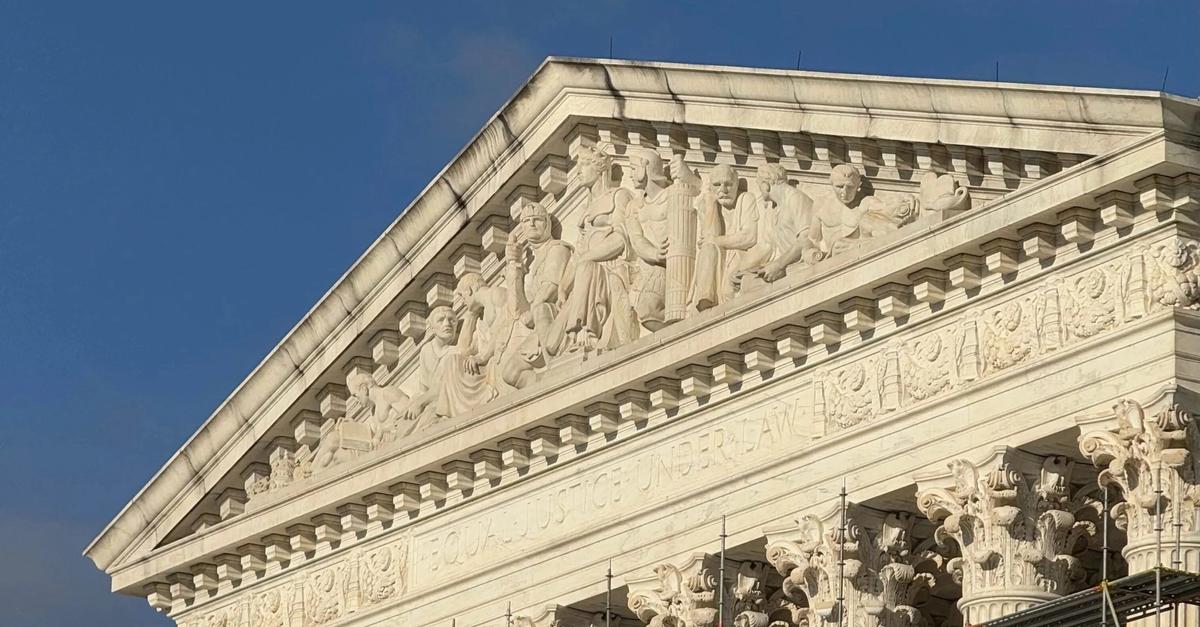
In a broader context, the excerpt also mentions Justices Kagan and Barrett's testimony before Congress regarding court security. Their rare appearance highlighted a concerning trend of increasing threats against federal judges, with Justice Kagan noting a projected 38% increase in threats this year. Justice Barrett shared personal experiences, including a 'swatting' attempt and being issued a bulletproof vest, underscoring the tangible dangers faced by the judiciary. While distinct from the Carroll case, these concerns speak to the broader challenges facing the U.S. legal system in maintaining the safety and independence of its judicial officers, which is paramount for the effective administration of justice and the enforcement of judgments like Carroll's.
Conclusion
The successful collection of over $5.6 million by E. Jean Carroll from Donald Trump serves as a powerful affirmation of the rule of law and the efficacy of the civil justice system in enforcing judgments, even against formidable opposition. For practitioners, this case provides a valuable illustration of judgment enforcement mechanisms, the appellate process, and the enduring challenges of litigating high-profile defamation and sexual abuse claims. It reinforces the importance of securing judgments through escrow accounts during lengthy appeals and highlights the judiciary's commitment to ensuring that verdicts are ultimately honored.
Looking ahead, legal professionals should closely monitor the ongoing appeals concerning the separate $83.3 million defamation judgment in *Carroll I*, as further rulings will continue to shape the legal landscape for public figures and defamation law. The concurrent discussions on judicial security, as articulated by Justices Kagan and Barrett, also warrant attention. The increasing threats against judges pose a significant challenge to the integrity and independence of the judiciary, and any legislative or procedural responses to these concerns will have broad implications for the legal profession and the administration of justice in the United States.
Citations
- 1.E. Jean Carroll v. Donald J. Trump, 20-cv-07311 (S.D.N.Y.)
- 2.E. Jean Carroll v. Donald J. Trump, 22-cv-10016 (S.D.N.Y.)
- 3.Carroll v. Trump, No. 23-793 (2d Cir. 2024)
- 4.Adult Survivors Act, New York Civil Practice Law and Rules § 214-g (2022)
- 5.Federal Rules of Evidence, Rule 415
How does this affect your business?
Get an AI analysis of this article grounded in your jurisdictions, practice areas, and any policy documents you've uploaded to Wansom.