
Court Halts Disciplinary Action Against Immigration Officer” — Bars Dismissal, Harassment And Exclusion From Promotion Exam Pending Suit
Abstract
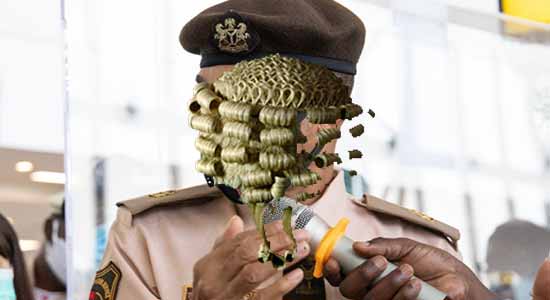
The National Industrial Court of Nigeria (NICN) recently issued an interim injunction in Suit No. NICN/ABJ/235/2026, restraining the Nigeria Immigration Service (NIS) and other defendants from implementing disciplinary recommendations, including dismissal, harassment, and exclusion from a promotion examination, against one of its officers, Dr. Badiru Adeyemi Oluwafemi. This order, granted pending the determination of a substantive suit, underscores the NICN's robust jurisdiction in employment and labour matters, particularly concerning public service employees whose engagements are imbued with statutory flavour. The decision highlights the judiciary's role in safeguarding the fundamental right to fair hearing and due process in administrative disciplinary actions within the Nigerian public sector.
Introduction
In a significant development for public service employment law in Nigeria, the National Industrial Court of Nigeria (NICN), sitting in Abuja, has granted an interim injunction halting disciplinary proceedings against an officer of the Nigeria Immigration Service (NIS). Justice E.D. Subilim, in Suit No. NICN/ABJ/235/2026, issued an order on July 12, 2026, restraining the NIS, its Comptroller-General, the Civil Defence, Correctional, Fire and Immigration Services Board, and other defendants from implementing disciplinary recommendations against Dr. Badiru Adeyemi Oluwafemi. The recommendations, which arose from a Senior Staff Disciplinary Committee meeting held between June 23 and June 25, 2026, included potential dismissal, harassment, and exclusion from the 2026 promotion examination.
This interim order, granted following an ex parte application filed by Dr. Oluwafemi on June 29, 2026, is a crucial intervention aimed at preserving the status quo pending the full determination of the substantive suit. The court found that the claimant had established a prima facie case warranting the grant of interim relief in the interest of justice. The decision reinforces the NICN's pivotal role as a specialized court with exclusive jurisdiction over labour and employment matters, particularly in upholding the principles of fair hearing and due process in public sector employment, which are often governed by specific statutory provisions and rules.
The case serves as a timely reminder to public institutions of the imperative to adhere strictly to established disciplinary procedures and constitutional guarantees of fair hearing, even in the face of alleged misconduct. For legal practitioners, it highlights the strategic importance of interim injunctions in protecting employees' rights against potentially arbitrary or procedurally flawed disciplinary actions, thereby preventing irreparable harm before a substantive review can occur.
Background
The National Industrial Court of Nigeria (NICN) is a superior court of record established with exclusive jurisdiction over civil causes and matters relating to labour, employment, trade unions, and industrial relations. Its jurisdiction, significantly expanded by the Third Alteration to the 1999 Constitution, covers all aspects of employer-employee relationships, including disputes arising from workplace conditions, welfare, and disciplinary actions in both public and private sectors. This specialized mandate ensures that employment disputes are adjudicated by a court with the requisite expertise, departing from the previous concurrent jurisdiction with the High Courts.
Public service employment in Nigeria is primarily governed by the Public Service Rules (PSR), which provide a comprehensive framework for the engagement, conduct, and discipline of public servants. These rules detail the procedures for handling various categories of misconduct, ranging from general inefficiency to serious misconduct, and prescribe corresponding disciplinary measures. Strict adherence to these rules is mandatory for public employers, as employment with statutory flavour demands compliance with laid-down procedures, unlike ordinary master-servant relationships where remedies are largely limited to damages.
A cornerstone of administrative justice in Nigerian employment law, particularly in public bodies, is the constitutional guarantee of fair hearing enshrined in Section 36 of the Constitution of the Federal Republic of Nigeria 1999 (as altered). This right mandates that every person whose civil rights and obligations are to be determined must be given a fair hearing within a reasonable time by an impartial tribunal. In the context of disciplinary proceedings, fair hearing encompasses principles such as adequate notice of allegations, an opportunity to be heard, and the absence of bias. Interim injunctions, such as the one granted in Dr. Oluwafemi's case, are temporary court orders issued, often ex parte, to preserve the status quo and prevent irreparable damage or harm pending the determination of an interlocutory application or the substantive suit. They are typically granted in situations of urgency where there is a serious question to be tried and the balance of convenience favours the applicant.
Analysis
The NICN's decision to grant an interim injunction in *Dr. Badiru Adeyemi Oluwafemi v. Nigeria Immigration Service & Ors.* (Suit No. NICN/ABJ/235/2026) exemplifies the court's commitment to upholding procedural fairness in public service disciplinary actions. The grant of an interim injunction is a discretionary equitable remedy, requiring the applicant to demonstrate a legal right that is threatened, a serious question to be tried, and that the balance of convenience lies in their favour, with damages being an inadequate compensation for the potential injury. Justice Subilim's finding that Dr. Oluwafemi had established a prima facie case indicates that the court perceived a plausible challenge to the disciplinary recommendations, suggesting potential irregularities in the process.
This case underscores the unique nature of public service employment in Nigeria, often described as having "statutory flavour." Unlike private sector employment, where contractual terms largely govern the relationship, public sector employment is heavily regulated by statutes and rules, such as the Public Service Rules and the Immigration Act. Consequently, any disciplinary action must strictly comply with these statutory provisions and the constitutional right to fair hearing. The NICN, through its exclusive jurisdiction, acts as a crucial check against arbitrary or procedurally deficient disciplinary measures by public employers.
The interim injunction specifically bars dismissal, harassment, and exclusion from a promotion exam. This comprehensive relief highlights the potential for significant and irreversible harm that could befall an officer if the disciplinary process were allowed to proceed unchecked before a full judicial review. Harassment and exclusion from promotion examinations, while not outright dismissal, can severely prejudice an officer's career and psychological well-being, justifying the court's intervention to maintain the status quo.
Furthermore, the decision implicitly addresses the recurring patterns of administrative injustice in Nigerian employment law, where disciplinary machinery sometimes falls short of natural justice principles, such as denial of notice, inadequate particulars of allegations, or biased panels. By restraining the implementation of the disciplinary recommendations, the NICN provides an opportunity to scrutinize whether the Senior Staff Disciplinary Committee adhered to the Public Service Rules and the constitutional right to fair hearing. This aligns with international best practices that emphasize fairness, transparency, and timely resolution in disciplinary procedures within public service.
It is also pertinent to note the inapplicability of the Public Officers Protection Act (POPA) to employment claims before the NICN. While POPA generally provides a three-month limitation period for actions against public officers, the Supreme Court and the NICN have consistently held that this Act does not apply to contracts of service or employment-related disputes. This judicial stance ensures that public servants are not unduly prejudiced by the short limitation period when seeking redress for grievances arising from their employment, thereby reinforcing the NICN's role in protecting their rights.
Conclusion
The interim injunction granted by the National Industrial Court of Nigeria in *Dr. Badiru Adeyemi Oluwafemi v. Nigeria Immigration Service & Ors.* serves as a critical affirmation of due process and fair hearing rights for public servants in Nigeria. For legal practitioners representing public sector employees, this case reinforces the strategic importance of seeking timely judicial intervention, particularly interim injunctions, to prevent irreversible harm such as dismissal or career stagnation, where there are arguable grounds of procedural impropriety or breach of statutory provisions in disciplinary actions. It underscores the NICN's willingness to exercise its equitable powers to protect employees from potentially arbitrary actions by their employers, especially when employment is imbued with statutory flavour.
Conversely, public institutions, including the Nigeria Immigration Service and other government agencies, are reminded of the absolute necessity to meticulously adhere to the Public Service Rules, relevant enabling statutes, and constitutional provisions on fair hearing when conducting disciplinary proceedings. Failure to do so exposes them to legal challenges and judicial restraints, potentially prolonging disputes and undermining institutional integrity. Practitioners advising public sector employers should emphasize the need for robust, transparent, and procedurally sound disciplinary frameworks. The eventual outcome of the substantive suit will be keenly watched, as it will likely provide further jurisprudential clarity on the boundaries of disciplinary powers and the extent of protection afforded to public officers in Nigeria.
Citations
- 1.Constitution of the Federal Republic of Nigeria 1999 (as altered), Section 36
- 2.National Industrial Court Act 2006
- 3.Public Service Rules (Nigeria)
- 4.Immigration Act 2015
- 5.Public Officers Protection Act, Cap P41, Laws of the Federation of Nigeria 2004
- 6.Suit No. NICN/ABJ/235/2026, Dr. Badiru Adeyemi Oluwafemi v. Nigeria Immigration Service & Ors. (National Industrial Court of Nigeria, Abuja, July 12, 2026)
- 7.The Nigeria Lawyer, "Court Halts Disciplinary Action Against Immigration Officer” — Bars Dismissal, Harassment And Exclusion From Promotion Exam Pending Suit" (July 12, 2026)
- 8.The Guardian Nigeria, "Court restrains Immigration Service from acting on disciplinary recommendations against officer" (July 12, 2026)
- 9.Igwe Ajanwachuku, "ADMINISTRATIVE INJUSTICE IN NIGERIAN EMPLOYMENT LAW: THE ROLE OF FAIR HEARING IN DISCIPLINARY PROCEDURES" African Journal of Legal Research (2023)
- 10.Nancy Nzom, "Administrative Injustice in Nigerian Employment Law: The Role of Fair Hearing in Disciplinary Procedure" (2023)
- 11.National Industrial Court of Nigeria Website, "Jurisdiction" (Accessed July 13, 2026)
- 12.SSR Publisher, "An Appraisal of the Jurisdiction and Powers of the National Industrial Court of Nigeria" (August 6, 2025)
- 13.SabiLaw, "Public Service Rules" (Accessed July 13, 2026)
- 14.Office of the Accountant-General of the Federation, "Public Service Rules 2008 Edition" (Accessed July 13, 2026)
- 15.RSIS International, "Application of the Law in Relation to Public Officers and Public Authorities in Nigeria: The Public Officers Protection Act (POPA) Revisited" (September 18, 2025)
- 16.Mondaq, "The Role Of Injunctions In The Nigerian Judicial System" (August 8, 2024)
- 17.Storyblok, "THE JURISDICTION OF THE NATIONAL INDUSTRIAL COURT OF NIGERIA AND FINALITY OF ITS JUDGMENTS" (Accessed July 13, 2026)
- 18.DLR Journal - Delsu Law Review, "Dead End of Public Officers Protection Act in a Contract of Service: Respite for Employees in Nigeria?" (Accessed July 13, 2026)
- 19.The Legal Standpoint, "LSP109: Public Officers Protection Act" (April 20, 2023)
- 20.Trending, "Public Officer Protection Act No longer Applicable to Employment Claims---Industrial Court Rules" (July 10, 2019)
- 21.Magaji Shuwa, "Disciplinary Procedure in the Public Service of Nigeria: An International Perspective" Prezi (April 2, 2026)
- 22.CELSIR, "Fair Hearing in Nigeria: Why the Law and Reality Don't Match" (February 2, 2026)
- 23.IDEAS/RePEc, "Understanding the Nigerian Public Service Rules" (Accessed July 13, 2026)
- 24.National Industrial Court of Nigeria Civil Procedure Rules 2017, Order 22
- 25.National Judicial Institute, "INTERIM ORDERS AND GUIDING PRINCIPLES A PAPER PRESENTED BY: HON. JUSTICE NKEREUWEM MARTIN OBOT OF AKWA IBOM STATE JUDICIARY AT T" (Accessed July 13, 2026)
- 26.Mo's blog, "INJUNCTIONS" (February 1, 2021)
- 27.YouTube, "DRAFT - INTERIM INJUNCTION & INTERLOCUTORY INJUNCTION - CIVIL LITIGATION - NIGERIAN LAW SCHOOL" (September 12, 2024)
- 28.NCSBN, "Board Action" (Accessed July 13, 2026)
- 29.Cornell Law School, "29 CFR § 1400.735-60 - Disciplinary actions." (Accessed July 13, 2026)
- 30.Department of Corrections and Community Supervision, "DIRECTIVE Standards Behavior & Allowances I. STANDARDS OF BEHAVIOR - POLICY AND APPLICABILITY" (February 18, 2025)
- 31.Articles, "Disciplinary Procedures and Grievance Management in the Nigerian Civil Service: An Appraisal" (Accessed July 13, 2026)
- 32.Mondaq, "An Appraisal Of The Extent Of The Protection Offered By The Public Officers Protection Act, 2004: Co-Defendant's Rights In View" (May 28, 2024)
- 33.Nwazuoke, A. & Igwe, C.A. (2017). Appraisal of the Jurisdictional Regime of the National Industrial Court of Nigeria. Ebonyi State University Law Journal, 8(1), 1-26.
How does this affect your business?
Get an AI analysis of this article grounded in your jurisdictions, practice areas, and any policy documents you've uploaded to Wansom.