
Court of Appeals Rejects Donald Trump's Appeal
Abstract
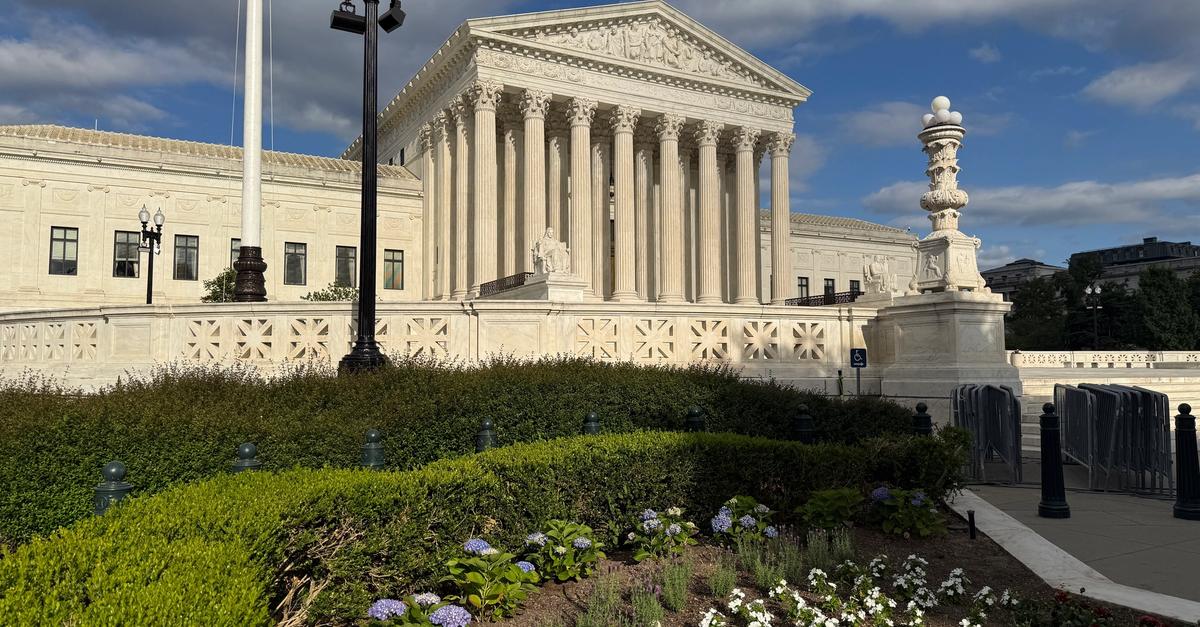
The Supreme Court of the United States recently announced its order list, adding six new cases to its argument docket for the upcoming 2026-27 term. Among these new grants of certiorari is a significant dispute concerning the requirement of proof of citizenship to vote, signaling the Court's continued engagement with fundamental electoral issues. Concurrently, the Court declined to hear former President Donald Trump's appeal of a $5 million judgment against him in the defamation and sexual abuse lawsuit brought by E. Jean Carroll. This denial effectively upholds the Second Circuit's affirmation of the jury verdict, bringing a definitive end to that high-profile litigation at the federal level and underscoring the Court's discretionary power in selecting cases for review.
Introduction
In a parallel and equally significant development, the Court declined to grant certiorari in the high-profile appeal brought by former President Donald Trump, seeking to overturn a $5 million judgment awarded to E. Jean Carroll. This refusal to intervene means the Second Circuit's decision, which upheld the jury's findings of sexual abuse and defamation, stands as the final word on the matter at the federal level. These twin announcements highlight the Supreme Court's dual role: as the ultimate arbiter bringing finality to contentious disputes and as a gatekeeper, carefully selecting the cases that will define the legal landscape for years to come.
Background
A jury in 2023 found Trump liable for sexually abusing Carroll and for defaming her through a 2022 social media post, awarding her $5 million in damages. Trump subsequently appealed this verdict to the U.S. Court of Appeals for the Second Circuit. The Second Circuit upheld the jury's findings and the monetary award, later declining to reconsider the case en banc. Following this appellate defeat, Trump petitioned the Supreme Court in November 2025, urging the justices to review the Second Circuit's decision. His petition emphasized various legal arguments, though the specific grounds for his appeal were not detailed in the immediate announcement.
Analysis
The Court's selective process in granting certiorari demonstrates its role in shaping the national legal agenda. By declining to revisit the *Carroll* judgment, the Court implicitly endorsed the lower courts' application of existing law to the facts presented. Conversely, by accepting cases like the voting rights dispute, the Court signals its intent to provide definitive guidance on areas of law that may be unsettled or require further interpretation. This dual function ensures that while some legal questions are put to rest, others are brought to the forefront for comprehensive judicial review.
Conclusion
Furthermore, the addition of six new cases, particularly the dispute concerning proof of citizenship to vote, signals significant developments on the horizon for the 2026-27 term. Practitioners specializing in constitutional law, election law, and civil rights should closely monitor these newly granted cases. Understanding the nuances of these upcoming arguments will be crucial for advising clients, anticipating legal shifts, and preparing for potential impacts on legislative and regulatory frameworks. The Court's choices underscore its enduring role in defining the contours of American law and governance.
Citations
- 1.Carroll v. Trump, 80 F.4th 109 (2d Cir. 2023)
- 2.New York Adult Survivors Act, 2022 N.Y. Laws Ch. 821
How does this affect your business?
Get an AI analysis of this article grounded in your jurisdictions, practice areas, and any policy documents you've uploaded to Wansom.