
Declare Atewa a national park now! — Eco-Conscious Citizens
Abstract
Environmental advocacy organisations in Ghana have renewed urgent calls for the Atewa Forest Reserve to be elevated to national park status. This plea underscores mounting concerns over the forest's continued degradation, which poses severe threats to Ghana's water security, rich biodiversity, and climate resilience. The legal reclassification from a Forest Reserve to a National Park would significantly enhance its protection under Ghanaian law, providing a more robust shield against destructive activities like mining and illegal logging. This development comes amidst a strengthened national environmental legal framework, including the recently enacted Wildlife Resources Management Act, 2024 (Act 1115) and the Environmental Protection Act, 2025 (Act 1124), which provide a contemporary basis for such a protective upgrade.
Introduction
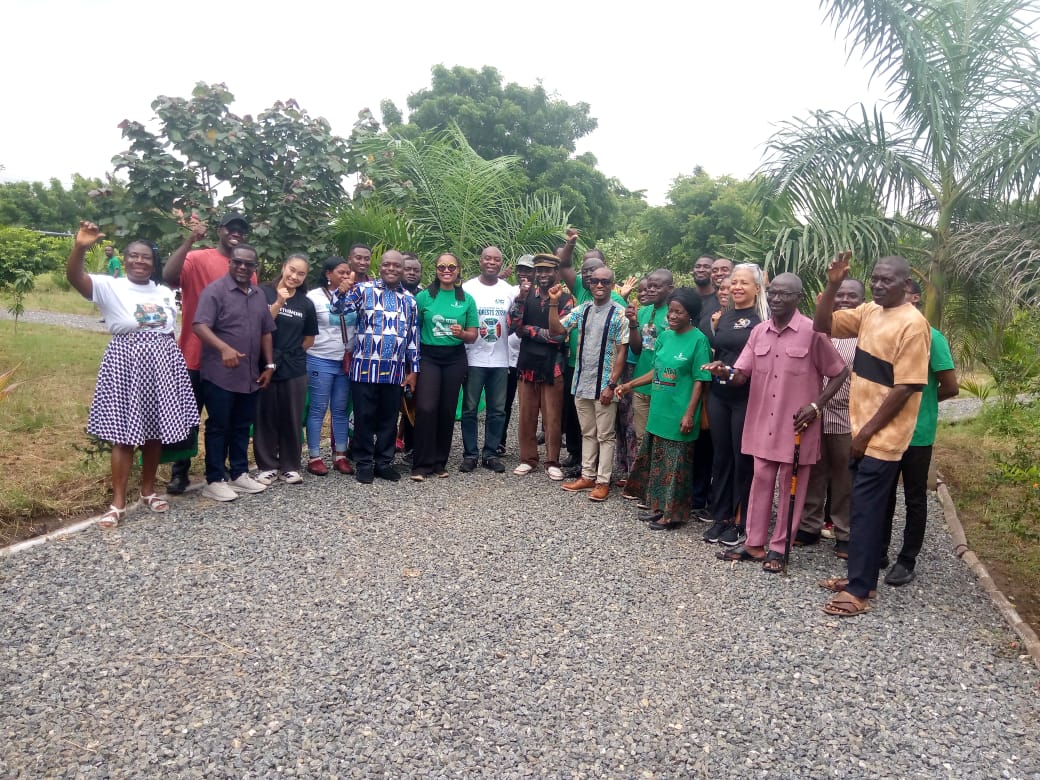
Eco-Conscious Citizens, supported by the Concerned Citizens of Atewa Landscape, have launched the "Atewa Matters" campaign, intensifying calls for the Ghanaian government to declare the Atewa Forest Reserve a national park. This renewed advocacy highlights the critical ecological importance of Atewa, which serves as the source of three major rivers—the Birim, Densu, and Ayensu—supplying water to over five million people. Despite its designation as a Forest Reserve over a century ago and its recognition as a Globally Significant Biodiversity Area (GSBA), the forest continues to face severe threats from illegal mining, logging, and encroachment.
The push for national park status is not merely an environmental appeal but a call for enhanced legal protection under Ghana's evolving environmental governance framework. The current legal status of a Forest Reserve, established by Executive Instrument, offers less stringent safeguards compared to a National Park, which requires a Legislative Instrument and parliamentary approval. This article examines the legal distinctions between these classifications, the implications of such an upgrade, and the contemporary legal landscape in Ghana that supports this critical conservation initiative.
Background
Ghana's legal framework for environmental and forest protection has undergone significant evolution. Historically, the Wild Animals Preservation Act, 1961 (Act 43), and the Environmental Protection Agency Act, 1994 (Act 490), formed the bedrock of environmental governance. However, these statutes have recently been updated to address contemporary challenges and align with international best practices. The Environmental Protection Act, 2025 (Act 1124), assented to on January 6, 2025, repealed and replaced the 1994 Act, establishing the Environmental Protection Authority (EPA) and consolidating laws related to environmental protection, including climate change responses. Similarly, the Wildlife Resources Management Act, 2024 (Act 1115), assented to on March 1, 2024, repealed the Wild Animals Preservation Act, 1961, and related regulations, providing a comprehensive framework for wildlife and protected areas management.
The Atewa Forest Reserve itself holds multiple designations, including a Special Biological Protection Area (1994), a Hill Sanctuary (1995), and a Globally Significant Biodiversity Area (1999). These designations underscore its ecological value but have not fully insulated it from threats. The Ghana Forest and Wildlife Policy, 2012, explicitly aims for the conservation and sustainable development of forest and wildlife resources, emphasizing environmental stability, biodiversity conservation, and community participation. Crucially, Article 36(9) of the 1992 Constitution of Ghana mandates the State to ensure environmental preservation for future generations, while Article 41(k) places a duty on every citizen to protect the environment.
Analysis
The core of the advocacy for Atewa's reclassification lies in the differing legal protections afforded to a "Forest Reserve" versus a "National Park" under Ghanaian law. Forest Reserves are typically established by Executive Instruments, which do not require parliamentary approval, and are primarily managed by the Forest Services Division of the Forestry Commission for sustainable timber production and protection. While mining in forest reserves is generally prohibited, there have been historical attempts and legislative instruments, such as the now-repealed L.I. 2462, that sought to open up such areas, including GSBAs, to mining activities.
In contrast, National Parks and other Wildlife Protected Areas (WPAs) are established through Legislative Instruments, necessitating parliamentary consideration and approval. This higher legislative threshold provides a more robust and enduring legal safeguard against extractive industries. The Wildlife Resources Management Act, 2024 (Act 1115), specifically mandates that protected areas be established through Legislative Instruments, thereby formalizing Parliament's role in the process and strengthening their legal standing. This Act also provides for clear categories of protected areas, their management objectives, and incorporates international conventions, offering a comprehensive and modern legal framework for conservation.
The ongoing legal battle initiated in 2020 by A Rocha Ghana and other NGOs against the government's bauxite mining plans in Atewa highlights the tension between economic development and environmental protection. The plaintiffs argue that mining activities violate constitutional rights to life and a clean and healthy environment. The repeal of L.I. 2462 in December 2025, which would have facilitated mining in forest reserves, represents a significant victory for environmental advocates and sets a critical precedent for the protection of Ghana's ecosystems. This legislative shift, coupled with the new Environmental Protection Act, 2025, which mandates Environmental Impact Assessments (EIAs) for projects with potential adverse effects, reinforces the legal tools available for conservation.
Declaring Atewa a National Park would not only align with Ghana's commitments under international agreements like the Convention on Biological Diversity but also leverage the new Wildlife Resources Management Act, 2024, to establish a management regime focused on biodiversity conservation, ecosystem services, and community involvement through mechanisms like Community Resource Management Areas (CREMAs). This would shift the primary management objective from potential resource extraction to strict protection, ensuring the long-term ecological integrity and the vital water provisioning services of the forest.
Conclusion
The renewed calls for Atewa Forest Reserve to be declared a national park are timely, given the enhanced legal framework for environmental protection in Ghana. The recent enactment of the Wildlife Resources Management Act, 2024 (Act 1115), and the Environmental Protection Act, 2025 (Act 1124), provides a robust legislative foundation for such a reclassification, offering stronger and more permanent legal safeguards than its current status as a Forest Reserve. For legal practitioners, this development signals a growing emphasis on environmental compliance and the potential for increased litigation challenging projects that threaten ecologically sensitive areas. Lawyers advising clients on land use, mining, or infrastructure projects in Ghana must conduct thorough due diligence, paying close attention to environmental impact assessment requirements and the evolving legal status of protected areas.
The government's response to these calls will be a critical indicator of its commitment to environmental sustainability and its adherence to both domestic constitutional mandates and international obligations. Practitioners should closely monitor legislative instruments and policy pronouncements concerning Atewa and other GSBAs. The ongoing legal challenge against bauxite mining in Atewa underscores the judiciary's role in interpreting and enforcing environmental rights. The elevation of Atewa to national park status would not only secure a vital ecological asset for Ghana but also set a powerful precedent for balancing national development with the imperative of environmental conservation.
Citations
- 1.Constitution of Ghana, 1992, Article 36(9)
- 2.Constitution of Ghana, 1992, Article 41(k)
- 3.Environmental Protection Act, 2025 (Act 1124)
- 4.Forestry Commission Act, 1999 (Act 571)
- 5.Ghana Forest and Wildlife Policy, 2012
- 6.Wildlife Resources Management Act, 2024 (Act 1115)
- 7.A Rocha Ghana et al. v. Attorney General (ongoing case, Accra High Court, filed 2020)