
Delhi High Court Declines to Entertain PIL Against CJP Protestors
Abstract
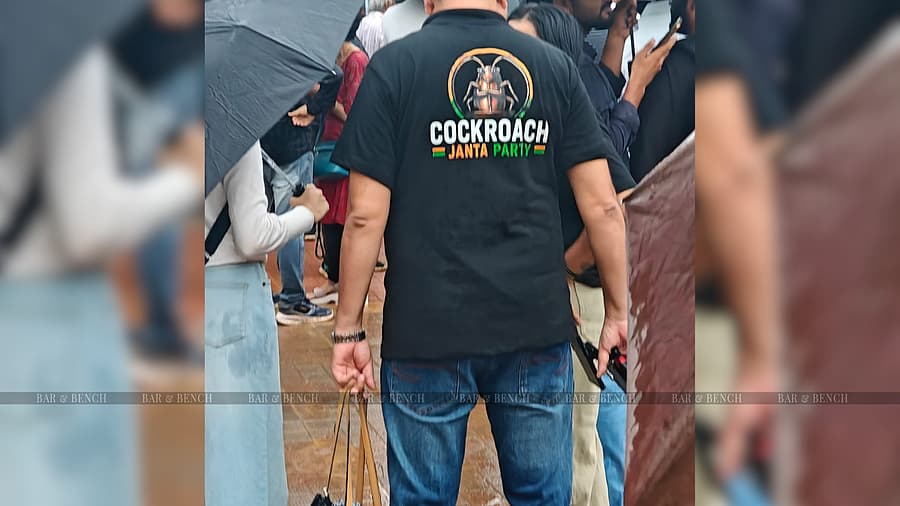
The Delhi High Court has declined to entertain a public interest litigation (PIL) petition filed by Save India Foundation seeking directions to initiate criminal action against Cockroach Janta Party protestors who allegedly indulged in arson, physical attacks on police staff, and damaged public property at Jantar Mantar. The court permitted the petitioner to represent their cause with the authorities concerned, who will take appropriate action under law.
Introduction
The Delhi High Court on Friday refused to entertain a PIL petition filed by Save India Foundation seeking directions to initiate criminal action against Cockroach Janta Party protestors for alleged arson and physical attacks on police staff at Jantar Mantar. The court's decision has significant implications for the administration of justice in India, particularly in cases involving public order and law enforcement.
Background
The PIL petition was filed under the Damage to Public Properties Act, which is a key piece of legislation governing public property damage in India. The Supreme Court has previously ruled on this issue, emphasizing the importance of balancing individual rights with the need for public safety and order. In recent years, there have been increasing concerns about civil unrest and protests turning violent, particularly in neighboring countries such as Sri Lanka, Bangladesh, and Nepal.
Analysis
The Delhi High Court's decision not to entertain the PIL petition raises important questions about the role of the judiciary in policing public order. While the court permitted the petitioner to represent their cause with the authorities concerned, it is unclear what specific actions will be taken against the protestors. The case highlights the need for effective communication and coordination between law enforcement agencies and the judiciary to prevent violence and maintain public safety.
Conclusion
The Delhi High Court's decision has significant implications for practitioners dealing with cases involving public order and law enforcement. It emphasizes the importance of balancing individual rights with the need for public safety and order, and highlights the need for effective communication and coordination between law enforcement agencies and the judiciary.
How does this affect your business?
Get an AI analysis of this article grounded in your jurisdictions, practice areas, and any policy documents you've uploaded to Wansom.