
Delhi High Court dismisses PIL against Sonam Wangchuk's removal from Jantar Mantar
Abstract
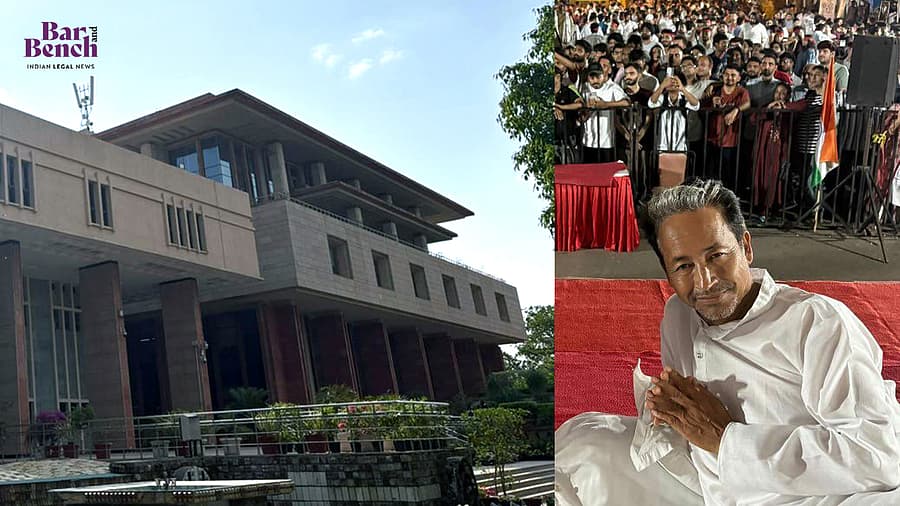
The Delhi High Court dismissed a public interest litigation (PIL) petition filed by a lawyer against the forced removal of activist Sonam Wangchuk from Jantar Mantar during his hunger strike. The court pointed out that a similar issue had already been raised by Wangchuk's wife, and suggested that the petitioner approach the authorities to register a criminal case if he felt a crime had been committed. The dismissal of the PIL means that the matter will not be heard further in the court.
Introduction
The Delhi High Court on Wednesday dismissed a public interest litigation (PIL) petition filed by a lawyer against the forced removal of activist Sonam Wangchuk from Jantar Mantar during his hunger strike. The court's decision is significant because it highlights the limitations of PIL petitions in addressing grievances that can be resolved through other means. This article will examine the background to the case, the court's reasoning for dismissing the petition, and the implications of this ruling for future PIL cases.
Background
Public interest litigation (PIL) is a mechanism by which individuals or organizations can bring cases to court on behalf of the public interest. In India, PIL petitions are often used to address issues related to human rights, social justice, and environmental protection. However, the Delhi High Court's decision in this case suggests that PIL petitions may not always be the most effective way to resolve grievances, particularly when other avenues for redress are available. The court's reasoning is also notable because it highlights the importance of exhausting alternative remedies before approaching the courts.
Analysis
The court's dismissal of the PIL petition raises several questions about the role and limitations of PIL in addressing public interest issues. One key issue is whether the petitioner should have approached the authorities to register a criminal case rather than seeking judicial intervention. The court's suggestion that the police should be first approached to register an FIR if the petitioner feels a crime has been committed suggests that there may be alternative remedies available for addressing grievances. However, the dismissal of the PIL petition also raises questions about the effectiveness of PIL in addressing systemic issues and promoting social justice.
Conclusion
The Delhi High Court's decision to dismiss the PIL petition against Sonam Wangchuk's removal from Jantar Mantar highlights the limitations of PIL petitions in addressing grievances that can be resolved through other means. The court's reasoning suggests that individuals or organizations seeking to address public interest issues should first exhaust alternative remedies before approaching the courts. This ruling has implications for future PIL cases and underscores the need for careful consideration of the most effective mechanisms for promoting social justice and protecting human rights.
How does this affect your business?
Get an AI analysis of this article grounded in your jurisdictions, practice areas, and any policy documents you've uploaded to Wansom.