
Delhi High Court Names Special Judge to Handle Paper Leak Cases
Summary
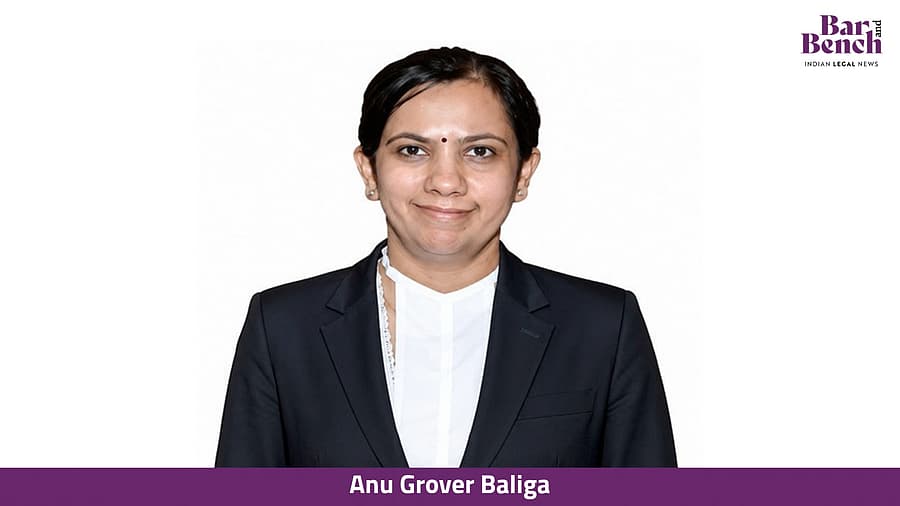
- The Delhi High Court has designated Judge Anu Grover Baliga as a special judge to handle paper leak cases.
- Fast-track courts will be established to try offences under the Public Examinations (Prevention of Unfair Means) Act, 2024.
- Prime Minister Narendra Modi announced the decision to set up fast-track courts for swift and stringent punishment of those involved in paper leaks.
- Student protests have been ongoing across the country, with students demanding action against former Union Minister of Education Dharmendra Pradhan.
What Happened
The judge will hold court at the Rouse Avenue Court Complex, which will be dedicated to trying offences under the Public Examinations (Prevention of Unfair Means) Act, 2024.
The Delhi High Court has taken a significant step to address the growing issue of paper leaks in public examinations. On Thursday evening, the court issued a notification designating Judge Anu Grover Baliga as a special judge to handle criminal cases related to paper leaks and unfair means. This move comes on the heels of Prime Minister Narendra Modi's announcement earlier this morning to set up fast-track courts for swift and stringent punishment of those involved in paper leaks. The decision to establish these special courts has been prompted by widespread student protests across the country, with students and the Cockroach Janta Party (CJP) demanding action against former Union Minister of Education Dharmendra Pradhan. Judge Baliga will preside over the Rouse Avenue Court Complex, which will be dedicated to trying offences under the Public Examinations (Prevention of Unfair Means) Act, 2024.
Legal Context
The establishment of fast-track courts is a significant development in India's legal landscape. These specialized courts are designed to expedite the trial process and ensure swift punishment for those involved in paper leaks. The Public Examinations (Prevention of Unfair Means) Act, 2024, will be the primary legislation governing these cases. This act aims to prevent and punish unfair means in public examinations, including paper leaks. The fast-track courts will operate under this legislation, providing a dedicated platform for addressing the growing issue of paper leaks. Lawyers should take note of this development, as it may impact clients involved in education or related sectors.
Why It Matters
The designation of Judge Anu Grover Baliga as a special judge to handle paper leak cases is a crucial step towards addressing the widespread issue of cheating in public examinations. The establishment of fast-track courts will ensure swift and stringent punishment for those involved, which is essential for maintaining the integrity of the examination system. This development also highlights the need for effective measures to prevent paper leaks, including stricter security protocols and more robust investigation processes. As student protests continue across the country, the Delhi High Court's decision demonstrates its commitment to addressing this critical issue.
Practical Implications
Lawyers should watch for the establishment of these fast-track courts, which will try paper leak cases under the Public Examinations (Prevention of Unfair Means) Act, 2024. This development may impact clients involved in education or related sectors.
Source
How does this affect your business?
Get an AI analysis of this article grounded in your jurisdictions, practice areas, and any policy documents you've uploaded to Wansom.