
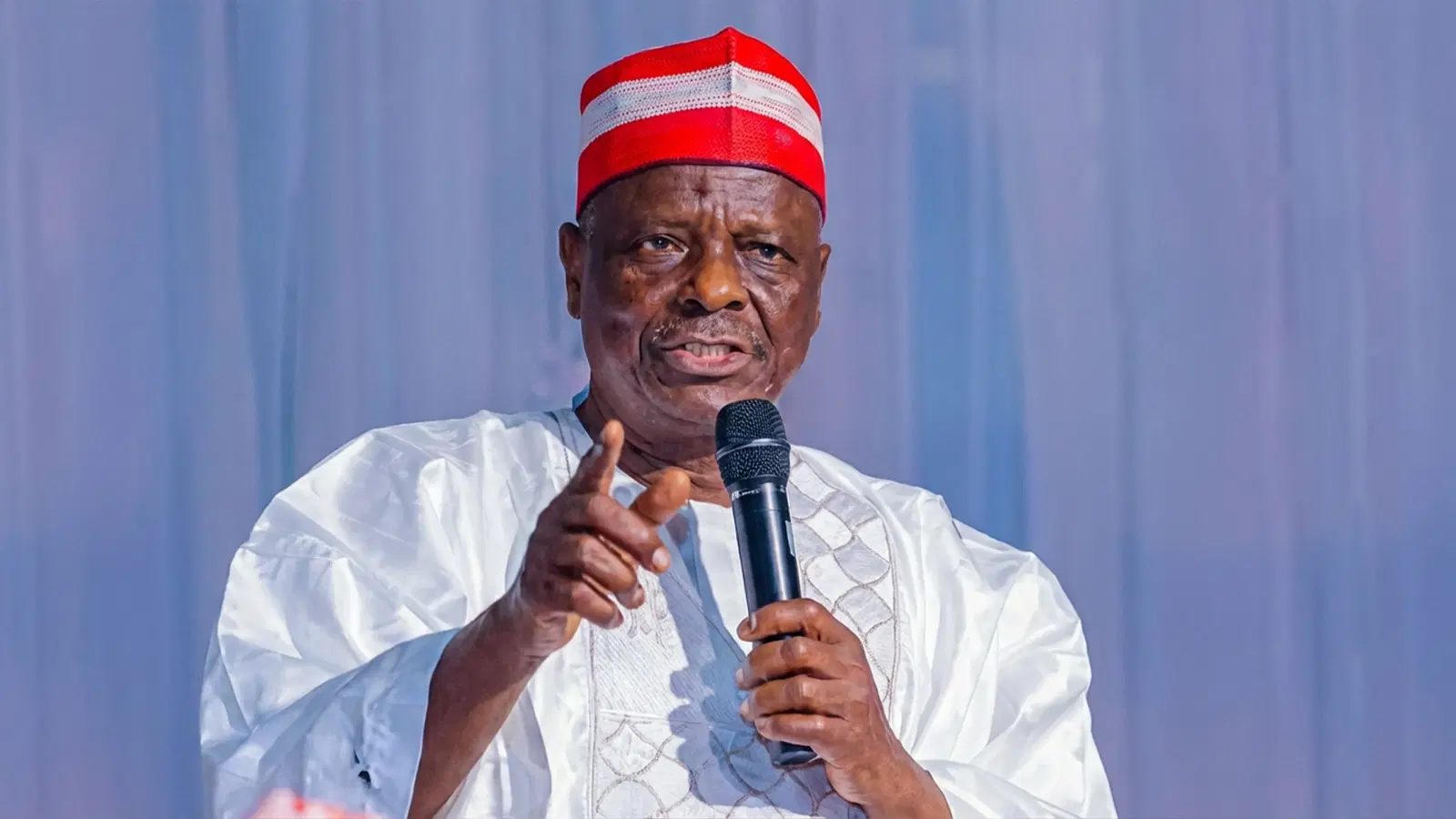
Dickson, Kwankwaso meet over NDC unity
Abstract
The recent meeting between Senator Seriake Dickson, National Leader of the newly registered Nigeria Democratic Congress (NDC), and Senator Rabiu Kwankwaso, a prominent figure within the party, signals significant political realignments ahead of Nigeria's 2027 general elections. This gathering, focused on "NDC unity," carries substantial legal implications under the Nigerian Constitution and the Electoral Act 2022. For legal practitioners, understanding the framework governing political party formation, mergers, and defections is crucial, as such high-profile collaborations can trigger constitutional provisions regarding party membership, electoral eligibility, and the Independent National Electoral Commission's (INEC) regulatory oversight. The NDC, having recently secured its registration, is positioning itself as a formidable opposition force, making its internal dynamics and external alliances a key area of legal and political interest.
Introduction
The Nigerian political landscape is perpetually dynamic, characterized by strategic alliances and realignments, particularly in the lead-up to general elections. A recent development capturing the attention of political observers and legal professionals alike is the meeting between Senator Seriake Dickson, the National Leader of the Nigeria Democratic Congress (NDC), and Senator Rabiu Kwankwaso, a key figure within the same party. The stated purpose of their meeting, to foster "NDC unity," underscores the party's ambition to consolidate its structure and influence ahead of the 2027 polls. This interaction is not merely a political handshake; it is a critical event with profound legal ramifications for party members, electoral processes, and the broader democratic framework in Nigeria.
For legal practitioners, this development necessitates a close examination of the constitutional and statutory provisions governing political parties in Nigeria. The formation, operation, and potential expansion of a political party like the NDC are strictly regulated by the Constitution of the Federal Republic of Nigeria, 1999 (as amended), and the Electoral Act 2022. The concept of "unity" in this context could range from internal cohesion to strategic mergers or alliances with other political entities, each carrying distinct legal requirements and consequences. This article will delve into the relevant legal frameworks, analyze the implications of such political gatherings, and highlight key considerations for legal professionals navigating Nigeria's evolving political terrain.
Background
The legal framework for political parties in Nigeria is primarily enshrined in Chapter VI, Part I, Sections 221 to 229 of the Constitution of the Federal Republic of Nigeria, 1999 (as amended), complemented by the comprehensive provisions of the Electoral Act 2022. These instruments empower the Independent National Electoral Commission (INEC) to register, monitor, and regulate the activities of political associations seeking to function as political parties. To be registered, an association must meet stringent conditions, including having a national spread and a constitution that ensures democratic operation.
Historically, Nigeria has operated a multi-party system, with various parties emerging and evolving since the First Republic. The current Fourth Republic, which commenced in 1999, has seen the rise and fall of numerous political parties, often characterized by defections and mergers. The Electoral Act 2022, assented to in February 2022, introduced significant reforms aimed at enhancing electoral integrity, promoting internal party democracy, and clarifying procedures for party activities, including mergers and candidate nominations. These legal provisions form the bedrock upon which political actors like Senator Dickson and Senator Kwankwaso must operate, particularly when discussing party unity and strategic realignments.
Analysis
The meeting between Senator Dickson and Senator Kwankwaso over "NDC unity" must be analyzed through the lens of Nigeria's electoral jurisprudence. Senator Seriake Dickson, a former Governor of Bayelsa State and current Senator, is the National Leader of the Nigeria Democratic Congress (NDC), a party legally recognized by INEC in February 2026 after a protracted legal battle. Senator Rabiu Kwankwaso, a former Governor of Kano State and Senator, recently defected to the NDC in May 2026, becoming a key figure in the party. Their collaboration underscores the NDC's intent to attract high-profile politicians and build a broad-based opposition movement.
The concept of "unity" can manifest in several ways, each with distinct legal implications. If the unity discussions pertain to internal cohesion and strengthening the NDC's structures, it aligns with the Electoral Act 2022's emphasis on internal party democracy. Section 82 of the Electoral Act 2022 mandates political parties to give INEC at least 21 days' notice of any convention, congress, or meeting convened for purposes such as electing executive committees or approving a merger. The NDC has already indicated its commitment to democratic processes, including plans for electronic voting in future primaries.
However, if "unity" extends to a potential merger with other political parties or factions, the stringent provisions of Section 81 of the Electoral Act 2022 would apply. This section allows two or more registered political parties to merge upon INEC's approval, following a formal request. Crucially, political parties intending to merge must give INEC nine months' notice before a general election. The written request must be jointly signed by the National Chairman, Secretary, and Treasurer of the merging parties. A successful merger results in the withdrawal and cancellation of the certificates of registration of the merging parties and the issuance of a single certificate for the new entity.
Furthermore, the movement of political figures like Kwankwaso between parties raises the issue of defection. Sections 68(1)(g) and 109(1)(g) of the Constitution stipulate that a member of the National Assembly or a State House of Assembly, whose election was sponsored by a political party, shall vacate their seat if they become a member of another political party before the expiration of their term. However, a critical proviso exists: this consequence does not apply if the defection is a result of a division in the political party of which they were previously a member, or a merger of two or more political parties or factions. This exception provides a legal pathway for politicians to switch allegiances without losing their seats, provided the conditions for party division or merger are met and duly recognized by INEC. The NDC's recent primaries and ongoing reconciliation efforts within its ranks, as well as its efforts to attract members from other parties, highlight the practical application of these legal provisions.
Conclusion
The meeting between Senator Seriake Dickson and Senator Rabiu Kwankwaso concerning "NDC unity" is a significant indicator of the strategic maneuvering characteristic of Nigeria's pre-election political cycle. For legal practitioners, this event underscores the critical importance of a thorough understanding of the constitutional and statutory framework governing political parties, particularly the Electoral Act 2022. The NDC, as a recently registered party, is navigating the complex legal requirements for consolidation and expansion, whether through internal strengthening, attracting new members, or potentially forming alliances or mergers.
Practitioners should closely monitor the NDC's activities, especially any formal announcements regarding mergers or significant defections, as these will trigger specific legal processes and potential litigation. Advising clients on the intricacies of party registration, internal democracy, merger procedures, and the constitutional implications of defection will be paramount. The emphasis on building the NDC on "strong democratic institutions rather than personalities" by Senator Dickson suggests a conscious effort to adhere to the principles of internal democracy, a key area of focus under the Electoral Act 2022. The evolving dynamics within the NDC and its interactions with other political forces will undoubtedly provide fertile ground for legal analysis and engagement in the coming months, shaping the trajectory of Nigeria's democratic future.
Citations
- 1.Constitution of the Federal Republic of Nigeria, 1999 (as amended)
- 2.Electoral Act 2022
- 3.Rabiu Musa Kwankwaso Biography and Detailed Profile - Politicians Data
- 4.Seriake Dickson: Architect of Inclusive Governance, Education and Service in Bayelsa State and Nigeria
- 5.Rabiu Kwankwaso - Wikipedia
- 6.Nigeria Democratic Congress - Wikipedia
- 7.National Democratic Coalition (Nigeria) - Wikipedia
- 8.Guidelines for the Registration of New Political Parties | INEC
- 9.INEC Guidelines For The Registration Of Political Parties - D A W O D U . C O M
- 10.Read 10 important facts about Nigeria Democratic Congress (NDC), Nigeria's emerging political party
- 11.Henry Seriake Dickson - Wikipedia
- 12.Section 81 - Electoral Act 2022 - PLAC
- 13.Sen. SERIAKE DICKSON - National Assembly | Federal Republic of Nigeria
- 14.Rabiu Musa Kwankwaso - Roadmap to 2023 – Countdown to the Presidential and National Assembly Election
- 15.Senator Henry Seriake Dickson's EnduringOpposition Legacy and the Institutional Genesis of the Nigeria Democratic Congress (NDC) - Authority newspaper
- 16.Guidelines for The Registration of New Political Parties - INEC
- 17.Rabiu Kwankwaso - Nigeria Wiki | Fandom
- 18.Henry Seriake Dickson and the NDC: The opposition legacy behind a new political platform
- 19.Information on the National Democratic Coalition (NADECO), on when it was formed and where; on its leadership; on demonstrations it has been involved in - Ecoi.net
- 20.Guidelines for Registration - INEC
- 21.Examining the provisions of the Electoral Act, 2022 | The Guardian Nigeria News
- 22.An Overview of Party Formation in Nigeria, 1960–1999 - codesria
- 23.Regulations and Guidelines for Political Parties, 2022 - INEC
- 24.Inside the Nigeria Democratic Congress (NDC): Any chances in 2027?
- 25.NDC Party Reform: Kwankwaso Is Not Leaving, Says Osa - YouTube
- 26.Development of political parties in Nigeria - FCT EMIS
- 27.NDC Primaries: Cases of alleged irregularities trail exercise as observers commend party's outing - YouTube
- 28.Fourth Nigerian Republic - Wikipedia
- 29.Nigeria (11/04) - State.gov
- 30.The frequency of political defections in Nigeria: Plugging the enabling loopholes in the Consititution - International Journal of Law
- 31.CHAPTER7: POLITICAL PARTIES IN NIGERIA
- 32.An Overview of the Electoral Act, 2022 - RSIS International
- 33.NADECO Backs Southern Presidency for 2027 - YouTube
- 34.NDC built on strong democratic structures not personalities -Dickson - The Sun Nigeria
- 35.National Democratic Party (Nigeria) - Wikipedia
- 36.Electoral Act 2022 - Policy and Legal Advocacy Centre
- 37.The Electoral Act 2022 - ActionAid Nigeria
- 38.Electoral Act 2022 Undergoes Another Amendment - Nigerian Democratic Report
- 39.Defection from One Political Party to Another under the Nigerian Constitution: When the Band Begins to Play - PREORC Open Journals
How does this affect your business?
Get an AI analysis of this article grounded in your jurisdictions, practice areas, and any policy documents you've uploaded to Wansom.