
DR Congo Takes Rwanda to ICJ Over Alleged Three-Decade Campaign of Abuses Against Congolese Hutus
Briefly Analysis
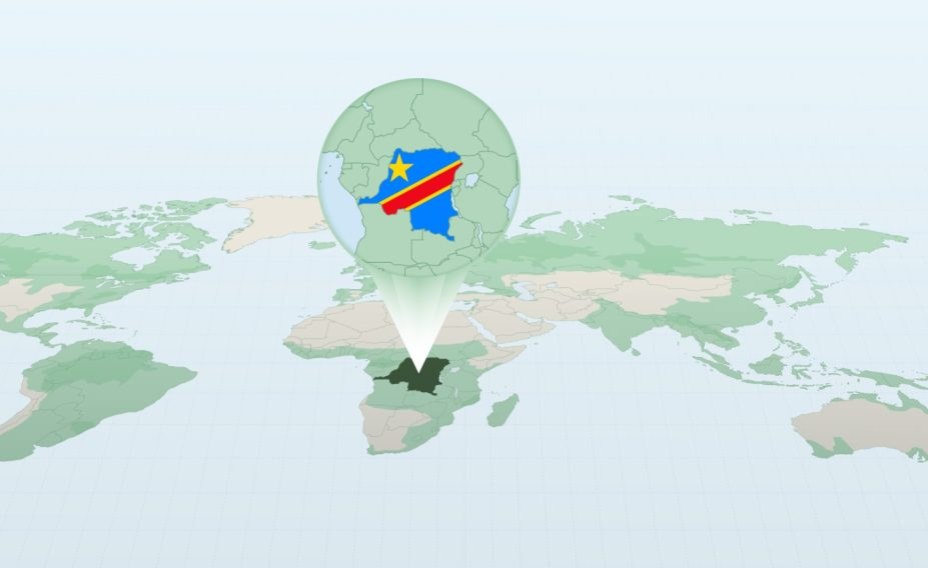
The Democratic Republic of the Congo (DRC) has formally initiated proceedings against Rwanda at the International Court of Justice (ICJ), alleging a systematic, three-decade-long campaign of genocide and gross human rights violations in the eastern regions of the DRC. The application asserts that Rwanda has engaged in direct military aggression and provided support to armed groups, most notably the M23 rebel movement, to facilitate the systematic targeting of Congolese populations. This legal action marks a significant escalation in the long-standing geopolitical tensions between the two nations, moving the dispute from regional diplomatic forums into the formal arena of international adjudication, where the DRC seeks to hold the Rwandan state accountable for alleged breaches of international humanitarian law and the Genocide Convention.
For legal practitioners and international law experts, this case is of profound significance as it tests the ICJ’s jurisdiction over state responsibility for extraterritorial human rights abuses and the support of non-state armed actors. The proceedings will likely hinge on the interpretation of the 1948 Convention on the Prevention and Punishment of the Crime of Genocide and the evidentiary threshold required to prove state-sponsored genocidal intent. Given the complex history of the Great Lakes region, the court will be tasked with untangling decades of overlapping conflicts, which necessitates a rigorous examination of state sovereignty, the principle of non-interference, and the obligations of neighboring states under the United Nations Charter to maintain regional stability.
Practitioners should closely monitor the preliminary objections phase, as Rwanda is expected to challenge the court’s jurisdiction and the admissibility of the claims based on the specific reservations or declarations made by the parties regarding the ICJ’s compulsory jurisdiction. For businesses operating in the eastern DRC, this litigation introduces a new layer of legal and reputational risk, particularly concerning supply chain due diligence and the potential for future sanctions or international oversight. Attorneys advising clients in the mining, logistics, or security sectors should prepare for potential shifts in the regulatory landscape, as the ICJ’s findings could influence international policy, donor funding, and the enforcement of human rights compliance standards across the region.