
DRC Reaffirms Support for Repatriation of Congolese Linked to LRA
Summary
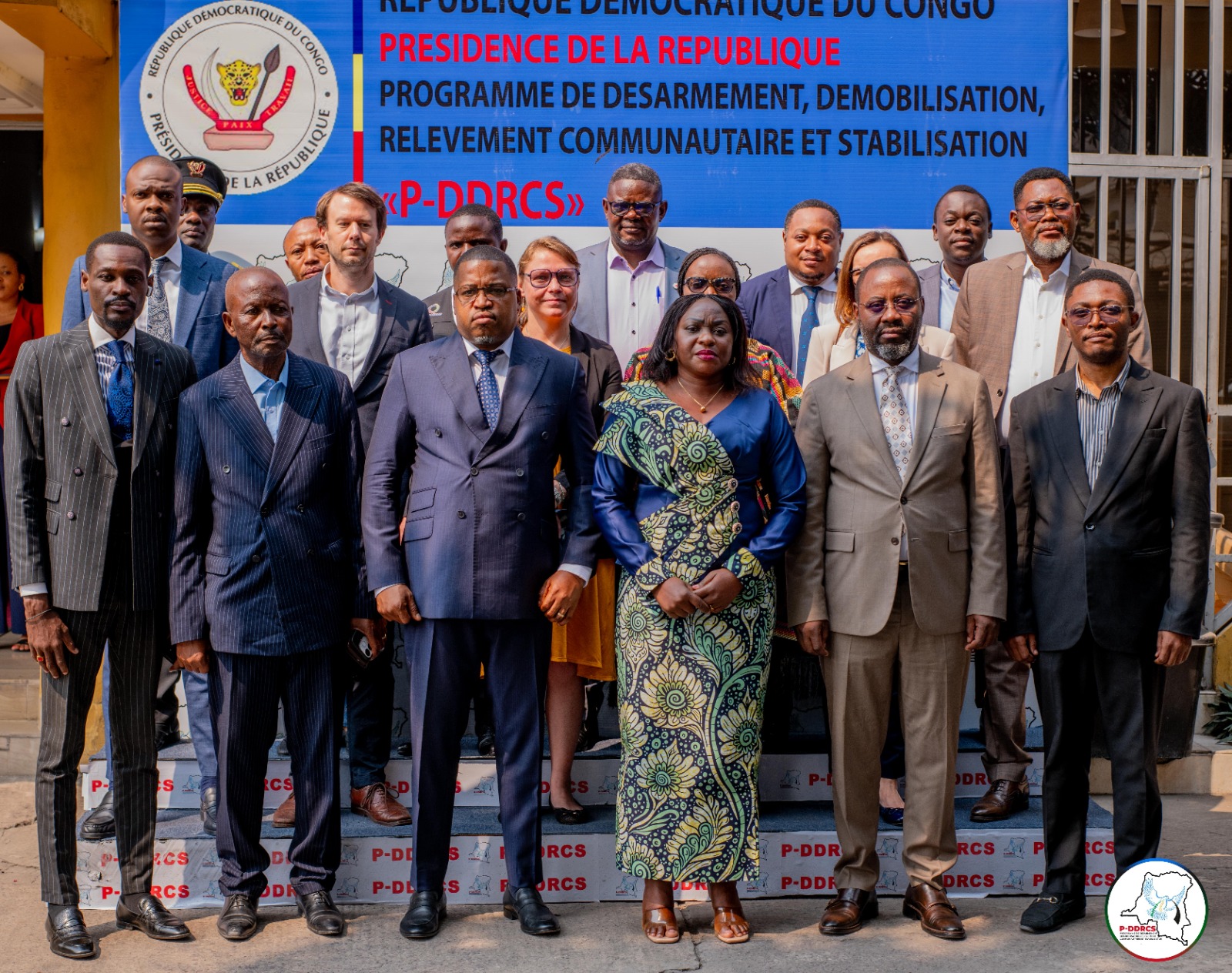
- The Democratic Republic of Congo (DRC) has reaffirmed its commitment to peace, security, and the reintegration of Congolese nationals associated with foreign armed groups.
- The government is supporting repatriation efforts targeting Congolese combatants present within these foreign armed movements.
- The move aims to address the complex issue of Congolese nationals involved with the Lord's Resistance Army (LRA).
What Happened
The DRC's support for repatriation efforts is seen as a crucial step towards addressing the root causes of instability in the region.
The Democratic Republic of Congo (DRC) has reaffirmed its commitment to peace, security, and the reintegration of Congolese nationals associated with foreign armed groups operating in the Great Lakes region. This commitment is reflected in the government's support for repatriation efforts targeting Congolese combatants present within these foreign armed movements. The move aims to address the complex issue of Congolese nationals involved with the Lord's Resistance Army (LRA), a notorious rebel group active in the region.
The DRC's stance on repatriation is part of its broader efforts to promote peace and security in the Great Lakes area, where several foreign armed groups have been operating. The government's support for repatriation efforts is seen as a crucial step towards addressing the root causes of instability in the region.
Legal Context
The repatriation of Congolese nationals associated with the LRA raises complex legal and regulatory issues. Lawyers advising clients on business operations in the DRC should closely monitor developments related to this issue, as it may impact compliance obligations and potential liability. The DRC's support for repatriation efforts is likely to be influenced by international law and regional agreements governing the movement of people across borders. The LRA, a notorious rebel group operating in central Africa, has been responsible for numerous human rights abuses and humanitarian crises.
The repatriation process will involve coordinating with foreign governments, regional organizations, and local authorities to ensure a safe and orderly return of Congolese nationals associated with the LRA. This process is expected to be challenging due to the complex nature of the issue and the need for international cooperation.
Why It Matters
The repatriation of Congolese nationals associated with the LRA has significant implications for peace and security efforts in the Great Lakes region. By supporting repatriation efforts, the DRC is demonstrating its commitment to addressing the root causes of instability in the region. The move also highlights the need for international cooperation in addressing the complex issue of foreign armed groups operating in Africa.
The successful implementation of repatriation efforts will require close coordination between governments, regional organizations, and local authorities. It will also depend on the willingness of foreign armed groups to cooperate with repatriation efforts and the ability of the DRC to provide support and reintegration services to returning nationals.
Practical Implications
Lawyers advising clients on business operations in the DRC should monitor developments related to the repatriation of Congolese nationals associated with the LRA, as this may impact compliance obligations and potential liability.
Source
How does this affect your business?
Get an AI analysis of this article grounded in your jurisdictions, practice areas, and any policy documents you've uploaded to Wansom.