
Education Ministry Lays out Requirements for University Autonomy
Abstract
The Ethiopian Ministry of Education has issued Directive No. 1143/2026, titled 'Directive to Determine the Requirements and Criteria Expected of Public Universities to Become Autonomous Universities,' setting out rigorous conditions for public universities seeking autonomous status. This new directive, framed under the broader University Autonomy Proclamation No. 1294/2023, mandates comprehensive self-assessments across governance, finance, human resources, and academic performance. A critical requirement is the presentation of at least three consecutive years of satisfactory audit results, rendering institutions with unqualified audit reports ineligible. The directive aims to transition public universities from centralized supervision to self-governance, emphasizing accountability, financial independence, and academic excellence, while ensuring continued governmental oversight on national priorities. Legal professionals advising higher education institutions must meticulously navigate these multi-faceted requirements to facilitate a successful transition.
Introduction
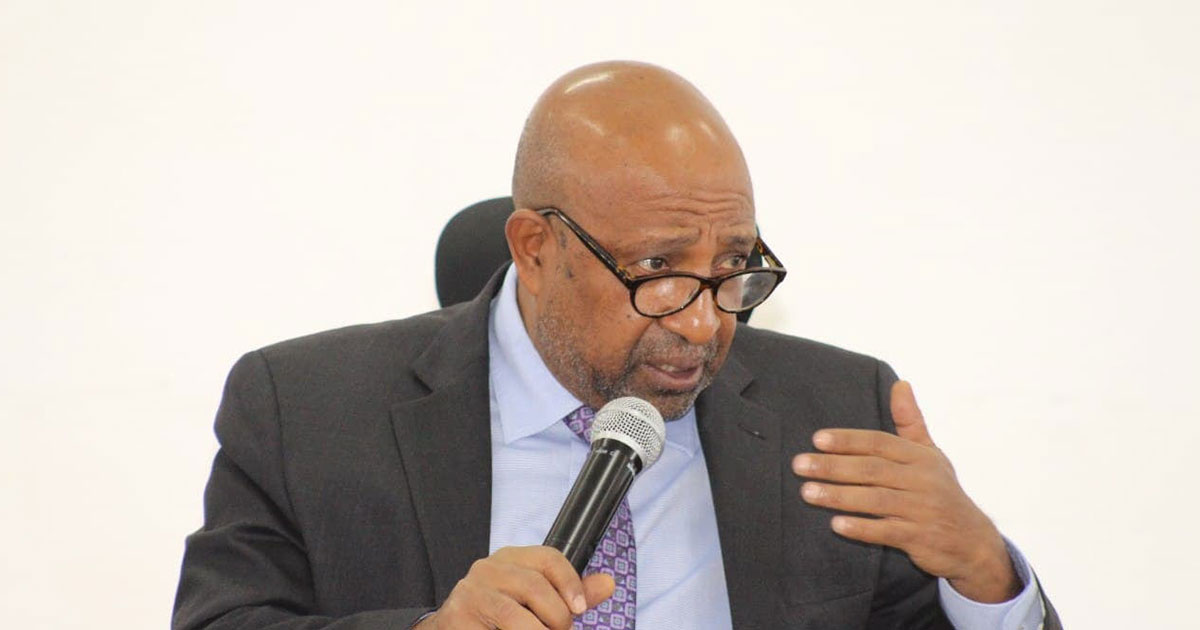
Ethiopia's higher education landscape is undergoing a significant transformation with the recent promulgation of the 'Directive to Determine the Requirements and Criteria Expected of Public Universities to Become Autonomous Universities, No. 1143/2026' by the Ministry of Education. This directive, rolled out by Education Minister Berhanu Nega (PhD), establishes stringent criteria for public universities aspiring to transition from centralized governmental control to an autonomous operational model. The move signals a strategic shift towards enhancing the quality, relevance, and global competitiveness of Ethiopian higher education institutions.
The directive is not merely an administrative guideline but a comprehensive legal instrument designed to operationalize the principles enshrined in the University Autonomy Proclamation No. 1294/2023. It compels universities to undertake rigorous self-assessments across four critical pillars: governance, finance, human resources, and academic performance. For legal practitioners, understanding the nuances of this directive is paramount, as it introduces new compliance obligations and strategic considerations for universities seeking to embrace greater self-governance. This article delves into the core requirements of Directive No. 1143/2026, its legal context, and the practical implications for institutions and their legal advisors.
Background
The quest for autonomy within Ethiopian universities has a long history, with institutions traditionally operating under a centralized governance structure that often limited their independence. While previous legal frameworks, such as the Higher Education Proclamation No. 1152/2019, advocated for greater autonomy, their implementation faced inconsistencies due to persistent governmental interference. Recognizing the vital role of operational freedom and self-governance in enhancing the effectiveness and competence of higher education institutions, the Federal Democratic Republic of Ethiopia enacted the University Autonomy Proclamation No. 1294/2023.
Proclamation No. 1294/2023 laid the foundational legal framework for granting autonomy to public universities, aiming to foster better academic, financial, and administrative control. It acknowledges that institutional independence is essential for universities to effectively achieve their core missions of teaching-learning, research, and community service. The newly issued Directive No. 1143/2026 serves as the implementing regulation for this Proclamation, providing the detailed requirements and criteria that universities must meet to qualify for autonomous status. It represents a concrete step towards transforming public universities into self-governing entities, albeit with continued governmental oversight on national and strategic priorities.
Central to the financial requirements of the directive is the emphasis on robust financial administration and audit compliance. Public financial administration in Ethiopia is primarily governed by the Federal Government of Ethiopia Financial Administration Proclamation No. 648/2009, which sets out responsibilities for the Ministry of Finance, heads of public bodies, and internal audit functions to ensure efficient administration of public finance. The Audit Services Corporation (ASC) and the Office of the Federal Auditor General (OFAG) are the principal bodies responsible for auditing public sector organizations, ensuring transparency and accountability in the management of public resources. The directive's insistence on "unqualified audit reports" directly links university autonomy to adherence to these established public financial management standards.
Analysis
Directive No. 1143/2026 establishes a multi-stage process and a detailed readiness framework, requiring universities to score at least 60% on a comprehensive evaluation across four pillars: governance, finance, human resources, and academics. The process begins with a self-assessment, followed by an independent assessment, and ultimately, a review by the university board before a formal request is submitted to the Ministry of Education for external evaluation.
Under the governance pillar, universities must demonstrate effective engagement between academic and administrative staff, students, the local community, industry representatives, and local administration. A notable technological requirement is that at least 15% of classrooms must be digitized (smart) to qualify for autonomy. The financial pillar presents particularly stringent conditions, requiring universities to present at least three consecutive years of satisfactory audit results. This means institutions with any form of qualified audit report during this period would generally be ineligible, though the directive allows for exceptional circumstances. Furthermore, universities must demonstrate that at least 15% of their budgets have been covered by their own internal or external revenue sources for three consecutive years, alongside implementing revenue diversification mechanisms with five or more sustainable income-generating sectors.
The human resources pillar mandates the preparation of new human resource policies for each sector and specific faculty composition ratios: lecturers at 46%, assistant professors at 31%, associate professors at 20%, and professors and above at 3%. Additionally, 40% of faculty must hold postgraduate degrees. Academically, universities must ensure that less than 80% of undergraduate students have failed their exit examinations over three consecutive years. Requirements also extend to international accreditation for at least 5% of programs, internal quality audits, and intellectual property rights related to the institution's mission and focus areas.
While the directive aims to foster greater independence, the Ministry of Education has clarified that autonomy does not equate to privatization, and the federal government will maintain oversight and support, particularly concerning national and strategic priorities. This indicates a continued balancing act between institutional freedom and governmental accountability. The detailed and quantitative nature of the requirements, such as specific percentages for digitized classrooms, revenue generation, and faculty composition, provides clear benchmarks but may also pose significant challenges for many of the over 45 public universities in Ethiopia, which vary in their current capacity and development stage. The "exceptional circumstances" clause for audit requirements, while offering some flexibility, lacks explicit definition within the provided context, potentially leading to discretionary interpretations.
Conclusion
The Ministry of Education's Directive No. 1143/2026 marks a pivotal moment for public higher education in Ethiopia, offering a structured, albeit demanding, pathway to university autonomy. For legal practitioners advising public universities, a thorough understanding of this directive and its interplay with the University Autonomy Proclamation No. 1294/2023 and the Federal Government of Ethiopia Financial Administration Proclamation No. 648/2009 is indispensable. Universities must undertake rigorous internal assessments, not only to meet the 60% threshold across the four pillars but also to strategically plan for long-term compliance, particularly in areas like financial self-sufficiency and academic quality assurance.
Practitioners should guide institutions through the self-assessment process, assist in developing robust internal control systems, and ensure meticulous financial record-keeping to secure the requisite "satisfactory audit results." Furthermore, advising on revenue diversification strategies, human resource policy development, and academic program accreditation will be crucial. The directive's emphasis on accountability, coupled with the government's stated intent to maintain oversight, suggests that autonomous universities will operate within a framework of enhanced scrutiny. Legal professionals should therefore prepare their clients for a new era of governance that demands both independence and unwavering adherence to national standards and strategic objectives.
Citations
- 1.Directive to Determine the Requirements and Criteria Expected of Public Universities to Become Autonomous Universities, No. 1143/2026.
- 2.University Autonomy Proclamation No. 1294/2023.
- 3.Federal Government of Ethiopia Financial Administration Proclamation No. 648/2009.
- 4.Higher Education Proclamation No. 1152/2019.