
Eight foreign nationals rescued from unlicensed Kajiado rehabilitation centre
Abstract
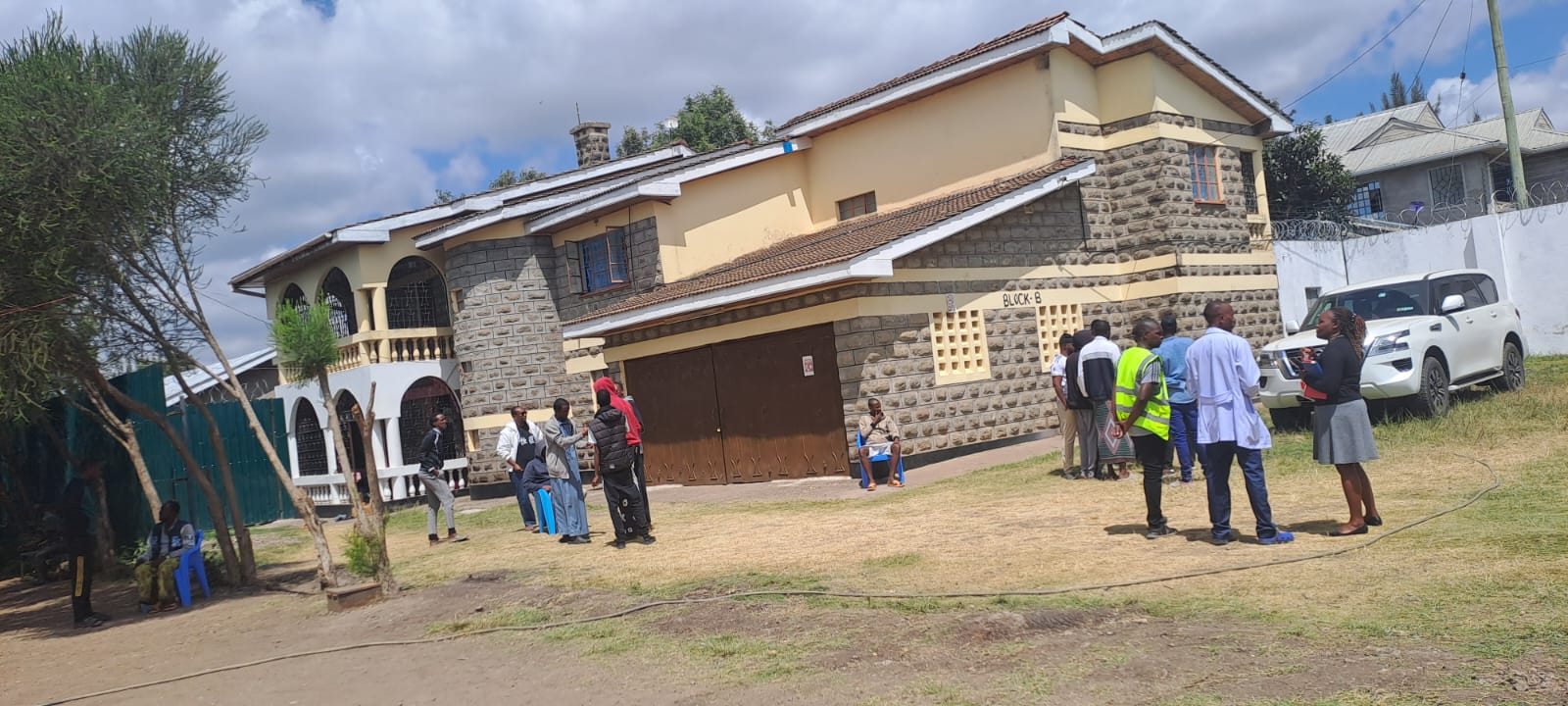
A multi-agency operation in Kajiado County, Kenya, led to the rescue of eight foreign nationals from an unlicensed rehabilitation centre, Ehsan Rehabilitation Centre. The facility was found to be operating without the requisite accreditation from the National Authority for the Campaign Against Alcohol and Drug Abuse (NACADA) and allegedly holding patients against their will, violating fundamental human rights. This incident underscores critical issues of regulatory compliance, patient rights, and the oversight challenges within Kenya's burgeoning rehabilitation sector. NACADA has ordered the immediate closure of the facility and warned of stern legal action against non-compliant operators, highlighting the imperative for all rehabilitation centres to adhere to established legal and ethical standards.
Introduction
A recent multi-agency dawn operation in Kajiado County, Kenya, brought to light the alarming state of an unlicensed rehabilitation centre, the Ehsan Rehabilitation Centre, from which eight foreign nationals were rescued. The operation, spearheaded by the National Authority for the Campaign Against Alcohol and Drug Abuse (NACADA), revealed a facility allegedly detaining patients against their will and failing to meet basic standards of care, thereby violating their fundamental rights. The rescued individuals included citizens from the United States, Canada, and Britain, underscoring the international dimension of this regulatory failure.
This incident serves as a stark reminder of the critical importance of stringent regulatory oversight and adherence to human rights principles within the rehabilitation sector. It highlights the potential for exploitation and abuse when facilities operate outside the established legal framework. For legal professionals, this event signals an intensified focus by regulatory bodies on compliance, necessitating a thorough understanding of the legal landscape governing rehabilitation services in Kenya and the constitutional protections afforded to all individuals, irrespective of nationality.
The article will delve into the statutory and doctrinal context surrounding rehabilitation centres in Kenya, analyze the legal implications of operating an unlicensed facility and detaining individuals unlawfully, and discuss the broader ramifications for practitioners, emphasizing the need for robust compliance mechanisms and vigilant protection of patient rights.
Background
The regulatory framework for rehabilitation centres in Kenya is primarily governed by the National Authority for the Campaign Against Alcohol and Drug Abuse (NACADA) Act, 2012 (Cap 121B). NACADA, a state corporation under the Ministry of Interior and Coordination of National Government, is mandated to coordinate a national response against alcohol and drug abuse, which includes the crucial function of licensing and regulating rehabilitation facilities for persons with substance use disorders. This mandate ensures that such facilities meet specific operational, ethical, and professional standards to safeguard the well-being of clients.
Under the NACADA Act, 2012, and the Narcotic Drugs and Psychotropic Substances (Control) Act, 1994, all rehabilitation facilities are required to obtain accreditation from NACADA and comply with stringent legal and operational standards, including client confidentiality and high treatment protocols. Non-compliance with these requirements can lead to severe consequences, including closure and prosecution. Furthermore, the Mental Health Act (Cap 248) provides the legal procedures for the care and management of individuals with mental disorders, outlining conditions for both voluntary and, in specific circumstances, involuntary admissions into mental health facilities, emphasizing that such detention must strictly adhere to the Act or the Criminal Procedure Code.
Beyond specific legislation, the Constitution of Kenya, 2010, forms the supreme legal foundation for protecting human rights. Key provisions include Article 28, which guarantees every person inherent dignity and the right to have that dignity respected and protected, and Article 29, which enshrines the right to freedom and security of the person, including the right not to be deprived of freedom arbitrarily or without just cause, or detained without trial. These constitutional safeguards extend to all persons within Kenya's borders, including foreign nationals, who are entitled to access Kenyan courts to enforce their fundamental rights and seek remedies.
Analysis
The operation of the Ehsan Rehabilitation Centre without a valid license constitutes a direct and serious breach of Kenyan law, specifically the NACADA Act, 2012, and the Narcotic Drugs and Psychotropic Substances (Control) Act, 1994. NACADA's mandate explicitly includes the regulation, guidance, and monitoring of residential and non-residential treatment and rehabilitation facilities. The fact that only 78 out of 150 inspected facilities were accredited in a recent financial year highlights a significant challenge in ensuring widespread compliance across the sector. Unlicensed facilities not only operate outside legal bounds but also pose substantial risks to patient safety and quality of care, as they are not subject to the minimum standards and oversight designed to protect vulnerable individuals.
The alleged involuntary detention of patients at the Ehsan Centre represents a grave violation of Article 29 of the Constitution of Kenya, 2010, which guarantees freedom and security of the person. While the Mental Health Act (Cap 248) allows for involuntary admission under specific, tightly regulated circumstances, such procedures must be strictly followed and typically require medical and judicial oversight. An unlicensed facility cannot legitimately invoke these provisions, rendering any detention arbitrary and unlawful. NACADA CEO Dr. Anthony Omerikwa rightly emphasized that rehabilitation is a voluntary, therapeutic process founded on respect for human dignity and individual rights, and that involuntary detention without lawful authority or due process is unacceptable.
The presence of foreign nationals among the rescued individuals introduces an international dimension to the human rights violations. While the specific immigration status of the rescued individuals was not detailed, Kenyan law extends fundamental human rights protections to all persons within its jurisdiction, including non-citizens. The involvement of the American Embassy in the rescue operation underscores the diplomatic implications when foreign citizens' rights are violated abroad, potentially leading to international scrutiny and calls for accountability.
The multi-agency approach, involving NACADA, the Kenya Medical Practitioners and Dentists Council (KMPDC), County Public Health services, the National Police Service, and foreign embassies, demonstrates a coordinated effort to address such complex issues. This collaborative enforcement is crucial given the multifaceted nature of the violations, encompassing regulatory non-compliance, potential criminal offenses related to unlawful confinement, and breaches of public health standards. However, the persistent issue of unlicensed facilities, as highlighted by previous investigations and NACADA's own statistics, indicates a systemic challenge in proactive identification and enforcement, suggesting a need for more robust preventative measures and public awareness campaigns regarding legitimate rehabilitation services.
Conclusion
The rescue of eight foreign nationals from the unlicensed Ehsan Rehabilitation Centre in Kajiado serves as a critical reminder of the legal and ethical obligations incumbent upon all operators within Kenya's rehabilitation sector. For legal practitioners, this incident underscores the imperative of advising clients, whether facility owners or families seeking treatment, on strict adherence to the NACADA Act, 2012, the Narcotic Drugs and Psychotropic Substances (Control) Act, 1994, and the fundamental human rights enshrined in the Constitution of Kenya, 2010. Due diligence in verifying the accreditation status of rehabilitation centres and understanding the legal parameters of patient admission and care is paramount to avoid severe legal repercussions, including facility closure and prosecution.
Practitioners should anticipate continued vigilance and intensified crackdowns by NACADA and other regulatory bodies on non-compliant facilities. The multi-agency response to this incident signals a concerted effort by the Kenyan government to enforce standards and protect vulnerable individuals. Legal professionals must be prepared to guide clients through the accreditation process, ensure compliance with patient rights, particularly regarding voluntary admission and freedom from arbitrary detention, and provide counsel on the legal avenues available for victims of unlawful practices. The protection of human dignity and liberty in rehabilitation settings remains a non-negotiable standard, demanding unwavering commitment from all stakeholders in the legal and healthcare sectors.
Citations
- 1.National Authority for the Campaign Against Alcohol and Drug Abuse Act, 2012 (Cap 121B)
- 2.Constitution of Kenya, 2010
- 3.Mental Health Act (Cap 248)
- 4.Narcotic Drugs and Psychotropic Substances (Control) Act, 1994
- 5.Manwa OH Advocates LLP. Understanding the Legal Rights of Foreigners to Sue in Kenya. January 30, 2026.
- 6.SheriaPlex LPMS. What are the rights of immigrants in Kenya?.
- 7.klisc. National Authority for Campaign Against Alcohol and Drug Abuse.
- 8.The Star. What Constitution says about people with mental illness. February 5, 2020.
- 9.Rights Mapping and Analysis Platform. The Constitution of Kenya. May 16, 2025.
- 10.NACADA -National Authority for the Campaign Against Alcohol and Drug Abuse. About Us.
- 11.Rights Mapping and Analysis Platform. The Constitution of Kenya. May 16, 2025.
- 12.HUMAN RIGHTS AND DEPRIVATION OF LIBERTY IN KENYA.
- 13.NACADA. 10th Bi-annual Report On The Status Of Alcohol And Drug Abuse In Kenya By Nacada.
- 14.Scribd. Kenya Mental Health Act Overview.
- 15.The National Treasury. republic of kenya.
- 16.Keyword. Rights during investigation - arbitrary arrest or detention and deprivation of liberty.
- 17.Human Rights Watch. Kenya's Troubled 60-Year Mental Health Journey. December 9, 2023.
- 18.Nairobi. Constitution of Kenya, 2010.
- 19.Devex. The National Campaign Against Drug Abuse Authority (NACADA).
- 20.NACADA. nacada-abridged-v.pdf.
- 21.Kenya Bureau of Standards Template - Nairobi - NACADA.
- 22.Tuko.co.ke. NACADA Raid in Kajiado Rescues 8 Foreign Nationals From Illegally Operated Rehab Centre. July 8, 2026.
- 23.EnableMe. Drug Abuse Counselling Centres In Kenya. December 8, 2022.
- 24.The Star. NACADA fires warning to unaccredited rehab centres. January 14, 2025.
- 25.Rehabilitation centres across the country put on notice over legal non-compliance. July 6, 2026.
- 26.BBC Africa Eye Documentary. Rehab Nightmare: What Happened Next?. June 19, 2019.
- 27.NACADA. National Standards for Treatment and Rehabilitation Of persons With Substance Use Disorders.
- 28.Kenya Subsidiary Legislation, 2022 1356 THE MEDICAL PRACTITIONERS AND DENTISTS ACT (Cap. 253).
- 29.Tuko.co.ke. NACADA Raid in Kajiado Rescues 8 Foreign Nationals From Illegally Operated Rehab Centre. July 8, 2026.