
Ekiti Polls: INEC delists over 2,000 double registrants
Abstract
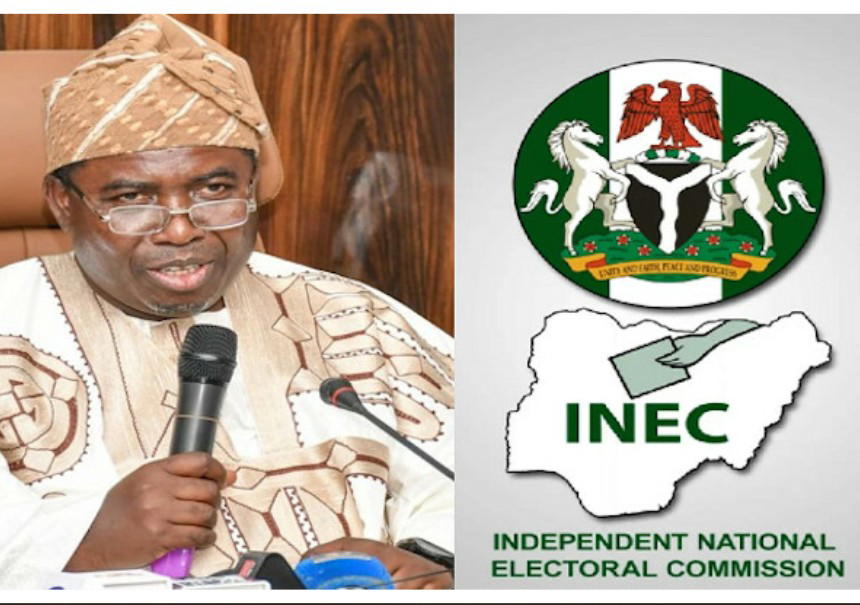
The Independent National Electoral Commission (INEC) has taken a significant step towards enhancing electoral integrity in Nigeria by delisting 2,103 voter registrations in Ekiti State ahead of the upcoming governorship election. These registrations were identified as cases of double registration, a practice explicitly prohibited under Nigerian electoral law. This action by INEC underscores its commitment to maintaining a credible and accurate voter register, which is fundamental to the conduct of free, fair, and transparent elections. The delisting serves as a crucial enforcement measure, reinforcing the legal framework designed to prevent electoral fraud and uphold the sanctity of the ballot.
Introduction
The integrity of the voter register is a cornerstone of any credible democratic process. In Nigeria, the Independent National Electoral Commission (INEC) is constitutionally and statutorily mandated to ensure the accuracy and reliability of this crucial document. In a recent development underscoring this commitment, INEC announced the invalidation of 2,103 voter registrations in Ekiti State, attributing these delistings to instances of double registration ahead of the Saturday, June 20, 2026, governorship election. This decisive action highlights INEC's ongoing efforts to sanitize the electoral roll and prevent malpractices that could undermine public confidence in election outcomes.
Background
The Independent National Electoral Commission (INEC) is established under Section 153 of the 1999 Constitution of the Federal Republic of Nigeria (as amended), with its functions further detailed in the Third Schedule, Part 1, Item F, paragraphs 14 and 15 of the Constitution, and Section 2 of the Electoral Act 2022. Among its core responsibilities is the organization and conduct of voter registration, as well as the preparation, maintenance, and revision of the register of voters for all elections. The legal framework for voter registration in Nigeria is primarily governed by the Electoral Act 2022, which repealed the previous Electoral Act 2010 and its amendments. This Act provides for continuous voter registration, enabling INEC to regularly update the register.
A fundamental principle enshrined in the Electoral Act is the prohibition of multiple or double registration. Section 12(2) of the Electoral Act explicitly states that "A person shall not register in more than one registration center or register more than once in the same registration center." This prohibition is crucial for preventing individuals from casting multiple votes, thereby distorting the electoral process. The Act also criminalizes such an act, with Section 114(b) of the Electoral Act 2022 stipulating penalties for offenders. The maintenance of a clean and accurate voter register is not merely an administrative task but a constitutional imperative, vital for ensuring that only eligible citizens participate in elections.
Analysis
INEC's delisting of 2,103 double registrants in Ekiti State is a direct exercise of its powers under the Electoral Act 2022. The Commission is empowered to compile, maintain, and update the Register of Voters on a continuous basis, including the deletion of names of persons who no longer meet registration requirements or are found to have engaged in multiple registrations. To identify such irregularities, INEC employs technological tools, notably the Automated Fingerprint Identification System (AFIS), which helps detect duplicate entries based on biometric data.
The legal basis for this action is robust. Section 12(2) of the Electoral Act 2022 unequivocally prohibits double registration. Furthermore, Section 12(3) of the Act prescribes penalties for contravening this provision, making an offender liable on conviction to a fine not exceeding N100,000 or imprisonment for a term not exceeding one year, or both. Another provision, Section 114(b) of the Electoral Act 2022, also criminalizes double registration, with a maximum fine of N1 million and/or 12 months imprisonment. This dual emphasis on prohibition and punishment underscores the seriousness with which the Nigerian legal framework treats electoral fraud. The delisting of names from the register is a necessary administrative step to enforce these provisions and prevent the perpetuation of electoral offenses.
While INEC has the power to delist, the process typically involves public display of the preliminary register of voters for claims and objections, allowing citizens to scrutinize the list and raise concerns about any irregularities, including omissions or inclusions of ineligible voters. This mechanism ensures a measure of due process and transparency, allowing affected individuals or concerned parties to seek redress or clarification. However, once double registration is definitively established, the Commission's power to remove such entries from the final register is clear and essential for maintaining the integrity of the electoral process. The proactive use of technology like AFIS, coupled with the legal provisions, allows INEC to address a persistent challenge in Nigerian elections, thereby strengthening the credibility of the voter register.
Conclusion
The Independent National Electoral Commission's decision to delist over 2,000 double registrants in Ekiti State is a commendable and necessary measure for safeguarding the integrity of the upcoming governorship election and, by extension, Nigeria's democratic process. This action reinforces the principle that only eligible and properly registered voters should participate in elections, thereby mitigating the risk of electoral fraud and manipulation. For legal practitioners, this development highlights the critical importance of advising clients, including political parties and individual voters, on strict adherence to the provisions of the Electoral Act 2022, particularly concerning voter registration.
Practitioners should emphasize that double registration is not merely an administrative error but a criminal offense with significant penalties. Furthermore, they should remain vigilant regarding INEC's continuous efforts to clean up the voter register and the implications for electoral petitions. The ongoing commitment by INEC to leverage technology and enforce electoral laws is a positive trajectory for Nigerian democracy. Stakeholders should continue to monitor the Commission's actions in maintaining a transparent and credible voter register, as it remains a fundamental pillar for achieving free, fair, and acceptable elections across the nation.
Citations
- 1.1999 Constitution of the Federal Republic of Nigeria (as amended)
- 2.Electoral Act 2022
- 3.Section 153 of the 1999 Constitution of the Federal Republic of Nigeria (as amended)
- 4.Third Schedule, Part 1, Item F, paragraphs 14 and 15 of the 1999 Constitution of the Federal Republic of Nigeria (as amended)
- 5.Section 2 of the Electoral Act 2022
- 6.Section 12(2) of the Electoral Act 2022
- 7.Section 12(3) of the Electoral Act 2022
- 8.Section 114(b) of the Electoral Act 2022
How does this affect your business?
Get an AI analysis of this article grounded in your jurisdictions, practice areas, and any policy documents you've uploaded to Wansom.