
Energy Commission concludes nationwide training on energy-efficient building permits
Abstract
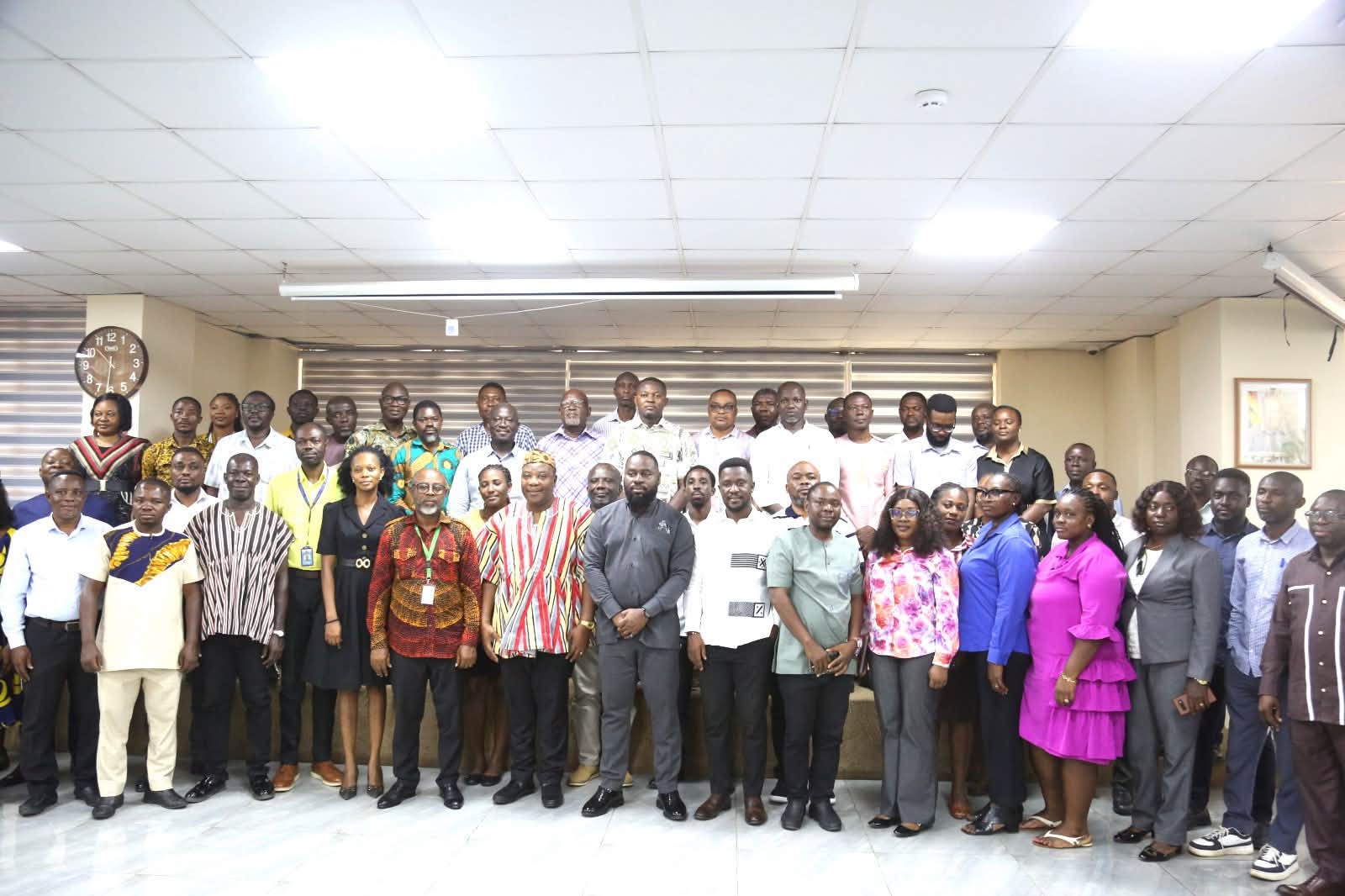
The Energy Commission in Ghana has completed a nationwide training program for local government officials to enhance their understanding of incorporating energy-efficient requirements into building permits and development controls. This initiative aims to promote sustainable practices in the construction sector, aligning with Ghana's efforts to reduce its carbon footprint. The training is expected to improve the integration of energy efficiency standards into existing regulatory frameworks, contributing to a more environmentally friendly built environment.
Introduction
The Energy Commission's recent nationwide capacity-building program for local government officials has significant implications for Ghana's building permit and development control processes. This initiative is part of ongoing efforts to promote sustainable practices in the construction sector, which are critical to reducing the country's carbon footprint. The training program's focus on integrating energy efficiency requirements into existing regulatory frameworks underscores the importance of considering environmental sustainability in urban planning and development.
Background
Ghana has been actively promoting sustainable development and reducing its reliance on fossil fuels. The government has set ambitious targets for renewable energy adoption, which requires a shift towards more environmentally friendly building practices. The Energy Commission's training program is part of this broader effort to transform the construction sector and align it with Ghana's climate change mitigation goals.
Analysis
The integration of energy efficiency requirements into building permits and development control processes has far-reaching implications for urban planning, environmental sustainability, and public health. By strengthening local government officials' understanding of these requirements, the Energy Commission's training program is expected to improve the overall quality of construction projects in Ghana. This, in turn, will contribute to reduced greenhouse gas emissions, improved air quality, and enhanced livability in urban areas.
Conclusion
The successful completion of this nationwide capacity-building program marks an important step towards promoting sustainable practices in Ghana's building sector. As the country continues to prioritize environmental sustainability and renewable energy adoption, it is essential for local government officials to be equipped with the necessary knowledge and skills to implement energy-efficient building standards effectively.
How does this affect your business?
Get an AI analysis of this article grounded in your jurisdictions, practice areas, and any policy documents you've uploaded to Wansom.