
Ethiopia's Electric Vehicle Push Challenges Insurers' Rulebook
Abstract
Ethiopia's ambitious push towards electric vehicles (EVs), marked by a ban on internal combustion engine (ICE) vehicle imports from January 2024, is significantly challenging the nation's insurance sector. The existing "petrol-era rulebook," primarily designed for conventional vehicles, struggles to accommodate the unique risks and characteristics of EVs. Insurers face hurdles in valuation due to high battery costs, lack of specialized repair infrastructure, and scarcity of historical claims data, leading to higher premiums and reluctance to provide comprehensive coverage. This article examines the legal and regulatory gaps in Ethiopia's insurance framework and the urgent need for tailored policies to support the burgeoning EV market.
Introduction
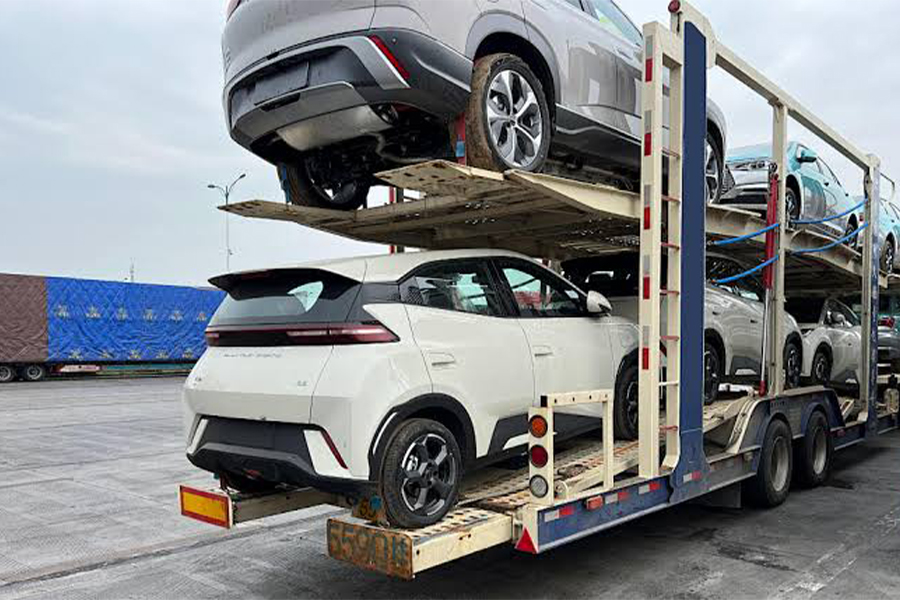
Ethiopia has embarked on an ambitious journey to electrify its transport sector, driven by a strategic imperative to reduce its substantial fuel import bill and foster a greener economy. A landmark policy decision in January 2024 saw the government ban the importation of internal combustion engine (ICE) vehicles, signaling a decisive shift towards electric mobility. With a target of increasing the number of electric vehicles on its roads to 500,000 within the next decade, from an estimated 100,000 currently, the pace of this transition is rapid and transformative.
However, this swift pivot to electric vehicles is exposing significant vulnerabilities within Ethiopia's established legal and regulatory frameworks, particularly in the insurance industry. The existing motor vehicle insurance policies and underwriting practices, developed over decades for petrol and diesel cars, are proving ill-equipped to address the distinct risk profiles, repair complexities, and valuation challenges presented by EVs. This article delves into the statutory and doctrinal context of motor vehicle insurance in Ethiopia, analyzes the specific gaps and contradictions emerging with the rise of EVs, and discusses the critical implications for legal practitioners and the broader insurance market.
Background
The legal landscape governing motor vehicle insurance in Ethiopia is primarily anchored in the Vehicle Insurance Against Third Party Risks Proclamation No. 559/2008, which mandates compulsory third-party liability insurance for all vehicles operating on Ethiopian roads. This Proclamation aims to ensure financial capability for accident liabilities and guarantee compensation to victims, setting specific limits for compensation in cases of death, bodily injury, and property damage. Further, the Road Transport Proclamation No. 1274/2022 provides a broader regulatory framework for road transport services, emphasizing safety, environmental friendliness, and efficient transport systems.
Supervision of the insurance sector falls under the purview of the National Bank of Ethiopia (NBE), which issues various directives concerning licensing, corporate governance, and risk-based capital requirements for insurance companies. While these directives ensure the financial soundness and operational efficiency of insurers, they were not formulated with the specific nuances of electric vehicle technology in mind. In a significant step towards supporting EV adoption, the Ethiopian Petroleum and Energy Authority issued the Electric Vehicle Charging System (EVCS) Directive No. 1034/2024 in December 2024, establishing a comprehensive regulatory framework for charging infrastructure, including mandatory installation requirements, licensing, and tariff regulation. However, this directive primarily addresses infrastructure and energy supply, leaving a discernible void in specific insurance provisions for EVs.
Analysis
The rapid influx of electric vehicles into Ethiopia, spurred by government incentives and the ban on ICE imports, has brought to light the inherent limitations of the existing insurance framework. A primary challenge for insurers lies in the valuation and pricing of EV policies. Electric vehicle batteries can account for up to 50% of the vehicle's total value, making them significantly more expensive to replace or repair than components in traditional cars. This high cost, coupled with a lack of established local spare parts supply and specialized repair expertise, renders traditional actuarial models for premium calculation difficult.
Consequently, insurers in Ethiopia have expressed reluctance to provide comprehensive coverage for EVs, often charging premiums that are 25% higher than those for petrol cars, typically ranging between 1.5% and 2% of the EV's market value. The National Bank of Ethiopia has acknowledged that the high cost of EV spare parts complicates the application of minimum premium pricing rules. Furthermore, claims management for EVs presents unique complexities. Assessing damage, particularly to high-voltage battery systems, requires specialized knowledge and equipment, which is largely unavailable in the Ethiopian market. Industry experts note that EV repairs can be approximately 20% more expensive than ICE vehicles, and battery damage frequently results in a total loss, with policyholders often required to contribute 25-30% for a total loss and 10-15% for partial damage.
Another critical gap is the scarcity of historical claims data for EVs in Ethiopia. Without sufficient data on accident frequency, severity, and repair costs specific to the local context, insurers struggle to accurately assess risks and develop appropriate underwriting guidelines. This uncertainty contributes to elevated premiums and cautious approaches from insurance providers. While the Vehicle Insurance Against Third Party Risks Proclamation No. 559/2008 sets compensation limits for third-party damages, these limits (e.g., Birr 100,000 for property damage) may prove inadequate in covering the significantly higher repair or replacement costs associated with EV components in a third-party accident scenario.
Comparatively, other African nations like South Africa are also navigating similar challenges, with insurers recognizing the need to adapt underwriting models to account for new risk dynamics, higher repair costs, and the evolving technological landscape of EVs. The Ministry of Transport and Logistics' E-mobility strategy for Ethiopia identifies the development of an "EV insurance strategy" as a key intervention area, indicating governmental awareness of the issue, but concrete regulatory directives from the NBE specifically for EV insurance products are yet to be fully implemented.
Conclusion
Ethiopia's rapid embrace of electric vehicles, while commendable for its environmental and economic benefits, places an undeniable strain on its traditional insurance framework. For legal practitioners, this evolving landscape presents both challenges and opportunities. Attorneys advising clients in the automotive, transport, and insurance sectors must be acutely aware of the current regulatory lacunae and the practical difficulties faced by insurers. This includes understanding the implications of high EV repair costs, battery valuation, and the limited availability of specialized services on policy terms, claims settlements, and potential disputes.
Moving forward, it is imperative for the National Bank of Ethiopia to issue comprehensive directives that specifically address EV insurance, covering aspects such as risk-based premium pricing, standardized valuation methodologies for batteries, guidelines for claims assessment, and requirements for specialized repair networks. Insurers, in turn, must proactively develop tailored EV insurance products, invest in training for their claims adjusters and underwriters, and collaborate with EV manufacturers and certified repair centers to build a robust ecosystem. Legal professionals should advocate for a dynamic regulatory environment that supports innovation in insurance products while ensuring adequate consumer protection in this nascent but rapidly expanding market. The successful integration of EVs into Ethiopia's transport system hinges significantly on an adaptive and responsive insurance sector, making this a critical area for ongoing legal and policy development.
Citations
- 1.Electric Vehicle Charging System (EVCS) Directive No. 1034/2024
- 2.Energy Proclamation No. 810/2013
- 3.Council of Ministers Energy Regulation No. 444/2019
- 4.Ethiopia E-Mobility Strategy and Implementation Plan - Ministry of Transport and Logistic
- 5.Wahid Business News: Ethiopia's 100,000 EVs Push Insurers Toward Risk-Based Pricing (June 30, 2026)
- 6.Mekdes Mezgebu: Ethiopia's New EV Charging Systems Directive (March 29, 2025)
- 7.AAU-ETD - Addis Ababa University: The Legal and Institutional Framework for Compulsory Third Party Motor Vehicle Insurance in Ethiopia
- 8.Proclamation No. 1274/2022 Road Transport Proclamation (October 12, 2022)
- 9.National Bank of Ethiopia Directives Overview for Banking & Insurance
- 10.Scribd: Ethiopia's Electric Vehicle Regulations (April 29, 2024)
- 11.Vehicle Insurance Against Third Party Risks Proclamation No. 559/2008
- 12.National Bank of Ethiopia: Licensing and Supervision of Insurance Business Insurance Risk Based Capital Directive No. SIB/--/2025
- 13.National Bank of Ethiopia: Directive No. SIB/63/2026 Requirements for Persons with Significant Influence in an Insurance
- 14.National Bank of Ethiopia: Insurance Corporate Governance Directives No SIB 42 2015
- 15.Opinion: The rise of electric vehicles in Africa and the implications for motor insurance (March 30, 2026)
- 16.Addis Fortune: EV Market Shifting Terrain (September 29, 2024)
- 17.National Bank of Ethiopia: Insurance Corporate Governance Directive No. SIB/ /2025
- 18.Understanding Third Party Insurance Policy In Ethiopia (May 21, 2016)
- 19.COVER WebMag: EV fire risk: low probability, high impact – and rising relevance for insurers (April 07, 2026)
- 20.Energy for Growth Hub: New Data Puts Ethiopia Among Global EV Leaders (April 17, 2026)
- 21.The Reporter Ethiopia: Electric Cars Pose Risk To Insurers, Create New Claim Scenarios (January 21, 2023)
- 22.MotorHappy Blog: Electric vehicles and the future of Car Insurance in South Africa (August 05, 2024)
- 23.COVER WebMag: Electric vehicles can affect insurance
- 24.Emerging Risks and the Evolving Insurance Landscape of New Energy Vehicles in South Africa (November 17, 2025)
How does this affect your business?
Get an AI analysis of this article grounded in your jurisdictions, practice areas, and any policy documents you've uploaded to Wansom.