
Faith Odhiambo Demands Structured Market Planning Following Gikomba Fire
Abstract
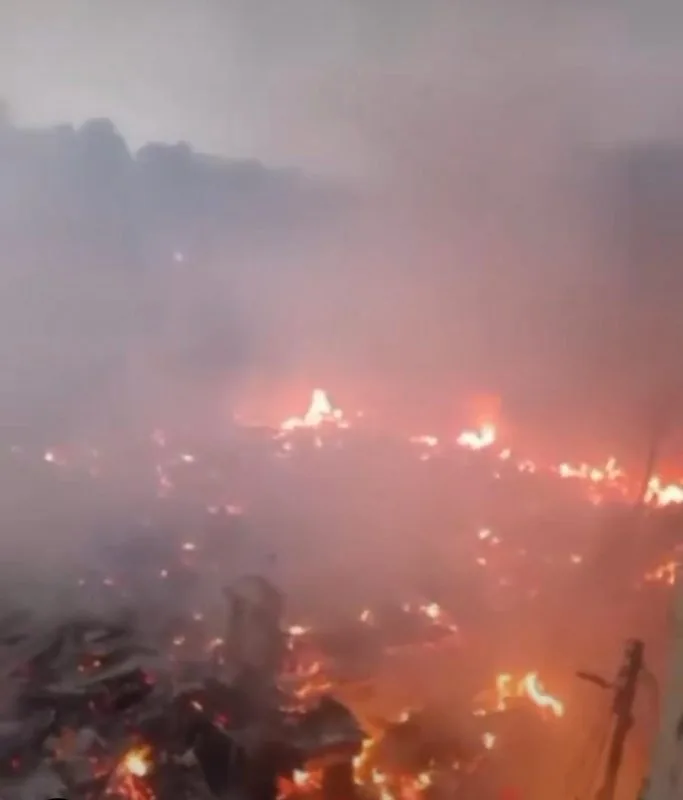
Following a recent devastating fire at Nairobi's Gikomba Market, former Law Society of Kenya President Faith Odhiambo has urgently called for structured market planning and robust fire safety solutions. The recurring infernos at Gikomba, a vital hub for Kenya's informal economy, highlight persistent systemic failures in urban planning, infrastructure, and regulatory enforcement. This article examines the existing legal framework governing market management and fire safety in Kenya, analyzes the critical gaps in its application to informal settlements, and discusses the significant implications for legal practitioners advising various stakeholders, from affected traders to local authorities and developers.
Introduction
Nairobi's Gikomba Market, a bustling epicentre of Kenya's informal economy, was recently engulfed in yet another devastating fire, leading to significant losses for countless traders. This latest incident prompted former Law Society of Kenya (LSK) President Faith Odhiambo to issue a strong call for comprehensive market planning, investment in modern fire safety infrastructure, and transparent investigations into the perennial blazes. The recurring nature of these fires, which have plagued Gikomba for decades, underscores a critical and unresolved challenge in urban governance and the protection of livelihoods within informal settlements.
The repeated destruction at Gikomba is not merely a series of unfortunate accidents; it points to deeper systemic weaknesses in how informal markets are planned, regulated, and secured. The economic and social impact on thousands of small-scale traders and their families is immense, often wiping out years of hard work overnight. This article will delve into the legal and regulatory landscape governing market planning and fire safety in Kenya, critically analyze the enforcement challenges and inherent contradictions, and outline the practical implications for legal professionals navigating this complex intersection of informal trade, urban development, and public safety.
Background
Gikomba Market holds a unique and central position in Kenya's economy as the largest open-air market, primarily dealing in second-hand goods (mitumba) and other commodities. Its history is, unfortunately, punctuated by a grim record of frequent and often mysterious fires, some dating back to the 1980s, with numerous incidents occurring annually since 2010. These infernos, which frequently erupt in the early hours of the morning, have resulted in substantial economic losses, injuries, and even fatalities, as seen in a 2018 fire that claimed 15 lives.
Speculated causes for these recurring disasters range from arson linked to land disputes and business rivalries to severe infrastructural deficiencies, including narrow alleys, densely packed wooden stalls, inadequate water supply, and limited access for emergency services. The legal framework intended to govern such spaces includes the Physical and Land Use Planning Act, 2019 (PLUPA), which is the principal statute for land use planning, development control, and the preparation of national, county, and local plans. County governments, such as the Nairobi City County, are vested with the responsibility for development control and require development permission for any significant land use changes. Historically, the now largely repealed Local Government Act (Cap. 265) empowered local authorities to establish and manage public markets. This mandate has since devolved to county governments under the County Governments Act.
Furthermore, fire safety is addressed by several key pieces of legislation. The Occupational Safety and Health Act, 2007 (OSHA), is the primary legislation for workplace fire safety, mandating fire prevention measures, appropriate firefighting equipment, and evacuation procedures. Complementing OSHA are the Fire Risk Reduction Rules, 2007, which provide detailed requirements for fire risk assessments, extinguisher specifications, and staff training. The National Building Code (2024) sets minimum standards for fire resistance, escape routes, and firefighting access for buildings. At the local level, Nairobi City County has its own fire safety regulations and bylaws, requiring fire inspection certificates for commercial buildings. The Nairobi City County Pop-Up Markets and Street Vendors Bill, 2019, also seeks to provide a legal framework for regulating informal trading spaces.
Analysis
Despite a seemingly comprehensive legal and regulatory framework, the persistent fires at Gikomba reveal significant gaps and contradictions in its practical application and enforcement. The repeated destruction, as highlighted by Faith Odhiambo, points to a clear failure by authorities to move beyond promises to concrete action. While statutes like the PLUPA mandate structured planning and development control, and OSHA and the National Building Code prescribe stringent fire safety standards, these often prove difficult to implement effectively in the highly informal and often unplanned environment of Gikomba.
One of the primary challenges lies in the informal nature of the market itself. Many traders operate without formal structures or tenure, often on unalienated government land or riparian reserves, which complicates long-term planning, infrastructure investment, and the enforcement of building and safety codes. The Nairobi City County Pop-Up Markets and Street Vendors Bill, 2019, attempts to address the regulation of informal trading, but its effectiveness in providing secure, safe, and planned spaces for traders remains a critical question. The lack of proper market planning and investment in modern fire safety infrastructure, such as accessible hydrants, wider pathways for emergency vehicles, and fire-resistant construction, leaves the market perpetually vulnerable.
Furthermore, there is a palpable disconnect between the legislative intent for integrated physical and land use planning, as envisioned by the PLUPA, and the reality on the ground. While the Act requires national, county, and local plans to be integrated and can address urban renewal, the specific needs and vulnerabilities of informal markets like Gikomba often appear to be overlooked or inadequately addressed in practice. This institutional failure is further evidenced by the frequent complaints from traders regarding delayed emergency response and allegations of under-resourced or unstaffed fire response facilities.
The legal implications of this systemic failure are significant. In 2021, over 900 Gikomba traders initiated a lawsuit against the Nairobi County government, seeking KSh 20 billion in compensation for losses incurred from frequent fires, alleging a breach of duty and negligence in failing to provide adequate safety precautions. This case underscores the potential for government liability where there is a demonstrable failure to uphold statutory obligations related to public safety and market management. The recurring nature of the fires also fuels suspicions of arson driven by land grabbing interests, further complicating the legal landscape and demanding transparent investigations, as called for by Faith Odhiambo.
Comparatively, other jurisdictions grappling with large informal sectors often face similar dilemmas. Successful approaches typically involve tailored regulatory frameworks that balance the need for safety and order with the imperative of protecting livelihoods, often through phased formalization, community engagement, and context-specific infrastructure solutions. The current situation in Gikomba suggests that Kenya's existing legal tools, while robust on paper for formal developments, require significant adaptation and more rigorous enforcement to effectively address the unique challenges of its informal economy.
Conclusion
Faith Odhiambo's impassioned plea for structured market planning and lasting fire safety solutions at Gikomba Market resonates deeply with the urgent need to protect the livelihoods of thousands of informal traders and prevent further tragedies. The persistent cycle of destruction and rebuilding highlights a critical juncture where legal frameworks must be robustly applied and adapted to address the realities of Kenya's informal economy. Moving forward, a concerted effort is required from both national and county governments to translate legislative provisions into tangible safety and planning interventions.
For legal practitioners, the Gikomba situation presents several key implications. Lawyers advising informal traders should be prepared to pursue claims against negligent authorities, leveraging precedents such as the KSh 20 billion lawsuit against Nairobi County, and to guide clients through processes of formalization and compliance where feasible. For those advising local authorities, there is a clear mandate to develop and implement comprehensive, inclusive market plans that integrate fire safety infrastructure, ensure emergency access, and address land tenure issues in informal settlements, in line with the Physical and Land Use Planning Act, 2019. Property developers and investors must also be acutely aware of the planning risks and potential liabilities in areas adjacent to or intended for informal markets. Ultimately, the Gikomba fires serve as a stark reminder that effective governance, proactive planning, and diligent enforcement of safety regulations are not merely administrative tasks but fundamental pillars for economic stability and social justice.
Citations
- 1.Physical and Land Use Planning Act, 2019
- 2.Local Government Act (Cap. 265)
- 3.Occupational Safety and Health Act, 2007
- 4.Fire Risk Reduction Rules, 2007 (Legal Notice No. 59)
- 5.National Building Code (2024)
- 6.Nairobi City County Pop-Up Markets and Street Vendors Bill, 2019
- 7.Tuko.co.ke - Faith Odhiambo Calls for Justice, Compensation and Fire Safety Reforms After Gikomba Blaze (June 21, 2026)
- 8.ECOLEX - Local Government Act (Cap. 265)
- 9.Mondaq - The Physical And Land Use Planning Act, 2019 (October 09, 2019)
- 10.Tuko.co.ke - Nairobi: Property of Unknown Value Destroyed in Early Morning Fire at Gikomba Market (June 21, 2026)
- 11.Centre for Affordable Housing Finance in Africa - 4. Physical and Land Use Planning Act, No. 13 of 2019 (April 01, 2025)
- 12.Lance Security System - The Ultimate Guide to Fire Safety in Kenya: Laws, Equipment, and Best Practices (June 03, 2025)
- 13.NCA - SAFETY AND SPECIAL CONSIDERATIONS IN INTERIORS AND EXTERIORS OF BUILDINGS
- 14.allAfrica.com - Kenya: Gikomba Traders Sue Nairobi County for Sh20bn (August 30, 2021)
- 15.Mondaq - A review of land-use planning laws in Kenya: Challenges and opportunities for urban landscape identity and memory in new develop (December 15, 2024)
- 16.MWC Legal - NATIONAL BUILDING CODE 2024: KEY PROVISIONS (March 02, 2026)
- 17.Scribd - Kenya Physical and Land Use Planning Act 2019
- 18.Flammatech - Fire Risk Assessment Guide for Kenyan Offices (September 15, 2025)
- 19.Nairobi Safety Shop - Fire Safety Compliance in Kenya: Business Requirements & OSHA Regulations 2025 (October 22, 2025)
- 20.The Eastleigh Voice - The history of Nairobi's Gikomba market and its perennial mysterious fires (June 28, 2024)
- 21.The Kenyan Diaspora Media - A history of Gikomba, the city market Nairobi keeps failing (May 17, 2025)
- 22.People Daily - Caleb Amisi blames institutional failure for recurrent Gikomba market fires (June 21, 2026)
- 23.Standard Newspaper - Gikomba fires in the last 10 years (June 25, 2020)
- 24.Tatu City - Architectural Guidelines 005 Fire and safety, Environmental Standards and Miscellaneous
- 25.Pulse Kenya - History of Gikomba market, unfulfilled promises, frequent fires & questions (May 18, 2025)
- 26.Nairobi Safety Shop - Fire Safety Products & Extinguishers Kenya - Nairobi Safety Shop (January 16, 2026)
- 27.FAOLEX - LOCAL GOVERNMENT ACT
- 28.Scribd - National Building Regulations 2015 Kenya
- 29.Tuko.co.ke - Ex-LSK boss Faith Odhiambo calls for compensation for traders affected by Gikomba fire, urges government to address. (June 21, 2026)
- 30.eProcedures Kenya - Physical Planning Act (Cap. 286).compressed_2.pdf
- 31.The Star - Panic in Mathare as fire rips through Mlango Kubwa (June 21, 2026)
- 32.KenyaMOJA.com - Faith Odhiambo Demands Structured Market Planning Following Gikomba Fire (June 21, 2026)
- 33.SheriaPlex - Section 78 of Occupational Safety and Health Act CAP 236A Kenya: Fire prevention
- 34.Afriwise - The Physical Planning Regulations (November 26, 2021)
- 35.MMC Asafo - New Municipalities in Town. What every Conveyancer and Property Purchaser Needs to Know about this Dawn. (September 26, 2024)
- 36.Capital FM - Gikomba traders query delayed emergency response in Sunday's market blaze (June 21, 2026)
- 37.Tuko.co.ke - Two dead as fierce early morning fire guts Gikomba market, traders count millions in losses (June 21, 2026)
- 38.Nairobi City County Assembly - Nairobi City County Pop Up Markets and Street Vendor Bill 2019 (August 23, 2022)
- 39.Kenya Land Alliance - physical-and-land-use-planning-local-physical-and-land (Physical and Land Use Planning (Local Physical and Land Use Development Plan) Regulations, 2021)
- 40.The Realtors Platform - Compulsory Acquisition and Zoning Laws in Kenya (2026)
- 41.IDRC Digital Library - Local Governance in Kenya (April 02, 2015)
- 42.KIPPRA Repository - NAIROBI CITY COUNTY (February 25, 2020)