
Federal High Court Rejects NDC's Party Registration
Abstract
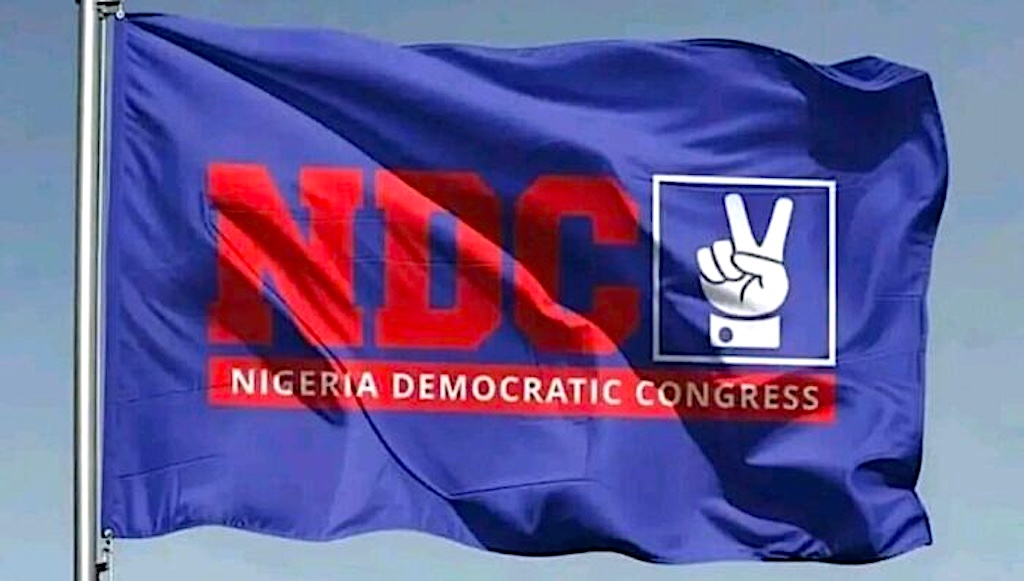
The Nigeria Democratic Congress (NDC) is embroiled in a significant legal battle following a Federal High Court ruling that voided its registration as a political party. This decision, which set aside an earlier judgment compelling the Independent National Electoral Commission (INEC) to register the NDC, has sparked strong condemnation from NDC lawmakers. They allege a "judicial coup" and a calculated effort to undermine opposition forces ahead of the 2027 general elections. The controversy highlights critical issues surrounding political party registration, judicial independence, and the integrity of Nigeria's electoral framework, with the NDC vowing to pursue all available legal avenues, including appeals, to overturn the judgment and restore its legal status.
Introduction
The political landscape in Nigeria has been significantly stirred by a recent Federal High Court ruling that effectively nullified the registration of the Nigeria Democratic Congress (NDC) as a political party. This judgment, delivered in Lokoja, Kogi State, on June 26, 2026, set aside a previous court order that had compelled the Independent National Electoral Commission (INEC) to register the NDC. The decision has drawn sharp criticism from NDC lawmakers, who have vehemently condemned it as a "judicial coup" and a deliberate attempt to weaken opposition parties in the run-up to the 2027 general elections.
This development is not merely an administrative setback for one political party but raises profound questions about the independence of the judiciary, the sanctity of electoral processes, and the constitutional right to freedom of association in Nigeria. The NDC's immediate pledge to challenge the ruling through all legal avenues underscores the high stakes involved, as the outcome could redefine the parameters of political competition and the role of the courts in shaping Nigeria's democratic future. This article delves into the legal intricacies of the ruling, its implications for political parties, and the broader context of electoral jurisprudence in Nigeria.
Background
The registration and regulation of political parties in Nigeria are governed primarily by the 1999 Constitution of the Federal Republic of Nigeria (as amended) and the Electoral Act, 2022. Section 40 of the 1999 Constitution guarantees every person the right to assemble freely and associate with others, including forming or belonging to any political party. However, this right is not absolute and is subject to the powers conferred on INEC by the Constitution.
Sections 221 to 229 of the 1999 Constitution outline conditions for the formation, registration, and operation of political parties, including requirements for national officers, open membership, registered constitutions, and adherence to the federal character principle. The Electoral Act, 2022, further elaborates on these requirements, empowering INEC to register political associations that comply with both the Constitution and the Act. Notably, the Electoral Act 2026, which has been referenced in some discussions, introduced significant changes, such as removing the 'deemed registration' provision and fixing a high administrative fee for registration, thereby strengthening INEC's regulatory gatekeeping power. INEC is constitutionally mandated to organize, undertake, and supervise elections, as well as to register and monitor political parties. The Commission also possesses the power to deregister political parties that fail to meet specific constitutional thresholds, such as winning elective positions or a certain percentage of votes, as stipulated in Section 225A of the 1999 Constitution.
Analysis
The Federal High Court's decision to void the NDC's registration stems from an application by the Peace Movement Party (PMP), which argued that it was a necessary party to the original suit that compelled INEC to register the NDC in December 2025. Justice Isah Dashen, presiding over the Federal High Court in Lokoja, upheld the PMP's application, ruling that the omission of relevant parties rendered the earlier judgment constitutionally defective and thus null and void. This effectively restored the status quo ante, meaning the NDC is no longer recognized as a registered political party unless the ruling is overturned on appeal or it secures fresh registration.
The NDC's condemnation of the ruling as a "judicial coup" and an alleged plot against the opposition highlights a recurring tension in Nigerian electoral jurisprudence. This sentiment is amplified by the fact that the Federal High Court in Abuja recently ordered the deregistration of five other political parties—African Democratic Congress (ADC), Accord Party, Action Alliance, Action Peoples Party, and Zenith Labour Party—for allegedly failing to meet constitutional requirements under Section 225A of the 1999 Constitution. While INEC has the power to deregister parties under specific conditions, the judiciary's role in initiating or affirming such deregistration, especially in the lead-up to general elections, often attracts scrutiny regarding its independence and impartiality.
Legal practitioners will note the procedural aspect of the NDC case, where a judgment was set aside due to the non-joinder of a necessary party. This underscores the importance of proper party joinder in litigation, particularly in matters with broad public and political implications. The NDC has since filed an appeal and an application for a stay of execution, asserting that it remains a legally recognized party and has already submitted its candidates to INEC. This appellate process will test the legal grounds for setting aside the initial registration order and the broader interpretation of constitutional provisions relating to party registration and deregistration. The Supreme Court has previously affirmed INEC's power to deregister parties that fail to meet constitutional requirements, as seen in cases like *National Unity Party (NUP) v. INEC* (2021), but the specific circumstances of each case, particularly concerning procedural fairness and due process, remain critical.
The allegations of a coordinated attempt to weaken opposition forces before the 2027 elections, as voiced by NDC lawmakers, point to concerns about the weaponization of legal processes. Such claims, while political in nature, often find their way into legal arguments concerning judicial bias or abuse of court process. The judiciary's role in safeguarding democratic space and ensuring a level playing field for all political actors is paramount, and rulings that appear to disproportionately affect opposition parties are likely to be met with strong resistance and extensive legal challenges. The ongoing appeals in both the NDC case and the deregistration of the five other parties will be crucial in clarifying the legal boundaries of party regulation and judicial intervention in electoral matters.
Conclusion
The Federal High Court's ruling voiding the NDC's registration presents a significant challenge to the party and has broader implications for Nigeria's democratic process. For legal practitioners, this case highlights the critical importance of meticulous adherence to procedural rules, particularly concerning party joinder, in electoral litigation. The swift appeal by the NDC, coupled with its application for a stay of execution, demonstrates the party's commitment to exhausting all legal avenues, emphasizing that the battle for political legitimacy often extends beyond administrative processes into the courtroom.
Looking ahead, the appellate courts' decisions on this matter, and similar cases involving the deregistration of other parties, will be closely watched. These rulings will not only determine the fate of the affected political parties but also shape the perception of judicial independence and the credibility of the electoral framework as Nigeria approaches the 2027 general elections. Practitioners should anticipate an intensified focus on constitutional compliance, fair hearing principles, and the scope of judicial review in political party matters, advising their clients to build robust legal strategies that account for the heightened scrutiny and potential for protracted litigation in the current political climate.
Citations
- 1.1999 Constitution of the Federal Republic of Nigeria (as amended)
- 2.Electoral Act, 2022
- 3.National Unity Party (NUP) v. Independent National Electoral Commission (INEC) (2021)
- 4.Premium Times Nigeria, "NDC lawmakers condemn court ruling voiding party registration, allege plot against opposition" (June 26, 2026)
- 5.Premium Times Nigeria, "Peter Obi speaks on court ruling voiding NDC's registration" (June 26, 2026)
- 6.Premium Times Nigeria, "UPDATED: Court orders deregistration of ADC, Accord, three other parties" (June 15, 2026)
- 7.The Nation Newspaper, "NDC flagsoff digital membership registration portal" (March 16, 2026)
- 8.The Sun Nigeria, "Legal limbo over court verdict on deregistration of political parties" (June 17, 2026)
- 9.YouTube, "Nigeria Court Overturns NDC Registration Ruling in Lokoja" (June 29, 2026)
- 10.YouTube, "NDC REACTS TO COURT NULLIFYING ITS REGISTRATION" (June 30, 2026)
- 11.Wansom AI, "NDC lawmakers condemn court ruling voiding party registration, allege plot against opposition" (June 26, 2026)
- 12.Leadership Newspapers, "NDC Appeals Deregistration Ruling, Senior Lawyers Raise Jurisdiction Questions" (June 27, 2026)
- 13.The Guardian Nigeria News, "NDC launches digital membership portal," (March 17, 2026)
- 14.YouTube, "NDC Appeals Court Ruling On Deregistration, Says Portal Open For Candidates" (June 30, 2026)
- 15.YouTube, "ADC Rejects Court Ruling on Party Deregistration" (June 16, 2026)
- 16.Policy and Legal Advocacy Centre (PLAC), "Electoral Act Series - Part 5 REGISTRATION OF POLITICAL PARTIES AND JUDICIAL SAFEGUARDS" (March 01, 2026)
How does this affect your business?
Get an AI analysis of this article grounded in your jurisdictions, practice areas, and any policy documents you've uploaded to Wansom.