
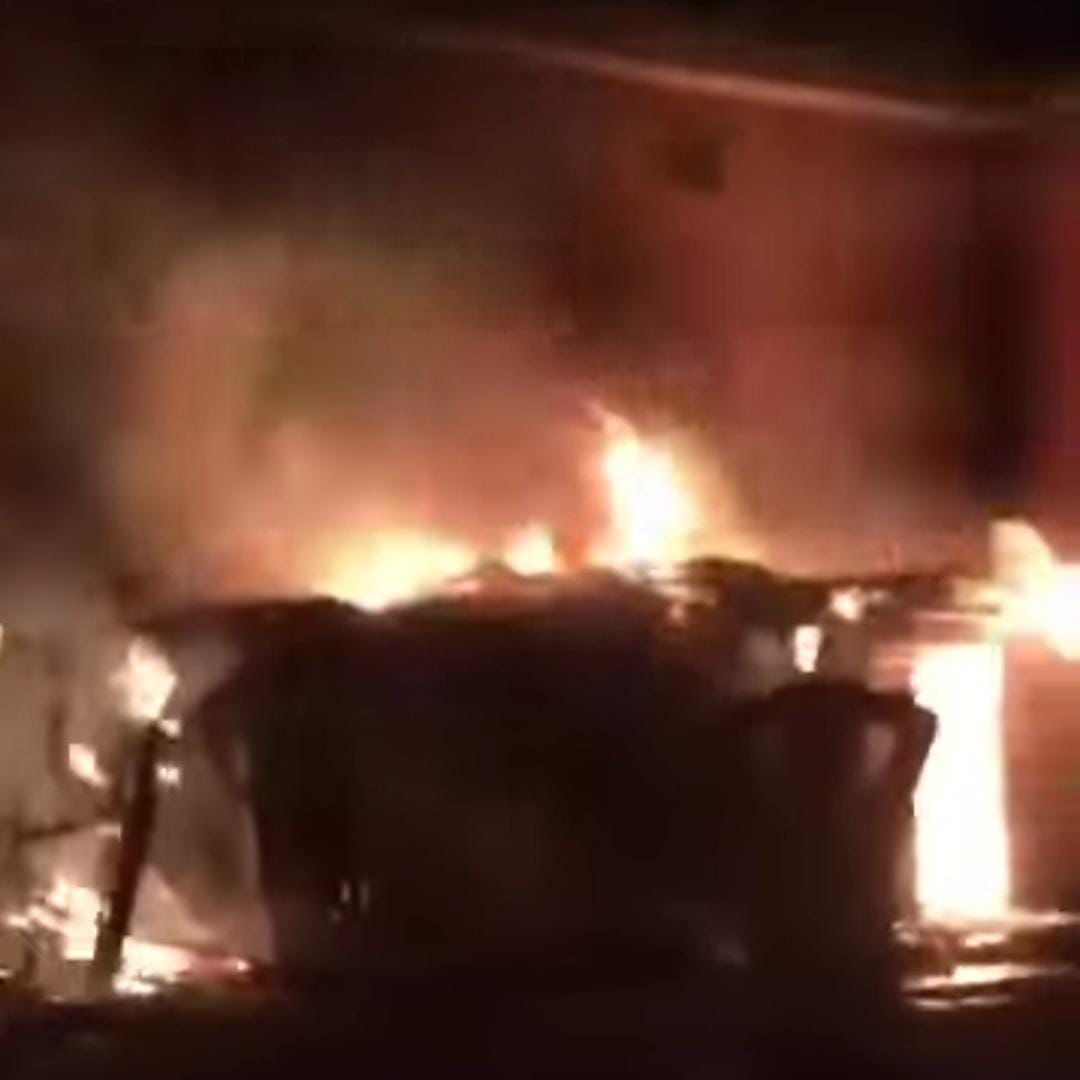
Fire razes plastic store in Osogbo
Abstract
A recent fire incident at Iyanu Plastic store in Osogbo, resulting in significant property loss, underscores critical legal considerations for businesses and property owners in Nigeria. This article examines the multi-faceted legal framework governing fire incidents, including statutory duties under the Fire Service Act, fire safety regulations within the National Building Code and National Fire Safety Code, and the mandatory insurance requirements stipulated by the Insurance Act 2003 (now largely superseded by the Nigerian Insurance Industry Reform Act, 2025). It further delves into potential liabilities under the Occupiers' Liability Act and the Criminal Code for arson or negligence, highlighting the imperative for robust compliance, comprehensive insurance coverage, and proactive risk management to mitigate legal and financial repercussions.
Introduction
The recent conflagration that engulfed Iyanu Plastic, a prominent store in Osogbo, resulting in the destruction of property worth millions of naira, serves as a stark reminder of the inherent risks faced by commercial enterprises. Such incidents, while tragic, invariably trigger a complex web of legal questions concerning liability, regulatory compliance, and the adequacy of risk mitigation strategies. For legal practitioners advising businesses in Nigeria, understanding the intricate interplay of statutes and common law principles governing fire outbreaks is paramount.
This article aims to provide a comprehensive overview of the legal landscape surrounding fire incidents in Nigeria, drawing on relevant legislation and judicial pronouncements. It will explore the duties imposed on property owners and occupiers, the role of insurance in cushioning losses, and the potential for both civil and criminal liabilities. The Osogbo incident, involving a plastic store, also brings into focus environmental regulations pertaining to the storage of combustible materials, adding another layer of complexity to the legal analysis. The overarching thesis is that proactive adherence to safety standards and robust insurance frameworks are not merely best practices but essential legal obligations for business continuity and risk management in the Nigerian context.
Background
The legal framework governing fire safety and liability in Nigeria is multi-layered, drawing from federal and state legislation, as well as common law principles. At the federal level, the **Fire Service Act (Cap F29, Laws of the Federation of Nigeria 2004)** establishes the Federal Fire Service and outlines its responsibilities for firefighting, fire prevention, and rescue operations. While this Act, originally enacted in 1963, has been deemed outdated by some, it remains the primary legislation for national fire safety initiatives, with state-level fire services complementing its provisions.
Complementing the Fire Service Act are comprehensive safety standards. The **National Building Code (2006)** sets minimum requirements for fire safety in building design, construction, and maintenance, encompassing aspects like fire-resistant materials, emergency exits, and the installation of fire detection and suppression systems. Further guidance is provided by the **National Fire Safety Code (2013)**, which details essential components for fire prevention, building design, detection systems, and emergency response, emphasizing the importance of regular inspections and training. Beyond these, the **Occupiers' Liability Act** imposes a statutory duty of care on those in control of premises to ensure the reasonable safety of lawful visitors, extending to customers and users. This duty is crucial in determining liability for injuries or damages arising from unsafe premises, including those caused by fire.
Analysis
A fire incident like the one at Iyanu Plastic store immediately raises questions of liability. The owner of the premises, or the occupier (who may not necessarily be the owner but has control over the premises), owes a common duty of care to all lawful visitors to ensure their reasonable safety. A breach of this duty, particularly through negligence in maintaining fire safety systems or adhering to building codes, can lead to civil claims for damages. The **Companies and Allied Matters Act (CAMA 2020)**, which governs corporate entities, would define the legal personality and liability structure of the business, impacting how claims are pursued.
Insurance plays a pivotal role in mitigating the financial impact of such disasters. The **Insurance Act 2003**, now largely superseded by the **Nigerian Insurance Industry Reform Act, 2025 (NIIRA 2025)**, mandates certain insurance covers. Specifically, Section 65(1) of the Insurance Act 2003 required owners or occupiers of public buildings to insure against hazards such as collapse, fire, earthquake, storm, and flood. A “public building” is broadly defined to include any building where members of the public have ingress and egress for business transactions, making it highly probable that a plastic store would fall under this category. Non-compliance with these mandatory insurance provisions carries penalties, including fines and imprisonment. NIIRA 2025 has further strengthened these requirements, introducing new compulsory classes like Occupiers' Liability Insurance (Section 76) and Builders' Liability Insurance (Section 75) for multi-floor buildings, and increasing penalties for non-compliance.
Beyond civil liability, criminal charges may arise if the fire was intentionally set or resulted from gross negligence. Sections 443 to 446 of the **Criminal Code Act (Cap C38, Laws of the Federation of Nigeria 2004)** address arson, making it a felony punishable by life imprisonment for wilfully setting fire to a building, with attempts carrying a fourteen-year sentence. Investigations into the cause of the fire are therefore critical to ascertain whether criminal intent or severe negligence was a factor. Furthermore, the nature of the business—a plastic store—introduces environmental considerations. The **National Environmental Standards and Regulations Enforcement Agency (NESREA)** has regulations for plastic waste management, and while the immediate focus is on the fire, the storage of large quantities of combustible plastic materials could potentially lead to regulatory scrutiny regarding environmental compliance and safety protocols.
Practitioners must also be aware of the practical challenges in fire-related litigation, including proving the exact cause of the fire, establishing the extent of damages, and demonstrating a direct link between any alleged negligence and the loss suffered. The absence of proper maintenance logs, safety certificates, or records of fire drills can be detrimental in proving due diligence and may be interpreted as negligence. The evolving regulatory landscape, particularly with the recent NIIRA 2025, necessitates continuous monitoring by legal professionals to ensure clients remain compliant and adequately protected.
Conclusion
The fire at Iyanu Plastic in Osogbo serves as a potent reminder of the significant legal and financial exposures businesses face in Nigeria. For legal practitioners, this incident underscores the critical importance of advising clients on a holistic approach to risk management that integrates robust fire safety compliance with comprehensive insurance strategies. Businesses, particularly those dealing with combustible materials, must diligently adhere to the provisions of the Fire Service Act, the National Building Code, and the National Fire Safety Code, ensuring regular inspections, functional safety equipment, and well-drilled emergency procedures.
Furthermore, the mandatory insurance requirements under the **Nigerian Insurance Industry Reform Act, 2025**, particularly for public buildings and occupiers' liability, cannot be overstated. Failure to secure adequate coverage can expose businesses and their principals to severe financial penalties and legal liabilities. Practitioners should proactively review clients' insurance portfolios and compliance frameworks to mitigate risks of negligence claims, criminal charges, and regulatory sanctions. As Nigeria's regulatory environment continues to evolve, staying abreast of legislative updates and fostering a culture of proactive compliance will be paramount for safeguarding business interests and ensuring resilience against unforeseen disasters.
Citations
- 1.Fire Service Act (Cap F29, Laws of the Federation of Nigeria 2004)
- 2.National Building Code (2006)
- 3.National Fire Safety Code (2013)
- 4.Insurance Act 2003
- 5.Nigerian Insurance Industry Reform Act, 2025
- 6.Occupiers' Liability Act
- 7.Criminal Code Act (Cap C38, Laws of the Federation of Nigeria 2004)
- 8.Companies and Allied Matters Act (CAMA 2020)
- 9.National Environmental Standards and Regulations Enforcement Agency (NESREA)
How does this affect your business?
Get an AI analysis of this article grounded in your jurisdictions, practice areas, and any policy documents you've uploaded to Wansom.