
France bans alcohol at music festival events under red heatwave alert
Abstract
France has implemented a temporary ban on alcohol consumption at music festival events in departments under a red heatwave alert. This measure, primarily enforced by local prefects, aims to mitigate public health risks such as dehydration and heatstroke exacerbated by alcohol consumption during extreme temperatures. The ban, affecting the annual Fête de la Musique, underscores the French government's proactive approach to public safety in the face of escalating climate-related emergencies, balancing individual freedoms against the imperative to preserve emergency and healthcare services.
Introduction
As France grappled with an unprecedented heatwave, pushing temperatures towards record levels, the government took decisive action by banning alcohol at certain events during the annual Fête de la Musique. This national celebration, which traditionally draws millions to the streets across France, found itself subject to significant restrictions in departments placed under the most severe 'red heatwave alert.' The measure, announced by the Prime Minister's office, directed prefects to issue decrees prohibiting public alcohol consumption and, in some instances, the sale of alcohol to take away.
This development is not merely a logistical adjustment for a popular festival; it represents a critical legal and public health response to environmental exigencies. It highlights the evolving landscape of administrative law, where public authorities are increasingly compelled to invoke broad police powers to safeguard collective well-being in the face of climate change impacts. The core legal question revolves around the extent of the state's authority to restrict individual liberties, such as the right to consume alcohol in public, when confronted with an immediate and widespread public health threat.
This article will delve into the legal framework underpinning such a ban in France, examining the powers vested in prefects and the proportionality of these measures. It will analyze the interplay between public order, health, and individual freedoms, offering insights into the implications for legal practitioners advising on event management and public gatherings in an era of increasing climate volatility.
Background
The legal authority for maintaining public order, safety, and salubrity in France is primarily vested in the *préfet* (prefect) at the departmental level and the *maire* (mayor) at the communal level. These powers are enshrined in the *Code Général des Collectivités Territoriales* (CGCT). Article L2215-1 of the CGCT grants the *préfet* the authority to take all necessary measures related to public salubrity, safety, and tranquility, particularly when the scope of such measures extends beyond a single commune or in situations where municipal authorities have not acted. This broad mandate allows prefects to issue *arrêtés préfectoraux* (prefectural decrees) to address specific local circumstances or emergencies.
While the *Code de la Santé Publique* (Public Health Code) contains general provisions regulating the sale and consumption of alcohol, particularly concerning minors and public intoxication, the recent alcohol ban during the heatwave stems more directly from the *préfet*'s general police powers to ensure public order and health. The 'red heatwave alert' is the highest warning level issued by Météo-France, signaling an extreme heat event with serious health consequences for the general population. This alert triggers a range of governmental measures and recommendations, including heightened vigilance, adaptation of public services, and, as seen in this instance, restrictions on activities that could exacerbate health risks.
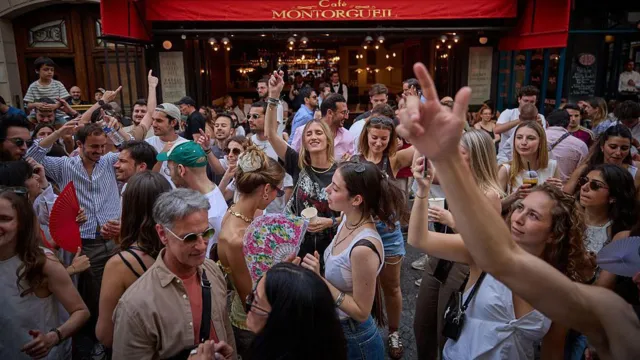
The Fête de la Musique, an annual nationwide celebration on June 21st, involves thousands of free concerts and public gatherings. Its decentralized and spontaneous nature often leads to widespread public consumption of alcohol. The combination of large crowds, prolonged exposure to high temperatures, and alcohol consumption significantly increases the risk of dehydration, heatstroke, and other heat-related emergencies, placing immense strain on emergency and healthcare services.
Analysis
The legal basis for the alcohol ban during the Fête de la Musique under a red heatwave alert rests firmly on the *préfet*'s powers to maintain public order and health. Article L2215-1 of the *Code Général des Collectivités Territoriales* empowers the *préfet* to take measures concerning public salubrity, safety, and tranquility, especially when the situation's scope transcends a single commune or in urgent circumstances. The Prime Minister's office explicitly directed prefects in red-alert departments to issue decrees banning alcohol consumption in public spaces, underscoring the centralized coordination of this public health response.
The measure's proportionality is a key consideration in administrative law. French administrative courts typically scrutinize restrictions on fundamental freedoms to ensure they are necessary, appropriate, and proportionate to the public interest pursued. In this context, the government's justification for the ban was clear: to "preserve emergency and healthcare services and allow medical staff to focus on caring for the most vulnerable" by mitigating the health burden of heat-related emergencies exacerbated by alcohol. Alcohol consumption is known to promote dehydration and impair the body's ability to regulate temperature, making its prohibition a direct response to a severe public health risk during extreme heat.
Notably, the ban was not absolute. While public consumption and, in many affected areas, the sale of alcohol to take away were prohibited, consumption on the terraces of duly authorized bars, cafés, and restaurants generally remained permissible. This distinction reflects an attempt to balance public safety with economic considerations and the principle of proportionality, targeting the highest-risk scenarios (uncontrolled public consumption in crowded, hot environments) while allowing regulated commercial activity. The temporary and localized nature of the ban, applying only to departments under red alert and for the duration of the festival, further supports its proportionality.
However, the implementation was not without its challenges and criticisms. Some restaurateurs expressed difficulty understanding the "improvisation" of the government's decision and the practicalities of enforcing such a ban in crowded streets, particularly concerning the distinction between terrace and public consumption. This highlights the operational complexities of rapidly deploying public order measures in response to unforeseen environmental crises, even when legally justified.
Conclusion
The French government's decision to ban alcohol at music festival events under a red heatwave alert marks a significant precedent in administrative law, demonstrating the state's willingness to employ robust police powers to protect public health in the face of climate-induced emergencies. This measure, rooted in the *préfet*'s authority to maintain public order and safety, underscores a growing recognition of the severe public health risks posed by extreme weather events and the need for proactive governmental intervention.
For legal practitioners, this case offers crucial insights into the evolving scope of public authority during environmental crises. Event organizers and businesses involved in public gatherings must now factor extreme weather conditions and associated governmental restrictions into their planning and risk assessments. It is imperative to monitor meteorological alerts closely and understand the specific powers that local authorities, particularly prefects, may exercise to ensure public safety. As climate change continues to manifest in more frequent and intense heatwaves, similar measures are likely to become more common, requiring a flexible and informed approach to legal compliance and operational resilience for all stakeholders.
Citations
- 1.Article L2215-1 du Code Général des Collectivités Territoriales
- 2.Code de la Santé Publique
- 3.Arrêté préfectoral (specific to relevant departments, e.g., Paris Police Prefecture, Bas-Rhin Prefecture)
- 4.Prime Minister's Office statements (as reported by news agencies on June 20-21, 2026)