
GH Court Rejects Ex-Chief Justice Gertrude Torkornoo's Bid
Abstract
This article examines four prominent legal and governance issues recently dominating public discourse in Ghana: the ongoing legal challenges faced by former Chief Justice Gertrude Torkornoo following her removal from office; the contempt of court conviction and imprisonment of journalist Larry Dogbe; the significant international methamphetamine bust linked to Ghana; and the persistent calls for accountability against former Finance Minister Ken Ofori-Atta, encapsulated by the ‘Ken Must Go’ movement. These cases collectively highlight critical aspects of Ghana's constitutional framework, judicial independence, press freedom, efforts to combat transnational crime, and the mechanisms for public official accountability, offering a comprehensive overview for legal practitioners.
Introduction
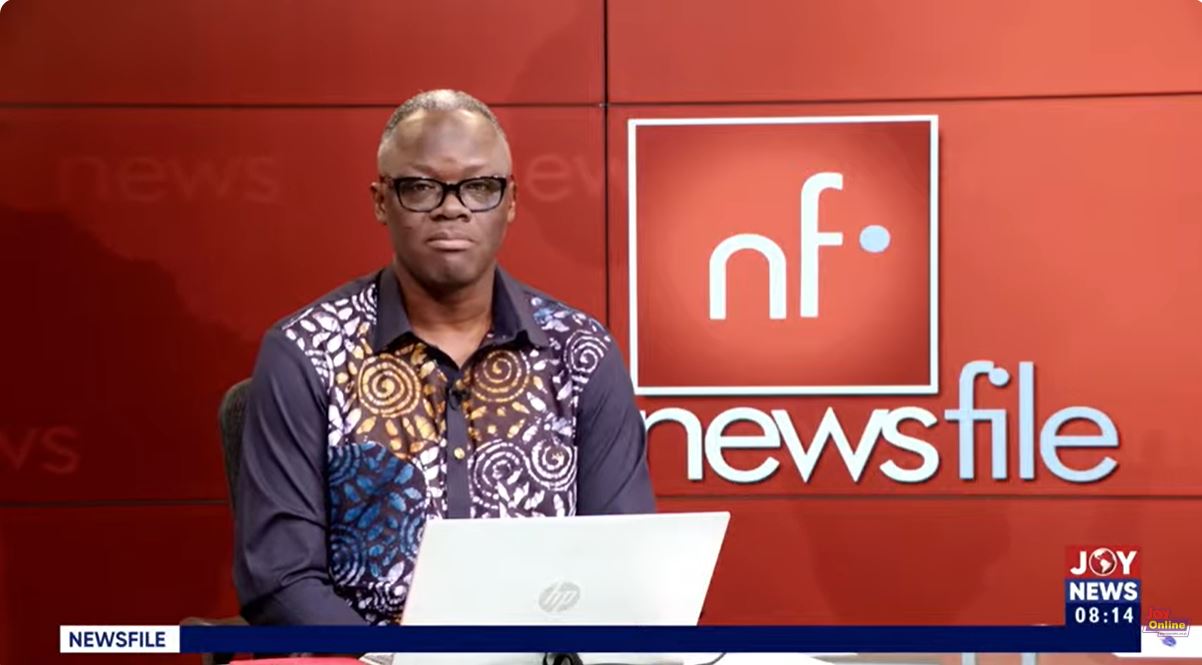
Ghana's legal and political landscape is currently animated by several high-profile cases that underscore fundamental principles of constitutionalism, justice, and governance. These matters, ranging from judicial accountability to press freedom and the fight against corruption and transnational crime, have captured national attention and sparked robust public debate. The upcoming discussion on Newsfile, a prominent Ghanaian current affairs program, signals the profound legal and societal implications of these developments.
This article delves into four such topical issues: the intricate legal battles surrounding former Chief Justice Gertrude Torkornoo's removal; the recent conviction of journalist Larry Dogbe for contempt of court; the international ramifications of a substantial methamphetamine seizure originating from Ghana; and the enduring 'Ken Must Go' campaign targeting former Finance Minister Ken Ofori-Atta. Each case presents unique legal complexities and challenges, reflecting the dynamic interplay between law, politics, and public interest in Ghana.
Through an analysis of these distinct yet interconnected legal narratives, this article aims to provide legal professionals with a comprehensive understanding of the underlying statutory frameworks, judicial interpretations, and broader implications for the rule of law in Ghana. These cases collectively serve as a barometer for the nation's commitment to democratic principles, transparency, and accountability across its key institutions.
Background
The legal issues under review are rooted in distinct statutory and doctrinal contexts. The case of former Chief Justice Gertrude Torkornoo stems from her suspension by President John Dramani Mahama in April 2025, following the submission of three petitions alleging misconduct and abuse of power. This unprecedented suspension, later upheld by the Supreme Court in May 2025, ultimately led to her removal from office. Her subsequent legal recourse included an application to the ECOWAS Community Court of Justice, where she contended that her removal violated her human rights under the African Charter on Human and Peoples' Rights. Domestically, she also filed an application at the Supreme Court of Ghana on June 23, 2026, seeking a review of a prior ruling related to her removal proceedings, citing a breach of natural justice. The removal of superior court judges in Ghana is governed by Article 146 of the 1992 Constitution, which outlines grounds such as "stated misbehaviour" or incompetence.
Journalist Larry Dogbe's recent imprisonment for contempt of court highlights the delicate balance between press freedom and judicial authority. On June 25, 2026, an Accra High Court sentenced Mr. Dogbe, the Managing Editor of The Herald newspaper, to seven days in prison. This conviction arose from a contempt application filed by businessman Kevin Okyere, who alleged that Dogbe had violated a subsisting court injunction. The injunction was issued in the context of a defamation suit, restraining publications deemed harmful to Okyere's reputation pending the final determination of the substantive case.
The international methamphetamine bust, valued at approximately US$208 million, underscores Ghana's role in combating transnational drug trafficking. In April 2026, Australian authorities intercepted about 320 kilograms of methamphetamine, concealed within charcoal bags, that had been shipped from Ghana. This significant seizure led to charges against three individuals in Australia, including a British actress. In Ghana, the Narcotics Control Commission (NACOC) responded by announcing the arrest of an alleged mastermind behind the shipment on June 24, 2026. Ghana's legal framework for drug offenses is primarily governed by the Narcotics Control Commission Act, 2020 (Act 1019), which prescribes severe penalties for drug trafficking, including a mandatory minimum of 10 years imprisonment.
The 'Ken Must Go' movement refers to the sustained public and parliamentary pressure for the removal and accountability of former Finance Minister Ken Ofori-Atta. In November 2022, the Minority Caucus in Parliament initiated a vote of censure motion against him under Article 82 of the 1992 Constitution, citing alleged economic mismanagement. Although the motion failed due to a walkout by the majority, preventing the requisite two-thirds vote, Ofori-Atta later faced 78 counts of corruption and corruption-related offenses from Ghana's Office of the Special Prosecutor (OSP). His current legal status is complicated by a recent decision by a US immigration court in June 2026, which granted his application for lawful permanent residency (Green Card) and terminated his removal proceedings, noting that Ghana's criminal charges were found "not credible" in that specific immigration context.
Analysis
The legal challenges surrounding former Chief Justice Gertrude Torkornoo's removal highlight critical aspects of judicial independence and constitutional due process. The ECOWAS Community Court of Justice's dismissal of her application on June 24, 2026, which sought US$10 million in damages for alleged human rights violations, affirmed that Ghana had not infringed upon her rights under the African Charter. This ruling, however, does not conclude her legal recourse, as she has also filed an application at the Supreme Court of Ghana. This domestic challenge focuses on a review of a May 28, 2026, ruling, arguing a breach of natural justice, specifically the *audi alteram partem* rule, due to the court proceeding in her lawyer's absence. The interpretation of "stated misbehaviour" under Article 146 of the 1992 Constitution, which governs the removal of superior court judges, remains a focal point, raising questions about the distinction between procedural legality and the broader legitimacy of such a high-profile removal.
Larry Dogbe's contempt conviction has ignited a significant debate on press freedom versus the sanctity of court orders. The Accra High Court's decision to jail him for violating an injunction in a defamation suit underscores the judiciary's power to enforce its directives. While Dogbe's defense of unawareness was rejected, the media community has voiced concerns that such rulings could stifle investigative journalism and the public's right to information, especially when reporting on matters involving powerful individuals. This case necessitates a careful examination of the balance between protecting individual reputations through defamation laws and injunctions, and upholding the constitutional guarantee of freedom of the press, as enshrined in Ghana's 1992 Constitution.
The US$208 million methamphetamine bust originating from Ghana illustrates the persistent challenges of combating transnational organized crime. The interception of such a large consignment in Australia, leading to arrests in both Australia and Ghana, highlights the need for robust international cooperation and enhanced border security measures. Ghana's Narcotics Control Commission Act, 2020 (Act 1019), provides a comprehensive legal framework for addressing drug offenses, imposing stringent penalties for trafficking. However, the sheer scale of this bust raises questions about the effectiveness of existing controls and the potential for sophisticated criminal networks to exploit loopholes, necessitating continuous review and strengthening of enforcement strategies and intelligence sharing.
The 'Ken Must Go' movement and the legal predicament of former Finance Minister Ken Ofori-Atta underscore the complexities of political accountability and the limitations of domestic legal processes when international jurisdictions are involved. The initial parliamentary vote of censure, though unsuccessful, demonstrated the constitutional mechanism available under Article 82 for holding ministers accountable. However, Ofori-Atta's subsequent charges by the Office of the Special Prosecutor for corruption-related offenses, coupled with his current status in the United States, present a unique challenge. The US immigration court's decision to grant him permanent residency, based on a finding that Ghana's criminal charges were "not credible" in that specific context, complicates Ghana's efforts for extradition. This situation highlights the distinct legal tracks of immigration and extradition and the strategic implications for Ghanaian authorities in pursuing accountability, potentially through mechanisms like a Worldwide Mareva Injunction to freeze assets globally.
Conclusion
The array of legal and governance issues currently under intense scrutiny in Ghana—from the constitutional implications of a Chief Justice's removal to the delicate balance of press freedom, the fight against international drug syndicates, and the pursuit of accountability for alleged corruption—collectively paint a vivid picture of the nation's ongoing efforts to strengthen its democratic institutions and uphold the rule of law.
For legal practitioners, these cases offer crucial insights into the application and interpretation of Ghana's 1992 Constitution, the Narcotics Control Commission Act, 2020 (Act 1019), and principles of contempt of court and natural justice. They underscore the increasing importance of understanding both domestic legal frameworks and the intricacies of international legal cooperation, particularly in matters involving extradition and transnational crime. The outcomes of these cases will undoubtedly set significant precedents, shaping future legal discourse and practice in Ghana. Practitioners should closely monitor the Supreme Court's decision in the Torkornoo review application, the ongoing investigations and prosecutions related to the methamphetamine bust, and any further legal strategies employed by the Ghanaian government in the Ken Ofori-Atta matter, as these developments will have lasting implications for judicial independence, media rights, and public accountability.
Citations
- 1.1992 Constitution of Ghana
- 2.Narcotics Control Commission Act, 2020 (Act 1019)
- 3.Pharmacy and Drugs Act 1961 (Act 64)
- 4.Adomonline.com. (June 25, 2026). Update: Real reason why Larry Dogbe was jailed.
- 5.Adomonline.com. (June 25, 2026). Larry Dogbe jailed.
- 6.CitiNewsroom.com. (June 24, 2026). ECOWAS Court dismisses Torkonoo's challenge against removal.
- 7.Democracy in Africa. (August 8, 2025). Ghana's Historic Chief Justice Suspension Reveals Judicial Fragility.
- 8.GhanaWeb. (October 28, 2022). Step-by-step process on how Ofori-Atta can be removed via vote of censure.
- 9.Graphic Online. (June 26, 2026). Torkornoo seeks Supreme Court review of ruling.
- 10.Graphic Online. (June 25, 2026). Editor of The Herald, Larry Dogbe jailed seven days for contempt of court.
- 11.Happy Ghana. (November 16, 2022). We don't need a hearing to remove Ofori-Atta - Lawyer.
- 12.Jurist.org. (January 29, 2026). From 'Ghana Beyond Aid' to US Detention: The Rise and Fall of Ken Ofori-Atta.
- 13.Jurist.org. (July 11, 2025). Ghana dispatch: Chief Justice Getrude Torkornoo challenges suspension in West African regional court.
- 14.Midday News (June 24, 2026). ECOWAS Court Throws Out Gertrude Torkornoo's Case Against Ghana.
- 15.Modern Ghana. (June 25, 2026). Media uproar as Court jails Herald Newspaper editor Larry Dogbe seven days for contempt in Kevin Okyere case.
- 16.MyJoyOnline Ghana. (June 21, 2026). How Methamphetamine Worth $208 Million Was Shipped from Ghana to Australia.
- 17.MyJoyOnline Ghana. (June 24, 2026). Prime suspect behind Australia's 320kg 'charcoal meth' bust arrested in Ghana.
- 18.MyJoyOnline Ghana. (June 19, 2026). British actress charged in US$208 million drug smuggled from Ghana.
- 19.MyJoyOnline Ghana. (June 19, 2026). Australia intercepts US$208m meth shipment from Ghana, three arrested.
- 20.MyJoyOnline Ghana. (June 23, 2026). $208m Meth Bust in Australia – Ghana-linked shipment sparks narcotics debate.
- 21.MyJoyOnline Ghana. (June 24, 2026). ECOWAS Court rejects Gertrude Torkornoo's case against Ghana.
- 22.MyJoyOnline Ghana. (June 26, 2026). The Continued Political Witch-Hunt Against Ken Ofori-Atta In The Media Is Nauseating.
- 23.MyJoyOnline Ghana. (June 27, 2026). “Law and politics run in parallel channels” — Barker-Vormawor on ECOWAS ruling in Torkornoo case.
- 24.Parliament of Ghana. (April 3, 2020). Parliament of Ghana passes historic new drug law, paving the way for a West African approach.
- 25.The Journal of Medicine, Law & Public Health. (June 8, 2023). Adjudication and Treatment of Narcotic Drug Offenders in Ghana.
- 26.The Herald Ghana. (June 26, 2026). When the Pen Is Imprisoned: The Jailing of Larry Dogbe and the Threat to Press Freedom in Ghana.
- 27.The Law is Not for the Poor Alone: How Ghana Can Freeze Ken Ofori-Atta's Global Wealth Right Now. (June 25, 2026).
- 28.The Ken Ofori-Atta Matter: Permanent Residency, U.S. Citizenship, and Extradition. (June 18, 2026).
- 29.Tripbase. (June 21, 2026). Drug & Alcohol Laws in Ghana — Penalties & What's Legal.
- 30.TV3's KeyPoints. (June 27, 2026). Beyond the Torkornoo Case: Law, Legitimacy and Constitutional Refinement.
- 31.YEN.COM.GH. (June 17, 2026). Why Embattled Former Chief Justice Gertrude Torkornoo is in Line For an Appointment From Mahama.
How does this affect your business?
Get an AI analysis of this article grounded in your jurisdictions, practice areas, and any policy documents you've uploaded to Wansom.