
Global leaders back new framework for AI governance at Shanghai Summit
Abstract
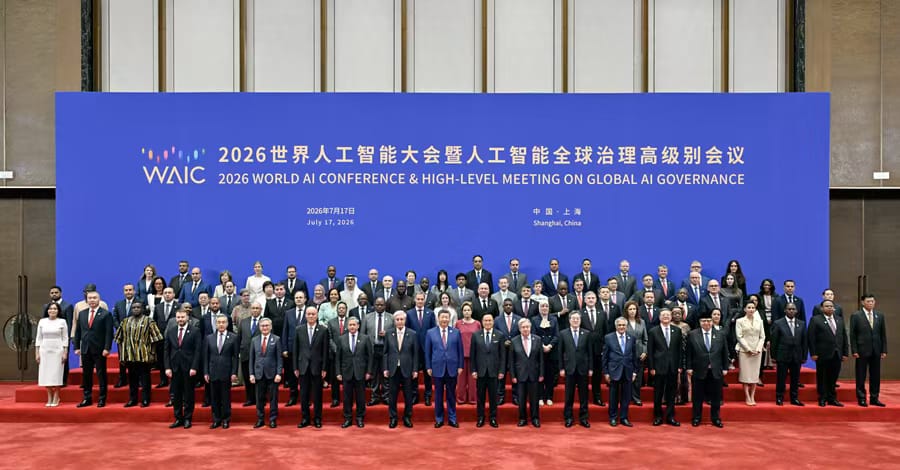
Global leaders have endorsed a new framework for AI governance at the recent World Artificial Intelligence Conference (WAIC) and High-Level Meeting on Global AI Governance in Shanghai. The conference, held under the theme 'AI for All', aimed to promote international cooperation to ensure that artificial intelligence drives inclusive development while addressing concerns over security, ethics, and unequal access to emerging technologies. The leaders emphasized the need for stronger international cooperation to address these issues and ensure that AI benefits all nations equally.
Introduction
The recent Shanghai Summit has marked a significant milestone in the global effort to establish a framework for artificial intelligence governance. The conference brought together leaders from around the world to discuss the opportunities and challenges presented by AI, with a focus on promoting inclusive development and addressing growing concerns over security, ethics, and unequal access to emerging technologies. This article will examine the key takeaways from the summit and their implications for the global community.
Background
The use of artificial intelligence has become increasingly prevalent in recent years, transforming industries and revolutionizing the way we live and work. However, as AI continues to advance, concerns over its impact on society have grown. Issues such as bias, job displacement, and unequal access to emerging technologies have raised questions about the ethics and governance of AI. In response to these challenges, governments and international organizations have begun to develop frameworks for AI governance, with a focus on promoting responsible innovation and ensuring that AI benefits all nations equally.
Analysis
The endorsement of a new framework for AI governance at the Shanghai Summit represents a significant step forward in the global effort to address the challenges presented by AI. The emphasis on international cooperation is particularly noteworthy, as it recognizes that AI is a global issue that requires a collaborative response. By working together, nations can ensure that AI drives inclusive development and addresses growing concerns over security, ethics, and unequal access to emerging technologies. However, much work remains to be done to develop and implement effective frameworks for AI governance.
Conclusion
The Shanghai Summit has marked an important milestone in the global effort to establish a framework for artificial intelligence governance. As nations continue to grapple with the challenges presented by AI, it is clear that stronger international cooperation will be essential to ensuring that AI benefits all nations equally. Practitioners and policymakers must now work together to develop and implement effective frameworks for AI governance, prioritizing responsible innovation and inclusive development.
How does this affect your business?
Get an AI analysis of this article grounded in your jurisdictions, practice areas, and any policy documents you've uploaded to Wansom.