
Govt Pays Out Sh 49.8 Million To 187 Human-Wildlife Conflict Victims in Kajiado
Briefly Analysis
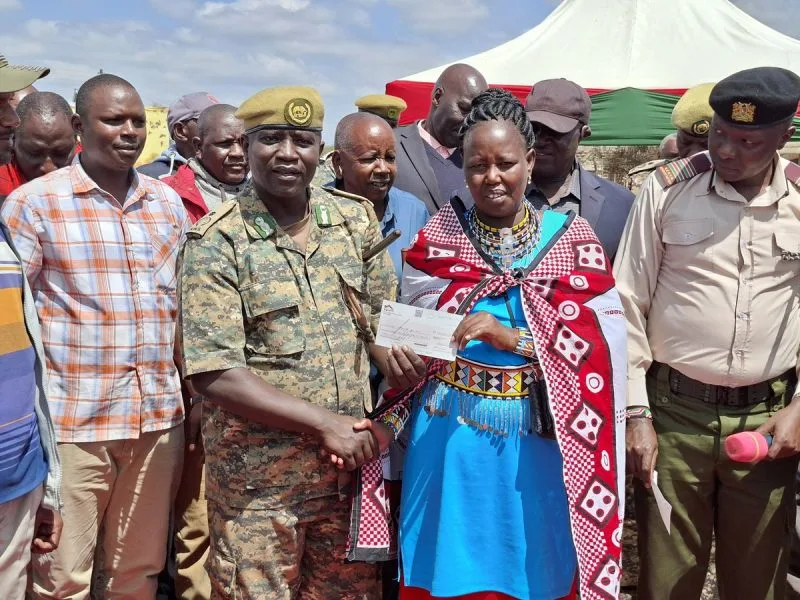
The Kenyan government has disbursed Sh49.8 million to 187 victims of human-wildlife conflict in Kajiado County, a move that highlights the ongoing administrative and legal efforts to address the socio-economic impacts of wildlife conservation. This compensation process is governed by the Wildlife Conservation and Management Act, which provides a statutory framework for the government to indemnify individuals for loss of life, injury, or property damage caused by wildlife. The disbursement is managed by the Kenya Wildlife Service (KWS) in conjunction with the Ministry of Tourism and Wildlife, reflecting a structured, albeit often delayed, administrative process for claims resolution.
From a legal perspective, this development is significant because it addresses the tension between conservation mandates and the constitutional right to property and personal security. The Wildlife Conservation and Management Act has been subject to various amendments aimed at streamlining the compensation process, which has historically been plagued by bureaucratic bottlenecks and litigation. For practitioners, this case illustrates the importance of navigating the administrative law requirements for filing claims, including the strict evidentiary standards required to prove that the damage was indeed caused by wildlife and the adherence to statutory timelines for submission.
Attorneys representing victims or community groups should note that while the government is fulfilling its statutory obligations, the process remains highly administrative. Practitioners should ensure that their clients maintain comprehensive documentation, including police reports, medical records, and KWS verification reports, to substantiate their claims. Furthermore, as the government continues to refine its compensation policies, legal professionals should monitor for any new regulations or policy shifts that might affect the valuation of claims or the eligibility criteria for compensation. This ongoing effort to settle claims is a critical component of maintaining the social license for conservation, and it provides a clear pathway for legal redress for affected communities.