
Group calls for review of GMO approval in Nigeria
Abstract
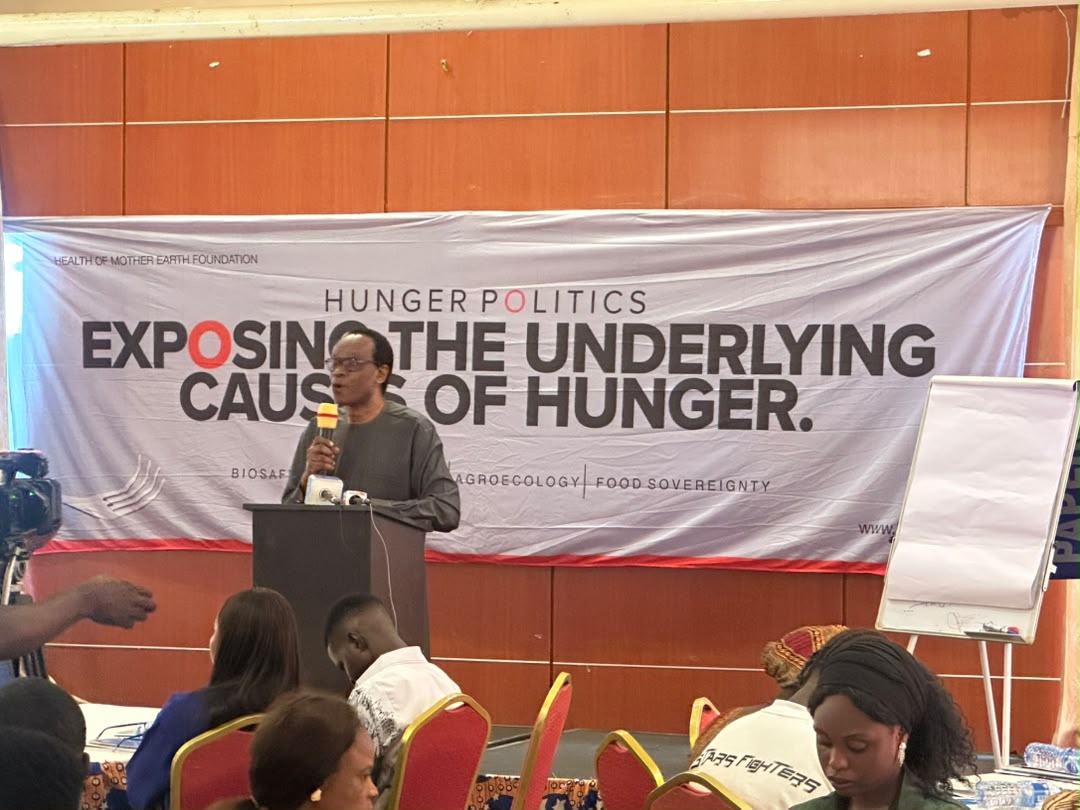
A coalition of Nigerian civil society organisations, environmental groups, and agricultural advocates has called for an immediate suspension of new Genetically Modified Organism (GMO) approvals and an independent review of existing ones. This demand stems from profound concerns regarding biosafety, public health, biodiversity, and the rights of farmers. The National Biosafety Management Agency (NBMA) Act, 2015, as amended, provides the regulatory framework for GMOs in Nigeria, mandating rigorous risk assessments and public participation. However, critics argue that the current implementation lacks transparency, independent oversight, and adequate consideration for long-term socio-economic and environmental impacts. This article examines the legal and regulatory landscape surrounding GMOs in Nigeria, the specific concerns raised by the advocacy groups, and the potential implications of their call for a comprehensive review.
Introduction
Nigeria's agricultural landscape is currently at a critical juncture, marked by a growing debate over the adoption and regulation of Genetically Modified Organisms (GMOs). Recently, a coalition of environmental, agricultural, and civil society organisations issued a strong call for the Nigerian government to suspend further approvals of GMOs and initiate an independent review of existing permits. This demand highlights deep-seated concerns over biosafety, public health, biodiversity, and the fundamental rights of farmers, underscoring a significant tension between agricultural innovation and environmental stewardship in the nation.
The increasing commercialisation of GM crops, such as Bt Cotton, Bt Cowpea, and TELA Maize, has been championed by proponents as a pathway to enhanced food security and increased yields. However, critics argue that the current regulatory framework and its implementation by the National Biosafety Management Agency (NBMA) may not adequately address the complex risks associated with these technologies. This article delves into the legal and regulatory underpinnings of GMO approval in Nigeria, scrutinises the specific concerns articulated by advocacy groups, and explores the potential legal and practical ramifications of their call for a comprehensive and independent review.
Background
The regulatory framework for modern biotechnology and genetically modified organisms in Nigeria is primarily governed by the National Biosafety Management Agency (NBMA) Act, 2015, which was subsequently amended in 2019. This Act established the NBMA as the competent national authority responsible for providing a regulatory framework, institutional, and administrative mechanisms to ensure safety measures in the application of modern biotechnology. The core objective of the NBMA is to prevent any adverse effects on human health, animals, plants, and the environment, while also considering socio-economic and cultural interests.
The NBMA Act outlines a detailed process for the approval of GMOs, whether for importation, production, or commercialisation. This process includes mandatory risk assessment, public display of applications for a 21-day public notice period, and the potential for public hearings to gather comments and inputs. Applications are rigorously screened and reviewed by a National Biosafety Committee and a Technical Sub-Committee, comprising scientists and experts from various fields. Nigeria is also a signatory to the Cartagena Protocol on Biosafety, which further obliges the country to implement appropriate biosafety regulations to mitigate risks to biodiversity and human health. Since its establishment, the NBMA has approved the commercial release of several GM crops, including Bt Cotton (approved in 2016/2018), Bt Cowpea (approved in 2019), and TELA Maize (approved in 2021/2024).
Analysis
Despite the existence of a statutory framework, the recent call for a review of GMO approvals highlights significant perceived gaps and contradictions in Nigeria's biosafety governance. Advocacy groups contend that the approval process often lacks sufficient public consultation, independent long-term risk assessments, and effective post-release monitoring. A key criticism is the alleged absence of publicly available peer-reviewed risk assessments, which undermines transparency and public trust in the NBMA's decisions.
Concerns over biosafety extend to the potential for genetically engineered crops to contaminate indigenous seed varieties through cross-pollination, thereby threatening Nigeria's rich biodiversity and farmers' ability to save and reuse seeds. This directly impacts farmers' rights and raises questions about food sovereignty, particularly given Nigeria's status as a centre of origin for crops like cowpea. Furthermore, the lack of mandatory labelling for foods produced from genetically modified ingredients is a significant point of contention, as it prevents consumers from making informed choices and undermines accountability in the food system.
Critics also point to structural issues within the NBMA Act, 2015 (as amended 2019), arguing that it contains loopholes that prevent adequate safeguarding of public health and interests. For instance, the composition of the NBMA's governing board has been criticised for including GMO promoters, such as the National Biotechnology Development Agency (NABDA), without adequate representation for farmers or consumers. There are also concerns that the Act deviates from the basic tenets of "Liability and Redress" explicitly defined in the Cartagena Protocol, instituting a fault-based liability system that places a heavy burden of proof on petitioners. Moreover, the NBMA has been accused of exercising excessive discretionary powers and of approving GMOs in ways that may not conform to the Act's provisions or global best standards. An incident in March 2026, where the NBMA ordered the suspension of four new transgenic cotton hybrid varieties due to "serious compliance abnormalities" after they were allegedly registered without the agency's requisite approval, further fuels these concerns about regulatory oversight.
While proponents of GMOs often argue for their necessity in addressing food security, critics counter that this claim overlooks evidence suggesting that GM crops do not always outperform conventional varieties and can lead to issues like soil degradation, as reported by some Bt cotton farmers. They argue that Nigeria's food insecurity is better addressed by tackling underlying issues such as inadequate funding, insecurity, poor extension services, and rural infrastructure, rather than solely relying on biotechnology. The legal avenues for challenging NBMA decisions exist, allowing aggrieved applicants to appeal to the Board or the Federal High Court, but the effectiveness of these mechanisms in addressing systemic concerns remains a subject of debate.
Conclusion
The call for an independent review of GMO approvals in Nigeria underscores a critical need for a balanced and transparent approach to agricultural biotechnology. While the National Biosafety Management Agency Act, 2015 (as amended), provides a legal framework for regulating GMOs, the concerns raised by civil society groups highlight significant challenges in its implementation, particularly regarding biosafety, public health, biodiversity, and farmers' rights. Addressing these issues requires a robust re-evaluation of current practices, potentially leading to amendments in the regulatory framework to enhance transparency, ensure genuine public participation, and strengthen independent scientific oversight.
For legal practitioners, this evolving landscape presents several implications. Advising clients involved in agricultural biotechnology, whether developers, importers, or farmers, will necessitate a deep understanding of the NBMA Act and its potential interpretations, especially concerning risk assessment, liability, and intellectual property rights related to seeds. The increasing scrutiny also suggests a higher likelihood of litigation, including judicial reviews of NBMA decisions or actions challenging alleged non-compliance. Practitioners should closely monitor the government's response to these calls for review, any proposed legislative amendments, and the outcomes of ongoing debates, as these will significantly shape the future of agricultural biotechnology and food policy in Nigeria.
Citations
- 1.National Biosafety Management Agency Act, 2015
- 2.National Biosafety Management Agency (Amendment) Act, 2019
- 3.Premium Times Nigeria, "Group calls for review of GMO approval in Nigeria" (June 9, 2026)
- 4.ISAAA - AFRICENTER, "Nigeria approves Bt Cotton for Commercial Release; expected to boost Textile Industry" (August 3, 2018)
- 5.Alliance for Science, "Nigeria clears Bt cowpea for farmers' use" (December 12, 2019)
- 6.Genetic Literacy Project, "Landmark approval of GMO Bt insect-resistant cowpea leads Nigeria toward sustainable farming" (June 2, 2020)
- 7.USDA/FAS, "Nigeria Agricultural Biotechnology Annual - 2019 Nigeria Approves the Commercial Release of Bt. Pod-Borer Resistant Cowpea" (May 20, 2019)
- 8.ISAAA - AFRICENTER, "Prof. Ishayaku: Nigeria's Approval of Bt Cowpea Signifies Africa's Capacity to Adopt Biotech Crops" (February 19, 2019)
- 9.Alliance for Science, "Nigeria commercializes Bt cotton, its first GMO crop" (July 30, 2018)
- 10.The Guardian Nigeria News, "FG approves release of GMO crops in six years" (October 31, 2025)
- 11.National Biosafety Management Agency, "FEDERAL REPUBLIC OF NIGERIA GUIDELINE FOR THE IMPORTATION OF GENETICALLY MODIFIED ORGANISMS FOR FOOD FEED AND/OR PROCESSING (FFP)"
- 12.National Biosafety Management Agency, "NBMA REAFFIRMS STRICT APPROVAL PROCESS, WARNS OF SANCTIONS FOR GMO VIOLATIONS"
- 13.Afropolitain Magazine, "Group calls for review of GMO approval in Nigeria" (June 10, 2026)
- 14.Naija Election Watch, "Group calls for review of GMO approval in Nigeria" (June 9, 2026)
- 15.Premium Times Nigeria, "GMOs: Experts accuse Nigeria's biosafety regulator of not being transparent" (March 13, 2026)
- 16.YouTube, "GMO Debate Deepens as Experts Push for Agroecology and Biosafety Reforms" (June 11, 2026)
- 17.ResearchGate, "Legal Challenges in the Regulation of Agricultural GMOs in Nigeria" (May 7, 2020)
- 18.The Regulatory Regime of Genetically Modified Organisms (GMOS) in Nigeria and Its Implications on Relevant WTO Agreements | Kampala International University Law Journal (KIULJ)
- 19.Health of Mother Earth Foundation, "GMOS, Biosafety And Human Rights" (April 4, 2024)
- 20.Advocacy groups demand comprehensive review of GMO approvals in Nigeria (June 10, 2026)
- 21.A Review on Genetically Modified Crops in Nigeria: Evolution, Regulation, Ethical Considerations, and Pathways for Adoption. - IJARBS
- 22.USDA Foreign Agricultural Service, "Report Name:Government of Nigeria approved National Biosafety Guideline on Gene Editing" (February 8, 2021)
- 23.Regulatory provisions for post-release monitoring of genetically modified organisms in Africa
- 24.Experts Raise Fresh Concerns Over GMO Deployment In Nigeria, Demand Ban (March 11, 2026)
- 25.Rural 21, "GMOs IN NIGERIA – DO THE MASSES HAVE A CHOICE?"
How does this affect your business?
Get an AI analysis of this article grounded in your jurisdictions, practice areas, and any policy documents you've uploaded to Wansom.