
High court mysteries
Abstract
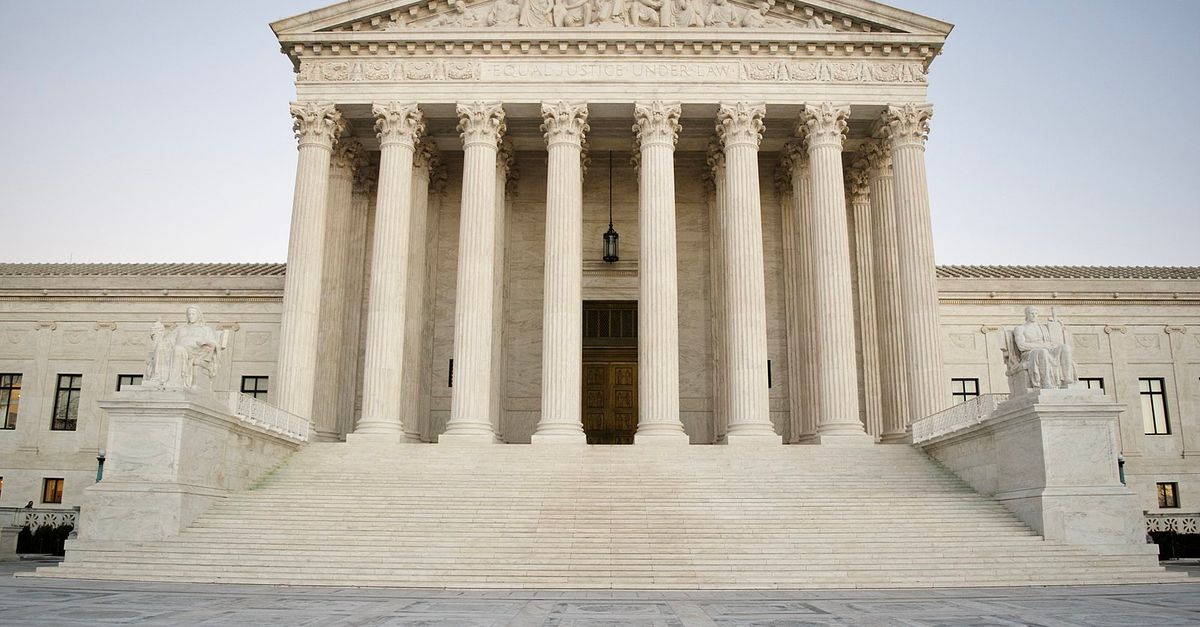
The United States Supreme Court, despite the increased public visibility of its Justices, remains an institution shrouded in procedural mysteries, particularly concerning the timing of its most significant rulings. This article explores the phenomenon of high-profile decisions being released at the very end of the Court's term, typically in late June or early July. It delves into the various theories behind this practice, ranging from the inherent complexity and divisiveness of such cases to strategic considerations aimed at managing public and media scrutiny. The article examines the implications of this lack of transparency for legal practitioners and the broader public, highlighting the ongoing debate surrounding judicial ethics and accountability within the nation's highest court.
Introduction
The United States Supreme Court, the apex of the federal judiciary, often presents a paradox: while individual Justices are increasingly visible through public appearances and published works, the Court's internal operations and decision-making processes frequently remain opaque. This tension between public visibility and institutional transparency is particularly evident in the Court's practice of releasing many of its most impactful and controversial decisions in the final weeks of its term, often just before the summer recess. This phenomenon, colloquially known as the “term end rush,” has become a predictable feature of the Court's calendar, prompting speculation and debate among legal professionals and the public alike.
This article aims to demystify some of these practices by exploring the reasons behind the clustering of major decisions at the term's close. It will delve into the statutory and doctrinal context governing the Court's operations, analyze the various theories posited for this timing, and discuss the implications for legal practitioners who must navigate the sudden influx of significant rulings. Ultimately, understanding these 'high court mysteries' is crucial for a more informed engagement with the Supreme Court's pivotal role in American jurisprudence.
Background
The Supreme Court's authority is rooted in Article III, Section 1 of the United States Constitution, which establishes "one Supreme Court." The federal judicial system, including the Supreme Court's structure and administration, is further governed by Title 28 of the U.S. Code, with Chapter 45 specifically outlining provisions for the Court's officers, such as the Clerk and Reporter. The Court's annual term officially begins on the first Monday in October and typically concludes in late June or early July of the following year.
During its term, the Court hears oral arguments from October through April, followed by periods of deliberation and opinion drafting. The Rules of the Supreme Court of the United States govern its procedures, including the filing of petitions for certiorari, the submission of briefs, and the conduct of oral arguments. While these rules dictate many aspects of the Court's functioning, they offer little specific guidance on the precise timing of opinion releases, beyond the general expectation that all opinions in argued cases are typically handed down by the last day of the term. This procedural flexibility allows for significant discretion in when decisions are announced, contributing to the perceived mysteries surrounding the Court's calendar.
Analysis
The clustering of significant decisions at the end of the Supreme Court's term is a well-observed pattern, with various theories attempting to explain it. One prominent explanation is the sheer complexity and divisiveness of the cases themselves. Major constitutional questions or highly contentious issues often involve extensive deliberation, multiple draft opinions, and considerable negotiation among the Justices to forge a majority and refine the legal reasoning. The process of drafting and circulating opinions, responding to concurrences and dissents, and securing final votes naturally takes more time for these challenging cases, pushing their release closer to the term's conclusion.
Another theory suggests a strategic element to the timing. Some observers believe that the Court may intentionally hold back controversial decisions until late June or early July to minimize the immediate public and media spotlight, allowing the Justices to disperse for their summer recess before intense scrutiny fully develops. This approach could be seen as a way to diffuse criticism or manage the political fallout from rulings that are expected to be unpopular with certain segments of the population. Historically, cases such as *Shelby County, Alabama v. Holder* (2013), which significantly altered the Voting Rights Act, and more recently, *Dobbs v. Jackson Women's Health Organization* (2022), overturning *Roe v. Wade*, were released in late June, sparking immediate and widespread reactions.
Furthermore, the internal dynamics of the Court play a role. The late Justice William Brennan reportedly attributed some of the urgency in releasing opinions to a superstition: once an opinion was ready, there should be no delay lest a Justice change their mind. While perhaps anecdotal, this highlights the delicate balance of votes and reasoning that can characterize closely divided cases. The Court's own website notes that unanimous decisions are typically released sooner than those with concurring and dissenting opinions, further supporting the idea that internal disagreements prolong the decision-making process. The lack of advance notice regarding which cases will be decided on a given "opinion day" further contributes to the mystery, requiring legal professionals and journalists to await announcements in real-time.
The broader issue of Supreme Court transparency extends beyond opinion timing. Critics often point to the absence of cameras in the courtroom, the private nature of certiorari votes, and the Justices' recusal practices as areas lacking sufficient openness. While the Court publishes its opinions and conducts oral arguments publicly, some argue that more transparency is needed to bolster public trust and confidence in the judiciary, particularly amidst concerns about perceived bias or politicization. Legislative efforts, such as the proposed Supreme Court Ethics and Investigations Act, reflect ongoing calls for greater accountability and a formal code of ethics for the Justices.
Conclusion
The Supreme Court's practice of reserving its most significant and often contentious decisions for the end of its term is a multifaceted phenomenon, driven by a combination of case complexity, internal deliberative processes, and potentially strategic considerations. While the Court's rules provide a framework for its operations, the specific timing of opinion releases remains largely within the Justices' discretion, contributing to an aura of mystery.
For legal practitioners, this 'term end rush' necessitates heightened vigilance and preparedness in late June and early July. Attorneys must be ready to rapidly analyze and advise clients on landmark decisions that can reshape legal landscapes across various fields, from constitutional law to administrative regulations. The ongoing debate surrounding judicial transparency and ethics suggests that while the Court's procedural mysteries may persist, calls for greater openness and accountability are likely to continue, urging the institution to balance its traditions with the public's demand for clarity and trust in its vital work.
Citations
- 1.28 U.S. Code Chapter 45
- 2.Rules of the Supreme Court of the United States
- 3.Shelby County, Alabama v. Holder, 570 U.S. 529 (2013)
- 4.Dobbs v. Jackson Women's Health Organization, 597 U.S. 215 (2022)
- 5.Brnovich v. Democratic National Committee, 594 U.S. ___ (2021)
- 6.Students for Fair Admissions v. Harvard, 600 U.S. ___ (2023)
- 7.Trump v. CASA, 600 U.S. ___ (2025)
- 8.West Virginia v. B. P. J., 601 U.S. ___ (2026)
- 9.National Republican Senatorial Committee v. Federal Election Comm'n, 601 U.S. ___ (2026)
- 10.Trump v. Barbara, 601 U.S. ___ (2026)
How does this affect your business?
Get an AI analysis of this article grounded in your jurisdictions, practice areas, and any policy documents you've uploaded to Wansom.