
How ministry corruption bloated Mpigi Expressway cost to Shs 2 trillion
Abstract
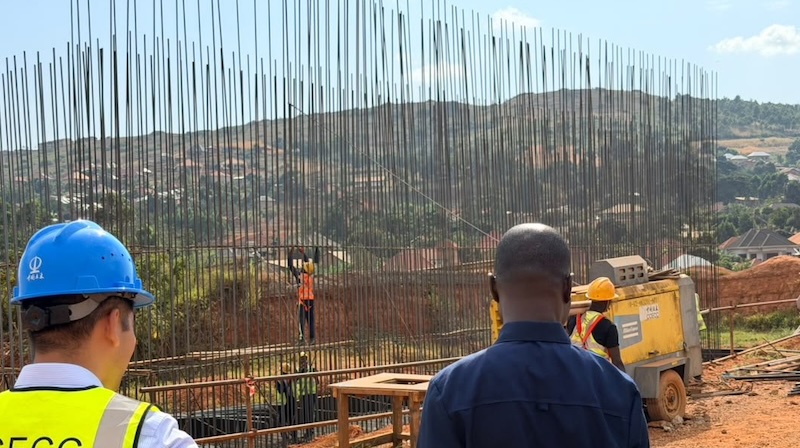
The Busega–Mpigi Expressway project in Uganda has seen its estimated cost balloon from Shs 600 billion to approximately Shs 2 trillion, according to Works and Transport Minister Fred Byamukama. The significant increase is attributed to various factors including project delays, design revisions, funding interruptions, and alleged corruption within the ministry. These developments raise concerns about transparency and accountability in public infrastructure projects.
Introduction
The escalating cost of the Busega–Mpigi Expressway project has sparked controversy in Uganda, with Works and Transport Minister Fred Byamukama attributing the increase to various factors including project delays, design revisions, funding interruptions, and alleged corruption within the ministry. This development is significant not only for its financial implications but also for the potential impact on public trust in government institutions. As a major infrastructure project, the Busega–Mpigi Expressway has been touted as a key driver of economic growth and development in Uganda.
Background
The Busega–Mpigi Expressway is a critical transportation infrastructure project aimed at improving connectivity between Kampala and other parts of western Uganda. The project's initial estimate was around Shs 600 billion, but the cost has now risen to approximately Shs 2 trillion due to various factors. While project delays and design revisions are common challenges in large-scale infrastructure projects, allegations of corruption within the ministry have raised concerns about transparency and accountability.
Analysis
In light of these developments, it is essential for government institutions to take immediate action to address the concerns raised by the escalating cost of the Busega–Mpigi Expressway project. This may involve conducting a thorough investigation into allegations of corruption within the ministry and implementing measures to prevent similar incidents in the future.
Conclusion
Practitioners and stakeholders should closely monitor the developments surrounding this project and advocate for greater transparency and accountability in public procurement processes.
How does this affect your business?
Get an AI analysis of this article grounded in your jurisdictions, practice areas, and any policy documents you've uploaded to Wansom.