
Impose extra tax on liquor, cigarettes: Supreme Court on fund shortage for toilets in courts
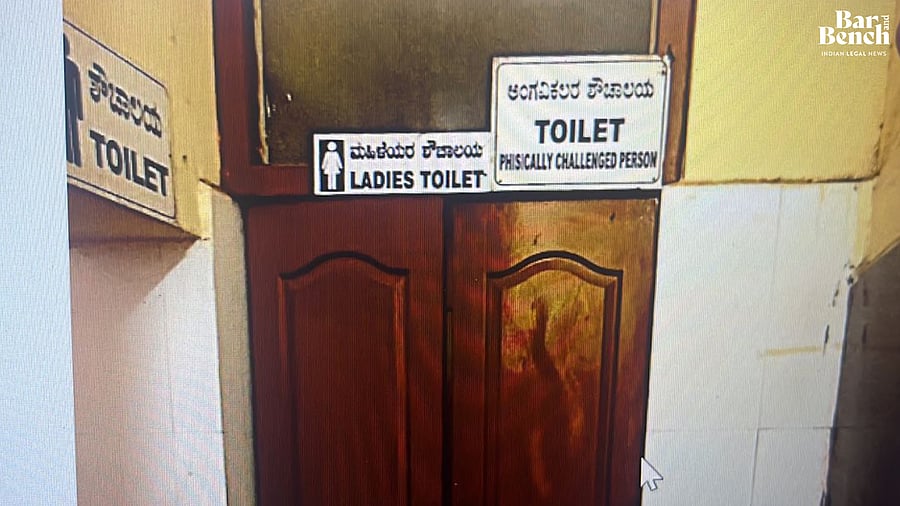
Abstract
The Supreme Court of India has directed a time-bound fact-finding exercise to assess the availability of washroom facilities in courts across the country. The court, while hearing a plea filed by women lawyers highlighting the lack of basic facilities, emphasized that governments cannot cite lack of funds as an excuse for denying sanitation facilities. To address this issue, the court suggested imposing an additional excise tax on liquor or cigarettes to generate resources for washroom facilities.
Introduction
The Supreme Court's recent direction to conduct a fact-finding exercise on washroom facilities in courts has brought attention to the long-standing issue of inadequate sanitation infrastructure in India's judicial system. The court's emphasis on ensuring basic human rights, such as access to clean and safe toilets, is a significant development that highlights the need for urgent action from governments. This article will examine the background context, legal framework, and implications of this recent direction.
Background
The issue of inadequate washroom facilities in courts has been a persistent concern for women lawyers and advocates across India. The lack of basic amenities such as clean toilets, drinking water, and sanitation facilities has led to discomfort, health risks, and even safety concerns for female members of the Bar. Despite repeated pleas and representations, governments have often cited lack of funds or revenue deficits as an excuse for not addressing this issue. However, the Supreme Court's recent direction makes it clear that such excuses are no longer tenable.
Analysis
The Supreme Court's suggestion to impose an additional excise tax on liquor or cigarettes is a significant development in the context of resource mobilization for washroom facilities. This proposal highlights the court's willingness to think outside the box and explore innovative solutions to address the issue of inadequate sanitation infrastructure. The court's emphasis on ensuring basic human rights, such as access to clean and safe toilets, is also noteworthy. By directing Advocate Generals to conduct a fact-finding exercise and submit proposals to their respective State governments, the court has provided a clear roadmap for addressing this issue.
Conclusion
The Supreme Court's recent direction on washroom facilities in courts marks a significant step towards ensuring basic human rights in India's judicial system. The emphasis on resource mobilization through innovative means, such as imposing an additional excise tax on liquor or cigarettes, is a welcome development. As practitioners, it is essential to keep a close eye on the implementation of this direction and ensure that governments take concrete steps to address the issue of inadequate sanitation infrastructure in courts.
How does this affect your business?
Get an AI analysis of this article grounded in your jurisdictions, practice areas, and any policy documents you've uploaded to Wansom.