
Indian Supreme Court Judge Warns of Shrinking Public Space for Dissent
Abstract
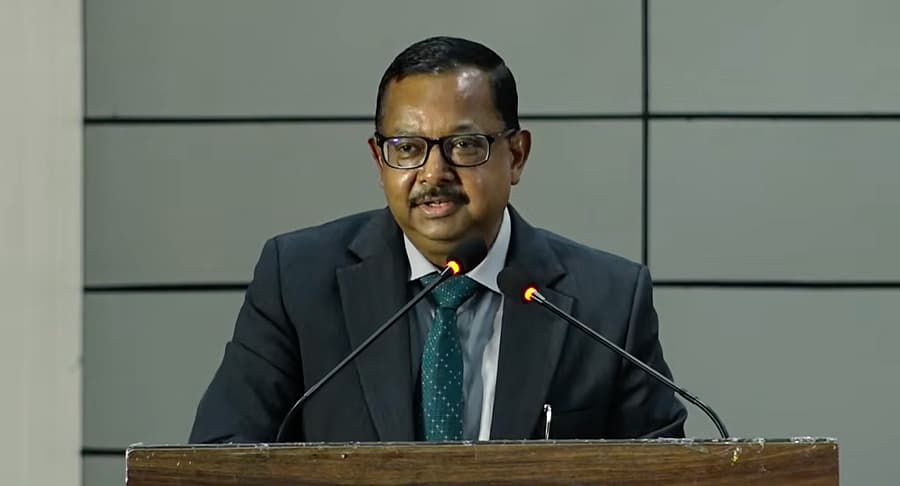
Supreme Court judge Justice Ujjal Bhuyan has expressed concerns over the shrinking public space for dissent in India, citing instances of students being arrested for campus protests and delays in securing bail as a means of discouraging legitimate dissent. He warned against the criminalisation of peaceful protest, highlighting that even normal activities are being treated as crimes.
Introduction
Supreme Court judge Justice Ujjal Bhuyan on Saturday expressed concerns over the shrinking public space for dissent in India, stating that citizens are increasingly facing criminal action for exercising their right to protest. This development has significant implications for the protection of constitutional freedoms and the essence of democracy, which relies heavily on debate and dissent.
Background
The Indian Constitution guarantees fundamental freedoms, including the right to express one's views and demonstrate peacefully. However, Justice Bhuyan noted that even normal activities are being criminalised, with environmental protesters and students facing increasing criminal action. This trend is particularly concerning as it risks discouraging legitimate dissent and stifling public debate.
Analysis
Justice Bhuyan's concerns highlight the need for a nuanced approach to balancing individual rights with public order. While courts have been granting relief in many cases, the delays and restrictive bail conditions often accompanying these decisions risk undermining the effectiveness of these protections. Furthermore, the increasing trend of criminalising peaceful protest raises questions about the limits of state power and the role of the judiciary in protecting constitutional freedoms.
Conclusion
In light of Justice Bhuyan's warnings, it is essential for legal professionals to remain vigilant in monitoring this trend and advocating for the protection of constitutional rights. As the public space for dissent continues to shrink, it is crucial that courts and lawmakers work together to strike a balance between individual freedoms and public order.
How does this affect your business?
Get an AI analysis of this article grounded in your jurisdictions, practice areas, and any policy documents you've uploaded to Wansom.