
INEC Portal: APC mocks opposition over deadline extension for uploading candidates’ names
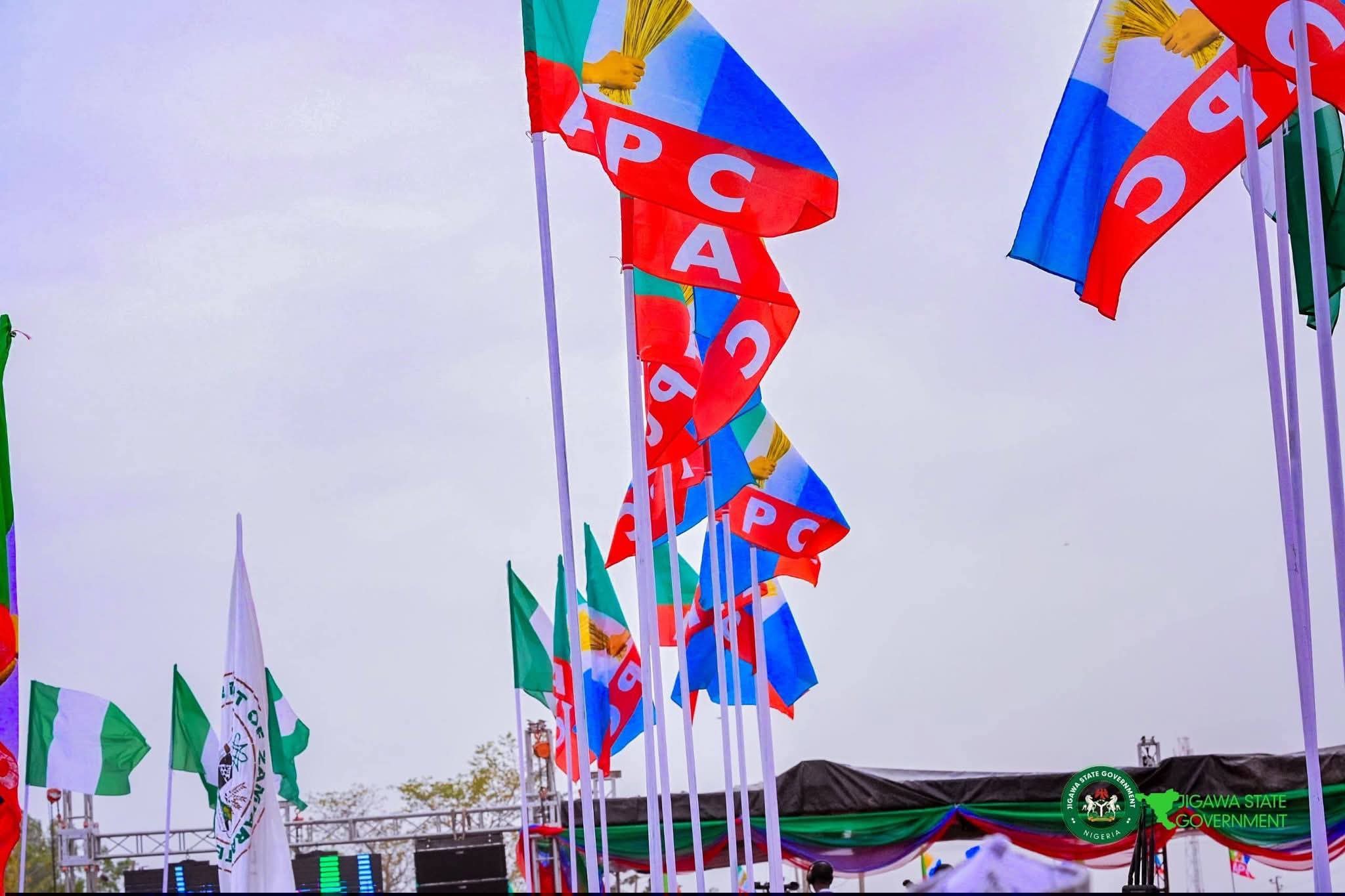
Abstract
The Independent National Electoral Commission (INEC) recently extended the deadline for political parties to upload the names and particulars of their candidates for the 2027 Presidential and National Assembly elections. This decision, prompted by an appeal from the Inter-Party Advisory Council (IPAC) due to challenges faced by some parties, has been acknowledged by the All Progressives Congress (APC) as being within INEC's statutory powers and administrative discretion. However, the APC simultaneously used the extension to highlight perceived organisational shortcomings of opposition parties. This article examines the legal framework underpinning INEC's power to adjust electoral timelines, particularly in light of the Electoral Act, 2022, and recent judicial pronouncements, while considering the implications for party compliance and the integrity of the electoral process.
Introduction
Nigeria's electoral landscape is frequently shaped by the intricate interplay between statutory provisions, regulatory guidelines, and the administrative discretion of the Independent National Electoral Commission (INEC). A recent development saw INEC extend the deadline for political parties to submit the lists and personal particulars of their candidates for the upcoming 2027 Presidential and National Assembly elections. This extension, from July 11 to July 14, 2026, was reportedly granted following an appeal by the Inter-Party Advisory Council (IPAC) on behalf of parties struggling to meet the initial deadline.
The decision, while seemingly a pragmatic response to operational challenges, has ignited political commentary, with the ruling All Progressives Congress (APC) leveraging it to critique the organisational capacity of opposition parties. For legal practitioners, this event raises critical questions regarding the scope of INEC's powers to vary its own timetable, the sanctity of electoral deadlines, and the broader implications for internal party democracy and the potential for pre-election litigation. This article delves into the legal basis for such extensions, drawing on the Electoral Act, 2022, and relevant judicial interpretations, to provide clarity on the legal boundaries within which INEC operates.
Background
The conduct of elections in Nigeria is primarily governed by the Constitution of the Federal Republic of Nigeria, 1999 (as amended), and the Electoral Act, 2022. The Electoral Act, 2022, a significant legislative reform, introduced several innovations aimed at enhancing the credibility and transparency of the electoral process. Key among these are provisions related to electoral timelines and the nomination of candidates. Section 29(1) of the Electoral Act, 2022, mandates political parties to submit to the Commission, in prescribed forms, the list of candidates they propose to sponsor at elections, not later than 180 days before the date appointed for a general election. This provision significantly extended the previous timeline of 60 days under the repealed 2010 Act, aiming to provide ample time for parties to conclude primaries and resolve disputes.
INEC is constitutionally empowered to organise, undertake, and supervise all elections to the offices of the President and Vice-President, the Governor and Deputy Governor of a State, and to the membership of the Senate, the House of Representatives and the House of Assembly of each State of the Federation. This broad mandate includes the power to issue regulations and guidelines for the conduct of elections, which give practical effect to the provisions of the Electoral Act. However, this power is not unfettered. The principle that electoral proceedings are *sui generis* and that time is of the essence is well-established in Nigerian jurisprudence, underscoring the importance of strict adherence to statutory deadlines to ensure certainty and avoid undue manipulation of the electoral calendar.
Analysis
The recent extension of the deadline for candidate submission by INEC, while framed as an exercise of administrative discretion and a commitment to inclusivity, must be scrutinised against the backdrop of the Electoral Act, 2022, and recent judicial pronouncements. The APC's statement that INEC acted within its statutory powers and administrative discretion suggests an acceptance, at least from the ruling party, that this particular extension does not contravene the law. This perspective is crucial, as the Electoral Act, 2022, generally expanded INEC's powers to enhance its constitutional role.
However, the extent of INEC's discretion in adjusting timelines has been a subject of judicial review. Recent Federal High Court rulings, notably in cases like *Youth Party v. INEC* (Suit No. FHC/ABJ/CS/517/2026 and FHC/ABJ/CS/720/2026), have clarified that while INEC has the constitutional authority to issue and adjust election schedules, its powers must remain within timelines established by law. These judgments explicitly stated that INEC cannot abridge or shorten statutory deadlines prescribed by the Electoral Act. The current scenario, involving an *extension* of a deadline rather than an *abridgement*, presents a different legal nuance. An extension, particularly one granted upon appeal from political parties (via IPAC), could be argued to be in furtherance of the electoral process's integrity and inclusivity, provided it does not fundamentally alter the statutory timeline for the election itself or prejudice other critical aspects of the electoral calendar.
Section 29(1) of the Electoral Act, 2022, sets a 'not later than 180 days' benchmark for candidate submission. An extension that still falls within this overarching statutory period, or is a minor adjustment to an administrative deadline within the broader statutory framework, is more likely to withstand legal challenge than one that attempts to shorten a period explicitly defined by the Act. The rationale for the extension—parties' inability to upload names due to internal processes or portal challenges—highlights the practical difficulties in adhering to strict timelines, especially for parties with numerous candidates. While the Act aims to promote internal party democracy and timely conduct of primaries, the reality of party operations often necessitates some flexibility. However, any such flexibility must not be seen to undermine the principle of 'time of the essence' in electoral matters, which is crucial for the certainty and finality of election outcomes. The Supreme Court has also pronounced that INEC's powers must be exercised with due respect to the provisions of the Electoral Act.
The implications for practitioner advising political parties are significant. Parties must be acutely aware that while INEC may grant extensions for administrative convenience, the fundamental statutory timelines remain paramount. Non-compliance with these core provisions, even with an administrative extension, could still render a candidate list invalid if challenged successfully. The emphasis on the online nomination portal also underscores the need for parties to develop robust internal mechanisms for data collation and submission, mitigating reliance on last-minute appeals for extensions.
Conclusion
The recent extension of the deadline for candidate submission by INEC, while a pragmatic response to appeals from political parties, serves as a critical reminder of the delicate balance between administrative discretion and statutory rigidity in Nigeria's electoral law. While the APC's acknowledgement of INEC's powers in this instance suggests a lack of immediate legal challenge to the extension itself, the underlying issues of party compliance and internal organisational capacity remain pertinent.
For legal practitioners, this development reinforces the imperative of advising political parties on strict adherence to both statutory timelines, such as those in Section 29(1) of the Electoral Act, 2022, and INEC's administrative schedules. While INEC may exercise its discretion for inclusivity, as it did in this case, recent judicial pronouncements have clearly delineated the boundaries of this power, particularly against abridging statutory periods. Parties must proactively manage their nomination processes to avoid last-minute crises, thereby reducing the potential for litigation and ensuring their candidates are validly presented. Future elections will undoubtedly continue to test these boundaries, making vigilance and meticulous compliance with the Electoral Act, 2022, and INEC's regulations essential for all stakeholders.
Citations
- 1.Electoral Act, 2022
- 2.Premium Times Nigeria, "INEC extends deadline for parties to submit candidates" (July 12, 2026)
- 3.Premium Times Nigeria, "UPDATED: INEC changes dates for 2023 general elections" (February 26, 2022)
- 4.Businessday NG, "INEC extend candidates list submission deadline on IPAC appeal" (July 12, 2026)
- 5.REVELATION AGENTS, "INEC Extends Deadline For Submission of Candidates'Lists to July 14" (July 12, 2026)
- 6.Punch Newspapers, "2027 Elections: Six Legal Hurdles Before INEC" (July 08, 2026)
- 7.YouTube, News Central TV Africa, "Court Orders INEC To Revise 2027 Election Timetable" (May 27, 2026)
- 8.YouTube, News Central TV Africa, "INEC Invalidates Post-May 30 Primaries Ahead of 2027 Elections" (June 06, 2026)
- 9.YouTube, News Central TV Africa, "2027 Elections: Candidate Upload Deadline, INEC Portal Issues & Party Disputes" (July 06, 2026)
- 10.YouTube, News Central TV Africa, "INEC Portal Opens As Court Battles Threaten 2027 Election Plans" (July 03, 2026)
- 11.INEC, "Regulations and Guidelines for the Conduct of Elections, 2026" (April 30, 2026)
- 12.PLAC, "Section 29 - Electoral Act 2022"
- 13.Global Law Experts, "Some Distinctive Features Of Nigeria's Electoral Act 2022"
- 14.OAL | Leading Law Firm in Nigeria, "Electoral Act 2022, The Implication and Developmental Trend it Brings to Electoral Process in Nigeria."
- 15.Nigerian Journals Online, "JUDICIAL INTERPRETATION OF STATUTES LIMITING TIME TO TAKE STEPS IN ELECTION PROCEEDINGS AND THE DOCTRINE OF STARE DECISIS IN NIG"
- 16.Legit.ng, "2027 Election: Six Lawsuits Threatening to Reshape INEC Timetable, Party Lineup" (July 09, 2026)
- 17.Premium Times Nigeria, "INEC Portal: APC mocks opposition over deadline extension for uploading candidates’ names" (July 13, 2026)
How does this affect your business?
Get an AI analysis of this article grounded in your jurisdictions, practice areas, and any policy documents you've uploaded to Wansom.