
Just in: NCAA bans pilot who landed plane on Delta road
Abstract
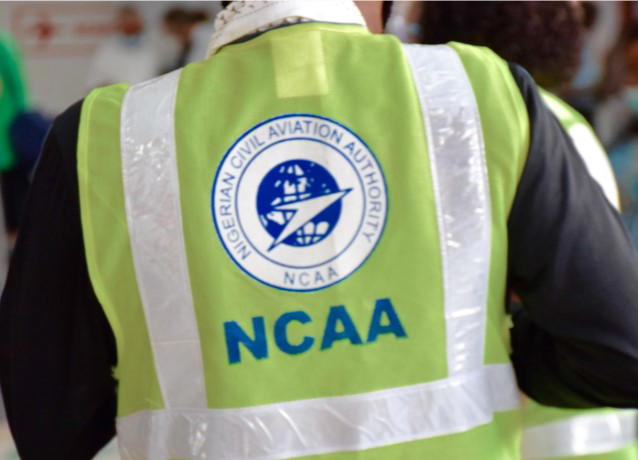
The Nigerian Civil Aviation Authority (NCAA) has taken decisive action against the flight crew and aircraft involved in a recent incident where a private jet landed on a road in Delta State, Nigeria. The pilot-in-command has been banned from operating in Nigerian airspace, the First Officer suspended, and the aircraft grounded with its Permit for Non-Commercial Flight (PNCF) suspended, pending the completion of a multi-agency investigation. This regulatory intervention underscores the NCAA's commitment to aviation safety and strict adherence to the Nigerian Civil Aviation Act 2022 and the Nigeria Civil Aviation Regulations 2023, particularly concerning unauthorized operations and adherence to approved flight procedures. The incident, involving a foreign-registered aircraft and pilots holding foreign licenses, highlights complexities in jurisdictional oversight and the critical importance of proper flight planning and execution.
Introduction
In a significant development for Nigeria's aviation sector, the Nigerian Civil Aviation Authority (NCAA) recently announced the immediate ban of the pilot-in-command and suspension of the First Officer of a private jet that landed on a road in the Ogwashi-Uku area of Delta State. The incident, which occurred in June 2026, involved a Bombardier Challenger 601-3A aircraft with registration number N989BC, operated by VMO Aero Ltd. Following the unauthorized landing, the aircraft reportedly departed the location and returned to Lagos without obtaining the necessary regulatory clearance, prompting a swift and firm response from the aviation regulator.
This incident has drawn considerable attention to aviation safety protocols, pilot conduct, and the enforcement powers of the NCAA. The Director General of the NCAA, Captain Chris Najomo, expressed profound concern, describing the event as highly unusual and indicating that the authority would investigate all circumstances, including potential ulterior motives. The regulatory actions taken by the NCAA, including the grounding of the aircraft and the suspension of its Permit for Non-Commercial Flight (PNCF), signal a zero-tolerance approach to violations of aviation regulations and underscore the paramount importance of maintaining the integrity and safety of Nigerian airspace.
This article delves into the legal framework underpinning the NCAA's actions, examining the relevant provisions of the Nigerian Civil Aviation Act 2022 and the Nigeria Civil Aviation Regulations 2023. It will analyze the implications of such regulatory enforcement for pilots, aircraft operators, and the broader aviation industry in Nigeria, emphasizing the legal obligations and potential liabilities arising from non-compliance with established aviation standards and procedures.
Background
The Nigerian aviation industry is governed primarily by the Civil Aviation Act 2022, which repealed the earlier Civil Aviation Act 2006. This Act establishes the Nigerian Civil Aviation Authority (NCAA) as the principal regulatory body responsible for technical and safety oversight within the industry. Under Section 8 of the Civil Aviation Act 2022, the NCAA is empowered to make regulations on various critical aspects of aviation, including personnel licensing, airworthiness standards, air navigation services, and aviation safety and security. These powers are further detailed in the Nigeria Civil Aviation Regulations 2023 (NCARs 2023), which provide the specific rules and standards for aviation operations in the country.
Central to the NCAA's mandate is the enforcement of these regulations to ensure the safety and efficiency of air travel. The Authority possesses the power to suspend, withdraw, or revoke licenses and permits for non-compliance. For instance, the Permit for Non-Commercial Flight (PNCF) is a specific authorization for private jet owners, explicitly prohibiting the use of such aircraft for the carriage of passengers, cargo, or mail for hire or reward, as stipulated in Section 32(4) of the Civil Aviation Act 2022. Violations of these terms can lead to severe penalties, including the suspension or revocation of the PNCF.
The investigation of aviation incidents and accidents in Nigeria falls under the purview of the Nigerian Safety Investigation Bureau (NSIB), which is mandated to determine the causes of such occurrences. However, the regulatory and enforcement aspects, particularly concerning pilot licensing and operator compliance, are ultimately handled by the NCAA. The Federal High Court holds exclusive jurisdiction over aviation matters and offences under the Civil Aviation Act 2022.
Analysis
The NCAA's decision to ban the pilot-in-command and suspend the First Officer, along with grounding the aircraft and suspending its PNCF, is a direct exercise of its enforcement powers under the Civil Aviation Act 2022 and the NCARs 2023. The core of the alleged infractions appears to stem from two primary issues: the unauthorized landing on a road and the subsequent unauthorized departure without regulatory clearance. Landing an aircraft outside an approved aerodrome, especially on a public road, constitutes a serious breach of flight operational procedures and safety regulations, which mandate operations within designated and controlled airspace and facilities. The NCAA Director General's statement, questioning how a pilot could mistake a road for a runway, highlights the gravity of this operational deviation.
Furthermore, the unauthorized departure from the landing site without obtaining clearance from Air Traffic Control (ATC) or the NCAA represents a distinct and severe violation. Such an action bypasses critical safety checks and regulatory oversight, potentially endangering other airspace users and persons on the ground. The NCAA has explicitly stated that it will not hesitate to initiate enforcement actions, including suspension or revocation of permits, against PNCF holders engaged in illegal operations. The involvement of the Department of State Services (DSS) alongside the NSIB and NCAA suggests that the incident may have broader security implications or that authorities are investigating potential motives beyond mere operational error.
An interesting jurisdictional point arises from the fact that the aircraft was American-registered and the pilots held American licenses. While Nigerian regulations impose a 65-year age limit for commercial pilots, the pilots in this incident, aged 75 and 70, were reportedly operating under US FAA regulations, which do not consider them overaged under their applicable rules. However, the incident occurred within Nigerian airspace, subjecting the operations to Nigerian civil aviation laws and regulations. The Civil Aviation Act 2022 applies to all foreign-registered aircraft operating in Nigeria, into and out of Nigeria. Therefore, while the pilots' licenses might be valid under US law, their conduct within Nigerian territory must conform to Nigerian safety and operational standards. The NCAA's actions demonstrate its assertion of sovereign regulatory authority over all aviation activities within its jurisdiction, irrespective of the aircraft's registration or the pilots' licensing authority. The ongoing investigation will likely clarify the interplay of international aviation standards (ICAO Annex 13, which NSIB coordinates with) and national regulations in determining the full scope of liability and appropriate sanctions.
Conclusion
The NCAA's swift and firm response to the private jet landing incident in Delta State serves as a potent reminder to all aviation stakeholders of the stringent regulatory environment governing Nigerian airspace. For legal practitioners advising pilots, aircraft owners, and operators, this incident underscores the critical importance of meticulous adherence to flight plans, approved aerodromes, and all regulatory clearances, particularly when operating private or non-commercial flights. The suspension of the pilot-in-command and First Officer, coupled with the grounding of the aircraft and suspension of its PNCF, highlights the severe consequences of operational deviations and unauthorized actions.
Practitioners should advise clients on the comprehensive implications of the Civil Aviation Act 2022 and the Nigeria Civil Aviation Regulations 2023, emphasizing that foreign registration or licensing does not exempt operators from compliance with Nigerian laws while operating within its jurisdiction. The multi-agency investigation involving the NSIB, NCAA, and DSS indicates a thorough and potentially far-reaching inquiry, which may lead to further regulatory reforms or heightened enforcement. Legal professionals must stay abreast of the investigation's outcome and any subsequent policy adjustments to effectively guide clients on best practices, risk mitigation, and compliance strategies to ensure continued safe and lawful aviation operations in Nigeria.
Citations
- 1.Civil Aviation Act 2022
- 2.Nigeria Civil Aviation Regulations 2023
- 3.Vanguard News, "Just in: NCAA bans pilot who landed plane on Delta road" (July 15, 2026)
- 4.THISDAYLIVE, "NCAA: Why 75-year-old Pilot, 70-year-old Co-pilot Flew Aircraft that Landed on Delta Road" (June 14, 2026)
- 5.Punch Newspapers, "Why jet landed on Asaba construction road — NSIB" (July 10, 2026)
- 6.ICLG, "Nigeria — Aviation Laws and Regulations 2025"
- 7.Vanguard News, "How private jet landed on Asaba road after aborted approach - NSIB" (July 10, 2026)
- 8.Policy and Legal Advocacy Centre, "CIVIL AVIATION ACT (2022)"
- 9.The Guardian, "Delta highway incident: NSIB retrieves cockpit, flight data recorders from aircraft" (June 12, 2026)
- 10.Adeola Oyinlade & Co, "Passengers' Rights and Remedies Under The Nigerian Civil Aviation Act" (March 05, 2024)
- 11.PolicyVault.Africa, "Nigerian Civil Aviation Authority Act"
- 12.The Sun Nigeria, "NCAA bans pilot, suspends first officer over Asaba airport incident" (July 15, 2026)
- 13.CEOAfrica, "Why 75-year-old pilot flew aircraft that landed on Delta road — NCAA" (June 13, 2026)
- 14.Aviation Monitor, "NCAA Threatens Enforcement Of Actions Against PNCF Holders In Illegal Operations" (March 13, 2024)
- 15.NigerianFLIGHTDECK, "Asaba Incident: NCAA Grounds Aircraft, Suspends Operator Permit" (June 11, 2026)
- 16.NOVA NEWS, "NCAA: Pilot Who Landed Aircraft on Delta Road Is 75, Co-Pilot 70" (June 12, 2026)
- 17.Businessday NG, "NCAA initiates enforcement actions against five sanctioned airlines" (December 20, 2024)
- 18.Policy and Legal Advocacy Centre, "CIVIL AVIATION ACT" (Section on suspension of validation)
- 19.Nigeria Civil Aviation Authority, "NCAA Compliance and Enforcement Handbook" (January 09, 2023)
- 20.Nigeria Civil Aviation Authority, "sanctions: ncaa clarifies enforcement action" (December 28, 2024)
- 21.The Guardian, "N12b debts: NCAA suspends 'No Pay, No Service' directive over airlines" (May 25, 2026)
- 22.Nigerian Eye, "NCAA Suspends Pilot After Delta Road Landing Incident" (July 15, 2026)
- 23.Premium Times, "JUST IN: NCAA suspends pilots, grounds jet involved in Asaba road-landing incident" (July 15, 2026)
How does this affect your business?
Get an AI analysis of this article grounded in your jurisdictions, practice areas, and any policy documents you've uploaded to Wansom.