
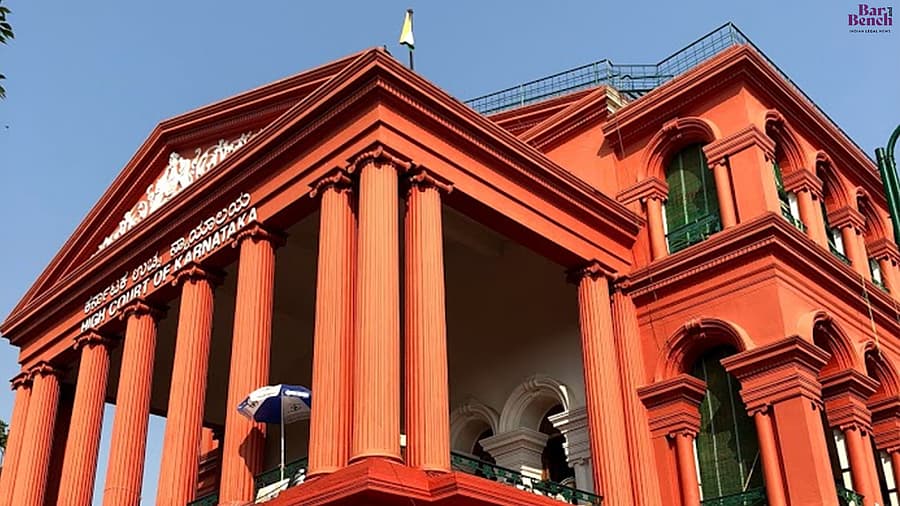
Karnataka HC shocked after daughters of KPSC chairman declare his annual income as ₹40k to secure reservation
Abstract
The Karnataka High Court has expressed shock over allegations that the Chairman of the Karnataka Public Service Commission (KPSC) Shivashankarappa S Sahukar's annual income was misrepresented in certificates used by his daughters to claim reservation benefits. The matter involves allegations of recruitment irregularities, with a petition filed seeking a Central Bureau of Investigation (CBI) probe. The court's oral remarks highlight the apparent discrepancy between the KPSC Chairman's salary and the income declared in the certificates.
Introduction
The Karnataka High Court has been presented with a contentious matter involving allegations of recruitment irregularities and misrepresentation of income by the Chairman of the Karnataka Public Service Commission (KPSC). The court's oral remarks on this issue highlight the significance of this case, which may have far-reaching implications for the administration of reservation benefits in government jobs. This article will examine the background to this case and its potential legal significance.
Background
The KPSC is responsible for conducting recruitment processes for various government jobs in Karnataka. The Chairman of the KPSC plays a crucial role in overseeing these processes, including the selection of candidates under reserved categories such as Category 3B. However, allegations have been made that the KPSC Chairman's daughters produced fake income certificates to secure appointment to government jobs under this category. This raises questions about the integrity of the recruitment process and the potential for abuse of power by those in positions of authority.
Analysis
The court's oral remarks on this issue are significant, as they suggest that there may be a genuine discrepancy between the KPSC Chairman's salary and the income declared in the certificates. This raises questions about the accuracy of the certificates and the potential for misrepresentation of income by those seeking to claim reservation benefits. The petition filed before the court seeks a CBI probe into the alleged recruitment irregularities, which would be a significant development if granted. The implications of this case are far-reaching, as it may lead to a re-examination of the administration of reservation benefits in government jobs and the potential for abuse of power by those in positions of authority.
Conclusion
The Karnataka High Court's oral remarks on this issue highlight the need for transparency and accountability in the administration of reservation benefits in government jobs. If the allegations made in the petition are substantiated, it may lead to significant reforms in the recruitment process and a re-examination of the role of those in positions of authority. Practitioners should closely follow developments in this case, as they may have implications for future recruitment processes and the administration of reservation benefits.
How does this affect your business?
Get an AI analysis of this article grounded in your jurisdictions, practice areas, and any policy documents you've uploaded to Wansom.