
Karonga Council shuts down 11 mills for poor waste disposal
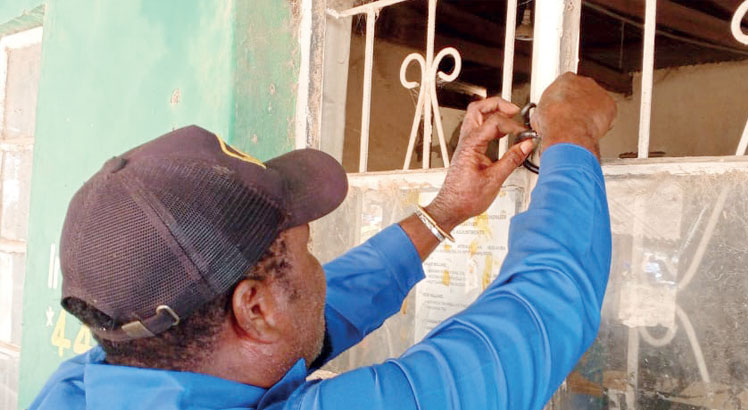
Abstract
Karonga Town Council has taken decisive action to address sanitation concerns in the town by shutting down 11 rice and groundnuts mills that allegedly failed to properly dispose of their waste. The council's chairperson, Baleke Maholo, stated that the decision follows a series of warnings and meetings with the affected parties. This move aims to ensure good sanitation within the town, but its implications on the affected businesses and residents remain unclear.
Introduction
The recent closure of 11 mills in Karonga Town by the local council has sparked interest among legal professionals and stakeholders. The decision was taken after a series of warnings and meetings with the affected parties, highlighting the importance of proper waste disposal in urban areas. This development raises questions about the balance between economic activities and environmental concerns.
Background
The issue of poor waste disposal is not new to Karonga Town, but the council's actions have brought it to the forefront. The town's sanitation infrastructure has been a subject of concern for residents and businesses alike. The council's decision to shut down the mills may be seen as an attempt to address this issue, but its effectiveness in achieving good sanitation remains to be seen.
Analysis
The closure of the mills raises several legal questions. Firstly, what constitutes 'poor waste disposal' under Malawian law? Are there specific regulations governing waste management in urban areas? The council's actions may be seen as a form of enforcement, but it is unclear whether they have the authority to shut down businesses without following due process. Furthermore, what are the implications for the affected businesses and residents? Will the closure lead to job losses or economic hardship?
Conclusion
The Karonga Town Council's decision to shut down 11 mills has significant implications for the town's sanitation and economy. While the council's actions may be seen as a necessary step in addressing environmental concerns, they also raise questions about the balance between economic activities and regulatory enforcement. As legal professionals, it is essential to monitor this development and consider its potential impact on future cases involving waste management and regulatory enforcement.
How does this affect your business?
Get an AI analysis of this article grounded in your jurisdictions, practice areas, and any policy documents you've uploaded to Wansom.