
Kenya High Court Rules Suspect Fit for Murder Trial
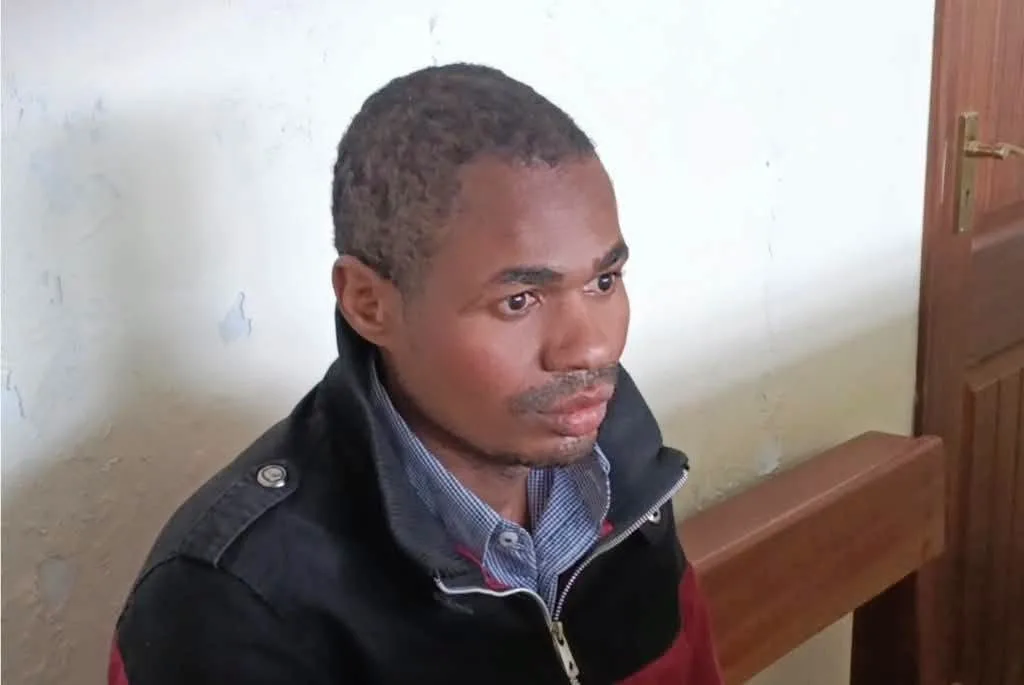
Summary
- The High Court in Kenya has ruled that Kennedy Kalombotole is mentally fit to stand trial for murder.
- A panel of three psychiatrists concluded that Kalombotole could understand the proceedings and enter a plea.
- The case had remained in limbo for over a year due to conflicting medical assessments.
- Justice Kavedza directed lawyers representing the victims' family to file applications to protect their clients' interests during the proceedings.
- The murder trial is scheduled to commence on October 26, 2026.
Murder Trial Set to Commence
After months of legal delays over his psychiatric condition, the court ruled that Kalombotole is mentally fit to stand trial.
The High Court in Kenya has cleared the way for the murder trial of Kennedy Kalombotole, accused of killing a fellow patient at Kenyatta National Hospital (KNH), to proceed. After months of legal delays over his psychiatric condition, the court ruled that Kalombotole is mentally fit to stand trial. The decision was made after a panel of three psychiatrists from Mathare National Teaching and Referral Hospital concluded that he could understand the proceedings and enter a plea. This marks a significant milestone in the case, which had remained in limbo for over a year due to conflicting medical assessments.
Relevant Legal Context
The Kenyan justice system has faced scrutiny over its handling of Kalombotole's mental fitness. Initially, the court explored the possibility of sending him to South Africa for an independent psychiatric evaluation after local experts failed to reach a consensus. However, this proposal was later abandoned in favor of appointing a panel of three Kenyan psychiatrists to carry out a comprehensive assessment. The report ultimately established that Kalombotole was mentally capable of standing trial, allowing the criminal proceedings to move forward.
Why It Matters
The case highlights the importance of ensuring that defendants are mentally fit to stand trial. Lawyers representing the victims' family should file applications to protect their clients' interests during the proceedings, as directed by Justice Kavedza. The court's decision also underscores the need for effective communication and coordination between medical professionals and the justice system in handling complex cases like this one.
Practical Implications
Lawyers representing the victims family should file applications to protect their clients interests during the proceedings, as directed by Justice Kavedza.
Source
Source: Original reporting via [Source]
How does this affect your business?
Get an AI analysis of this article grounded in your jurisdictions, practice areas, and any policy documents you've uploaded to Wansom.