
Kenya Pursues National Transition from Traditional Cooking Fuels by 2028
Abstract
The Kenyan Government is aggressively pursuing a national transition from traditional cooking fuels to cleaner alternatives, aiming for universal access by 2028. This ambitious shift is primarily driven by public health, environmental protection, and sustainable energy access imperatives. Key legislative and policy instruments, including the Energy Act, 2019, the Climate Change Act, 2016 (as amended), and the recently launched Kenya National Cooking Transition Strategy (KNCTS) 2024-2028, provide the legal and strategic framework for this transition. The initiative involves promoting diverse clean fuels like LPG, bioethanol, and electricity, supported by subsidies, tax incentives, and public-private partnerships, while simultaneously addressing the challenges of regulating traditional biomass and ensuring affordability and accessibility for all households.
Introduction
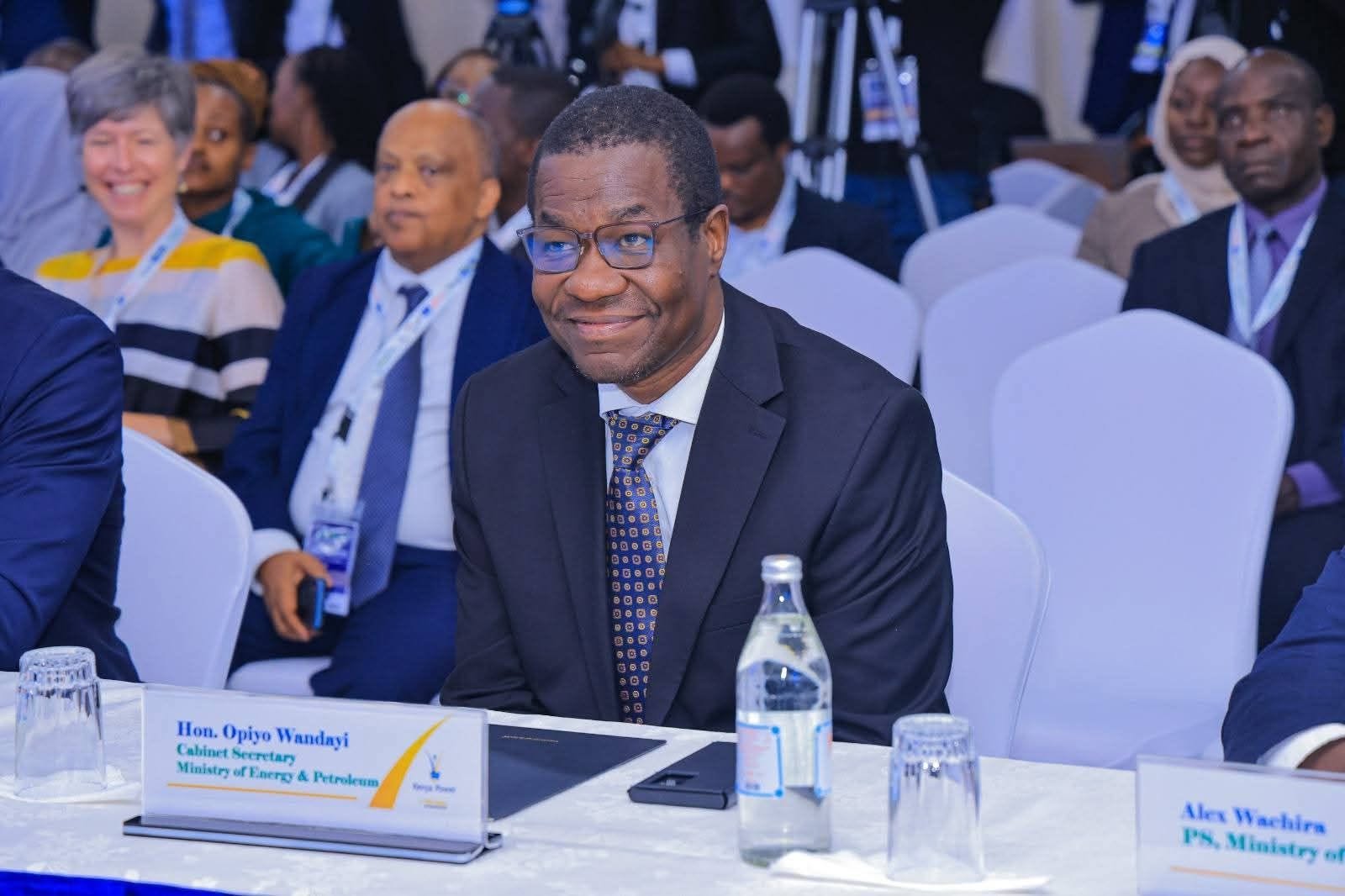
Kenya is embarking on an accelerated national initiative to transition millions of households from reliance on traditional cooking fuels, such as firewood and charcoal, to cleaner, more sustainable alternatives by 2028. This significant policy shift, championed by Energy Cabinet Secretary Opiyo Wandayi, is deemed critical for enhancing public health outcomes, safeguarding the environment, and broadening access to sustainable energy across the nation. The move underscores Kenya's commitment to its international climate change obligations and domestic development goals, particularly in achieving universal energy access.
This article delves into the legal and regulatory landscape underpinning Kenya's clean cooking transition. It examines the foundational statutes, recent policy developments, and the strategic frameworks designed to facilitate this ambitious shift. For legal practitioners, understanding this evolving framework is crucial for advising clients involved in the energy sector, environmental compliance, infrastructure development, and consumer protection, as the government intensifies its efforts to meet the 2028 deadline.
Background
Kenya's commitment to sustainable energy and environmental protection is deeply embedded in its legislative and policy frameworks. The Constitution of Kenya, 2010, vests natural resources in the people and empowers the government to regulate them. The overarching long-term national development blueprint, Kenya Vision 2030, envisions a newly industrialising middle-income nation providing a high quality of life in a clean and secure environment, with the development of new and renewable energy sources as a key pillar.
Central to the energy sector is the Energy Act, 2019, which serves as the principal legislation, promoting renewable energy and establishing the Energy and Petroleum Regulatory Authority (EPRA) as the sector's primary regulator. Complementing this, the Environmental Management and Co-ordination Act (EMCA), 1999, as amended in 2015, provides the framework for environmental protection and mandates environmental impact assessments for large-scale projects, including those related to biomass. Furthermore, the Climate Change Act, 2016, subsequently amended in 2023, establishes a framework for climate-resilient low-carbon development, mandates the National Climate Change Action Plan (NCCAP), and provides for the regulation of carbon markets, aligning Kenya with international climate commitments like the Paris Agreement. These legislative instruments collectively form the bedrock upon which the clean cooking transition is being built, aiming to address the significant reliance of over 65% of Kenyan households on traditional, polluting cooking fuels.
Analysis
The government's intensified push towards clean cooking is operationalised through a multi-pronged policy and regulatory approach. The recently launched Kenya National Cooking Transition Strategy (KNCTS) 2024-2028 is a groundbreaking multi-fuel strategy, aiming for universal access by 2028. It sets specific targets for household fuel mixes, including 50% LPG, 30% bioethanol, 10% electricity, 3% biogas, and 7% sustainable biomass (briquettes/pellets). This is further supported by the Kenya National Electric Cooking Strategy (KNeCS) 2024, which outlines a pathway to accelerate the electrification of cooking, targeting 10% of households by 2028.
To facilitate this transition, the government has implemented various incentives and programmes. The Ministry of Energy and Petroleum has initiated LPG subsidy schemes, such as 'Gas Yetu,' aimed at distributing 4.4 million subsidized 6kg gas cylinders to low-income households over five years. Additionally, the government has used fiscal measures, including cutting and later exempting VAT on cooking LPG, to enhance affordability. The Energy Act, 2019, empowers EPRA to regulate energy purchase contracts and set tariffs, which can be leveraged to make clean energy alternatives more competitive. The Climate Change Act, 2016, as amended in 2023, also opens avenues for carbon financing, providing a mechanism to fund clean cooking projects through carbon credit generation.
However, the transition is not without its challenges. The regulation of traditional fuels, particularly charcoal, has faced hurdles. The Forest (Charcoal) Rules, 2009, under the Forests Act, 2005 (now Forest Conservation and Management Act, 2016), require licenses and permits for charcoal production and movement. Despite these regulations, weak enforcement has led to a significant portion of charcoal being produced and sold by non-compliant entities, highlighting a gap in effective governance. Affordability and access to finance for clean technologies, coupled with underdeveloped infrastructure for distribution, remain significant barriers, especially for rural populations. The government is addressing these by promoting local manufacturing of clean cooking devices and fostering public-private partnerships to bridge investment gaps.
Comparative analysis with other African nations reveals that Kenya's clean cooking sector is considered one of the most advanced in East Africa, in terms of available solutions and access. The multi-fuel approach outlined in the KNCTS, which includes LPG, bioethanol, electricity, and sustainable biomass, demonstrates a pragmatic understanding that a single solution may not fit all contexts. This diversified strategy, coupled with a focus on local manufacturing and carbon financing, positions Kenya as a leader in the clean energy transition on the continent.
Conclusion
Kenya's commitment to achieving universal access to clean cooking by 2028, as articulated in the KNCTS and other policy documents, represents a significant legal and regulatory undertaking. The robust framework, encompassing the Energy Act, Climate Change Act, and specific clean cooking strategies, provides a clear roadmap for this transition. While substantial progress has been made in establishing supportive policies and initiatives, such as LPG subsidies and VAT exemptions, challenges related to enforcement, affordability, and infrastructure development persist.
For legal practitioners, this evolving landscape presents numerous opportunities and considerations. Advising clients in the renewable energy sector, particularly those involved in LPG, bioethanol, and electric cooking technologies, requires a deep understanding of the regulatory requirements, licensing procedures, and available incentives. Furthermore, expertise in environmental law, carbon markets, and public-private partnerships will be critical as the government seeks to leverage private sector investment and international climate finance. Practitioners should closely monitor the implementation of the KNCTS and KNeCS, any new regulations from EPRA, and the effectiveness of enforcement mechanisms for traditional fuels, as these will shape the trajectory and success of Kenya's ambitious clean cooking future.
Citations
- 1.Constitution of Kenya, 2010
- 2.Energy Act, 2019
- 3.Environmental Management and Co-ordination Act, 1999
- 4.Environmental Management and Co-ordination (Amendment) Act, 2015
- 5.Climate Change Act, 2016
- 6.Climate Change (Amendment) Act, 2023
- 7.Forests Act, 2005
- 8.Forest (Charcoal) Rules, 2009
- 9.Forest Conservation and Management Act, 2016
- 10.National Energy Policy 2025-2034
- 11.Kenya National Cooking Transition Strategy (KNCTS) 2024-2028
- 12.Kenya National Electric Cooking Strategy (KNeCS) 2024
- 13.Kenya Vision 2030
- 14.Sustainable Energy for All (SE4ALL) Initiative - Kenya Action Agenda
- 15.International Energy Agency (IEA) - Cooking gas consumer support (Kenya policy update, June 2024)
- 16.KIPPRA - Economic Subsidies: The Kenya Experience (February 2024)
- 17.WePlanet Africa - Kenya bets on LPG to curb carbon emissions (March 2024)
- 18.Energy News Network - When cooking threatens health: What the Kenyan government is doing to increase adoption of clean cooking options (April 2026)
- 19.InvestKenya - Clean Cooking Sector Investment Opportunity in Kenya
- 20.Clean Cooking Alliance - Kenya Country Profile
- 21.Climate Action Tracker - Kenya Policies & action (April 2026)
- 22.Mondaq - Kenya Renewable Energy Comparative Guide (July 2024)
- 23.Africa Energy Portal - Kenya Country Profile
- 24.IEA - National Energy Policy 2025 – 2034 (March 2026)
- 25.Scribd - Kenya Charcoal Regulations Overview
- 26.SEI - Overcoming barriers to sustainable charcoal in Kenya
- 27.World Agroforestry - Kenya has been trying to regulate the charcoal sector: why it's not working (February 2021)
- 28.African Centre for Technology Studies - Kenya Charcoal Regulations Pocket Book: A Guide to Sustainable Production and Trade (April 2012)
- 29.IEA - Executive summary – Energy Efficiency for Affordability – Analysis (Kenya)
- 30.Afriwise - Climate Change (Amendment) Act 2023 – An Overview
- 31.Wikipedia - Renewable energy in Kenya
- 32.Review of Policy Environment for the Adoption and Diffusion of Clean Cooking Solutions in Kenya and Tanzania
- 33.AUDA-NEPAD - Sustainable Energy For All Kenya Action Agenda
- 34.Climate Policy Database - National Cooking Transition Strategy Kenya (2024)
- 35.Kenya Climate Directory - Kenya: Energy Development Plan to Decarbonise the Economy
- 36.YouTube - Ruto's government to finally deliver promise on subsidised cooking gas (February 2024)
- 37.SEforALL - Country work - Kenya
- 38.Sustainable Energy for All - Kenya Country Brief: Sustainable Cooling for All in Kenya (November 2024)
- 39.PVKnowhow - Navigating Solar Factory Regulations in Kenya (EPRA, KEBS, NEMA) (September 2025)
- 40.The Energy Pioneer - Kenya's Clean Cooking Future (June 2026)
- 41.WRI - Leveraging Energy Access Explorer to Advance Kenya's Clean Cooking Agenda (March 2024)
- 42.Combating Charcoal and Firewood Trade, and Illegal Logging in Kenya with Green Energy Options - FROM CHARRED
- 43.State Department for Energy - Kenya National electric Cooking Strategy (KNeCS)
- 44.CSIS - Kenya's Green Leadership: Shaping Africa's Climate Future (February 2025)
- 45.Affordability of clean cooking technologies key to securing universal access to clean cooking
How does this affect your business?
Get an AI analysis of this article grounded in your jurisdictions, practice areas, and any policy documents you've uploaded to Wansom.