
CD Kindu Water Crisis Affects Over 20,000 Residents
Summary
- Over 20,000 residents in Kindu's Kasuku commune are without access to clean drinking water.
- The lack of clean water has led to a surge in hydric diseases, posing a significant threat to the health and well-being of the community.
- The situation highlights potential human rights violations related to the right to clean water, which could lead to litigation or regulatory action.
What Happened
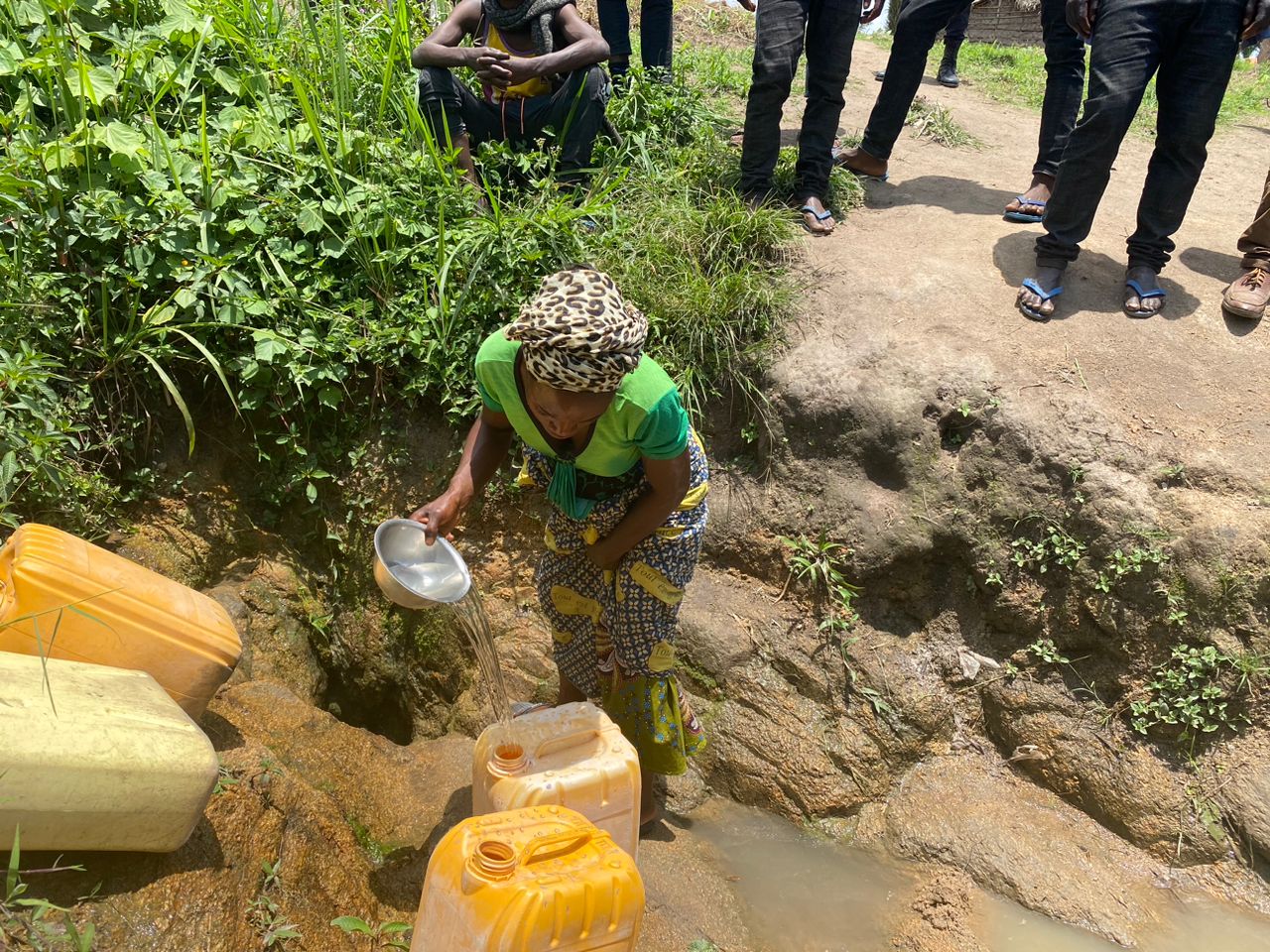
Residents are forced to spend their days searching for water, with many relying on daily corvées to fetch water from unknown sources.
The Kindu water crisis has left over 20,000 residents in the Kasuku commune without access to clean drinking water. The situation is particularly dire in the Bloc aéro quarter of Kasuku, where a major social and health crisis has been unfolding for several years. Residents are forced to spend their days searching for water, with many relying on daily corvées to fetch water from unknown sources. This lack of access to basic services has led to a surge in hydric diseases, posing a significant threat to the health and well-being of the community.
Legal Context
The right to clean water is enshrined in international human rights law, including Article 11 of the International Covenant on Economic, Social and Cultural Rights. This article recognizes the right to an adequate standard of living, which includes access to safe drinking water. In light of this, lawyers and compliance officers should be aware that potential human rights violations related to the right to clean water could lead to litigation or regulatory action. The situation in Kindu highlights the need for authorities and development partners to prioritize the provision of basic services, including access to clean water.
Why It Matters
The Kindu water crisis is not just a local issue; it has broader implications for the social and economic stability of the region. The lack of access to clean water has led to a breakdown in community cohesion, with residents struggling to cope with the daily challenges of finding potable water. Moreover, the absence of basic services such as healthcare and education has created a fertile ground for hydric diseases to spread. As the situation continues to deteriorate, it is essential that authorities and development partners take immediate action to address the crisis and ensure access to clean water for all residents.
Practical Implications
Lawyers and compliance officers should watch for potential human rights violations related to the right to clean water, which could lead to litigation or regulatory action.
Source
How does this affect your business?
Get an AI analysis of this article grounded in your jurisdictions, practice areas, and any policy documents you've uploaded to Wansom.