
Kingsley Chinda: The man with the requisite experience
Abstract
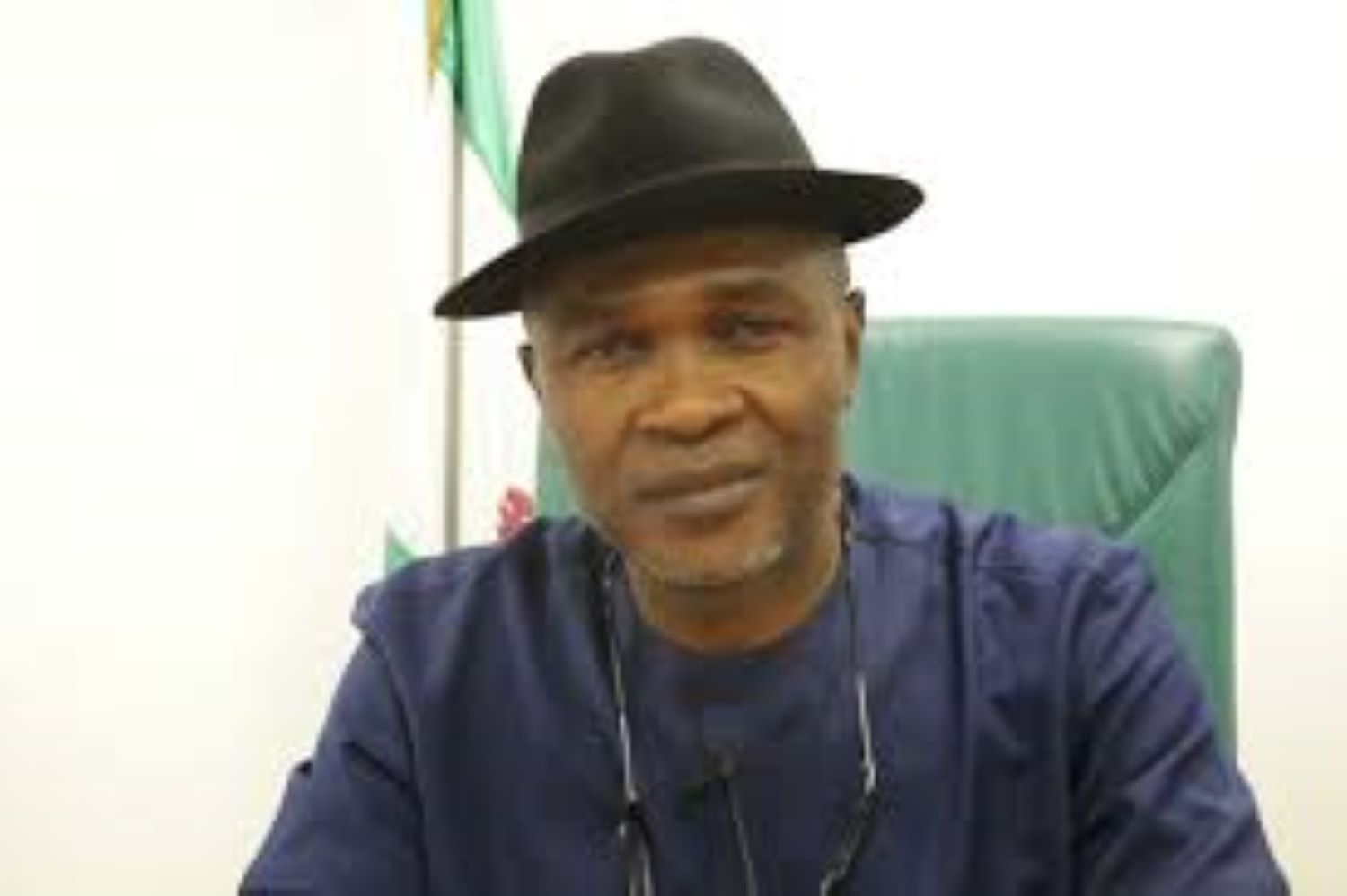
Kingsley Ogundu Chinda, a seasoned legal practitioner and prominent Nigerian politician, embodies the critical intersection of law and governance. Called to the Nigerian Bar in 1995, his extensive experience spans private legal practice, human rights advocacy, environmental law, and a distinguished career in the House of Representatives, where he served as Minority Leader. This article examines how Chinda's multifaceted legal and legislative background, culminating in his recent defection to the All Progressives Congress (APC) and emergence as its Rivers State governorship candidate for 2027, positions him as a figure with the requisite expertise to navigate complex legal and political challenges. His journey highlights the invaluable role of legal professionals in shaping legislative processes, ensuring accountability, and driving policy development within Nigeria's democratic framework.
Introduction
In the intricate landscape of Nigerian politics and governance, the demand for experienced and legally astute leadership is paramount. The recent discourse surrounding Kingsley Ogundu Chinda, as highlighted by the *Vanguard* newspaper, underscores this very principle: that complex tasks necessitate leaders with proven experience. Chinda, a distinguished legal professional and a long-serving member of the House of Representatives, has consistently demonstrated a profound understanding of both the law and the legislative process. His career trajectory, from private legal practice to a pivotal role in national law-making, exemplifies the critical contributions legal minds make to public service.
Background
Kingsley Chinda's journey into public service is firmly rooted in a strong legal foundation. He was called to the Nigerian Bar in 1995, following his legal education at Rivers State University of Science and Technology and the Nigerian Law School. Prior to his legislative career, Chinda honed his legal skills in private practice, notably as a principal partner and Managing Solicitor at Onyeagucha, Chinda and Associates, with offices across Port Harcourt, Owerri, and Abuja. His practice areas included Class Action, Human Rights, and Environmental law, often undertaking pro bono cases for indigent persons and anchoring free legal clinics. This early engagement with public interest advocacy laid the groundwork for his later legislative focus. His political career commenced with roles as a Legal Adviser for various political parties, including the Peoples Democratic Party (PDP), and as the Commissioner for Environment in Rivers State from 2008 to 2010. He was first elected to represent the Obio/Akpor Federal Constituency in the House of Representatives in 2011, a position he has held since.
The Nigerian legislative framework is established by the Constitution of the Federal Republic of Nigeria 1999 (as amended), which vests legislative powers in a bicameral National Assembly comprising the Senate and the House of Representatives. Section 4(1) of the Constitution empowers the National Assembly to make laws for the peace, order, and good government of the Federation. Each House has the power to regulate its own procedure under Section 60 and to conduct investigations into matters within its legislative competence, as provided by Section 88. The role of a Minority Leader, a position Chinda previously held, is crucial in this system, serving as the official voice of the opposition, coordinating parliamentary strategy, and advocating for accountability and democratic principles.
Analysis
Kingsley Chinda's legislative tenure has been marked by a consistent application of his legal acumen to national issues. As a Member of the House of Representatives, he has sponsored and co-sponsored several significant bills, reflecting his diverse legal interests. Notable among these are the Nigerian Content (Non-Oil and Gas Sector) Development (Establishment) Bill, 2023, aimed at expanding local content beyond the oil and gas industry, and the National Agency for Artisanal Petroleum Refining (Establishment) Bill, 2023. Furthermore, his sponsorship of the Council for Regulation of Legislative Counsel and Other Legislative Practitioners (Establishment) Bill, 2023, directly addresses the professional standards within the legislative arm, a clear testament to his legal background. He has also championed motions for a living wage for Nigerian workers, demonstrating his commitment to human rights and welfare, an area he practiced in as a lawyer.
His role as the Minority Leader of the House of Representatives placed him at the forefront of parliamentary strategy and opposition leadership. In this capacity, Chinda was a vocal advocate for accountability, democratic principles, and effective governance. His leadership was evident in instances where he raised concerns about inter-chamber tensions, particularly regarding the Senate's delays in concurring to bills passed by the House of Representatives. This highlights the practical challenges in Nigeria's bicameral legislature, where Section 58(1)-(3) of the 1999 Constitution mandates that a bill must be passed by both chambers before presidential assent. His experience in navigating such procedural and political impasses underscores his deep understanding of legislative dynamics and constitutional requirements.
A recent and significant development in Chinda's political career, which has substantial legal implications, is his defection from the Peoples Democratic Party (PDP) to the All Progressives Congress (APC) and his subsequent resignation as Minority Leader on June 2, 2026. This move followed his emergence as the APC governorship candidate for Rivers State in the upcoming 2027 elections. This transition, particularly while still holding a key opposition leadership role, ignited debates about partisan loyalty and the legal permissibility of such shifts. While the Constitution allows for freedom of association, the ethical and political implications of a Minority Leader contesting under a different party banner before formal defection raise questions about the integrity of political processes and the 'legal gap' that allows for such flexibility. This scenario presents a complex legal and political challenge, requiring a nuanced understanding of constitutional provisions, electoral laws, and parliamentary conventions, all areas where Chinda's experience would be invaluable.
Conclusion
Kingsley Chinda's career trajectory exemplifies the profound impact that a robust legal background and extensive legislative experience can have on public service and governance in Nigeria. His journey, from a dedicated legal practitioner focused on human rights and environmental law to a prominent legislator and Minority Leader, demonstrates a consistent commitment to the rule of law and democratic principles. The 'tough task' referenced in the initial excerpt, now understood in the context of his gubernatorial ambition, will undoubtedly demand the full breadth of his legal and political acumen.
For legal practitioners, Chinda's career offers valuable insights into the interplay between law, policy, and politics. His engagement with legislative drafting, parliamentary oversight, and the navigation of inter-party dynamics highlights the practical application of constitutional law and administrative principles. As Nigeria continues to evolve its democratic institutions, the presence of legally grounded individuals like Chinda in leadership positions remains crucial for ensuring legislative effectiveness, promoting accountability, and upholding the tenets of good governance. Practitioners should keenly observe how his legal and legislative experience will shape his approach to executive governance, particularly in addressing the complex legal and developmental challenges facing Rivers State.
Citations
- 1.Constitution of the Federal Republic of Nigeria 1999 (as amended)
- 2.AG Bendel State v AG Federation
- 3.Adikwu and others v National Assembly
- 4.Tony Momoh v Senate
- 5.Channels Television, "Reps Minority Leader Kingsley Chinda Defects To APC, Resigns Position" (June 2, 2026)
- 6.Government LibertyApp, "Kingsley Chinda"
- 7.National Assembly | Federal Republic of Nigeria, "Hon. KINGSLEY CHINDA"
- 8.PLAC BILLSTRACK, "Bills Sponsored / Co-sponsored by Hon. KINGSLEY CHINDA"
- 9.Premium Times Nigeria, "Kingsley Chinda: Parliament's opposition leader serving as ruling party's gubernatorial candidate" (May 25, 2026)
- 10.Vanguard News, "Kingsley Chinda: The man with the requisite experience" (June 13, 2026)
- 11.Vanguard News, "Chinda @58: Celebrating an icon in legislative matters" (March 24, 2024)
- 12.Validating the Office of the Electorate on Representation (Voter), "Hon Kingsley Ogundu Chinda"
- 13.Wikipedia, "Kingsley Chinda"
- 14.YouTube, "Rivers State_ Chinda's Defects to APC, Resigns As Minority Leader" (June 8, 2026)
How does this affect your business?
Get an AI analysis of this article grounded in your jurisdictions, practice areas, and any policy documents you've uploaded to Wansom.