
KNQA Partners with UNHCR in Expanding Qualifications Systems
Abstract
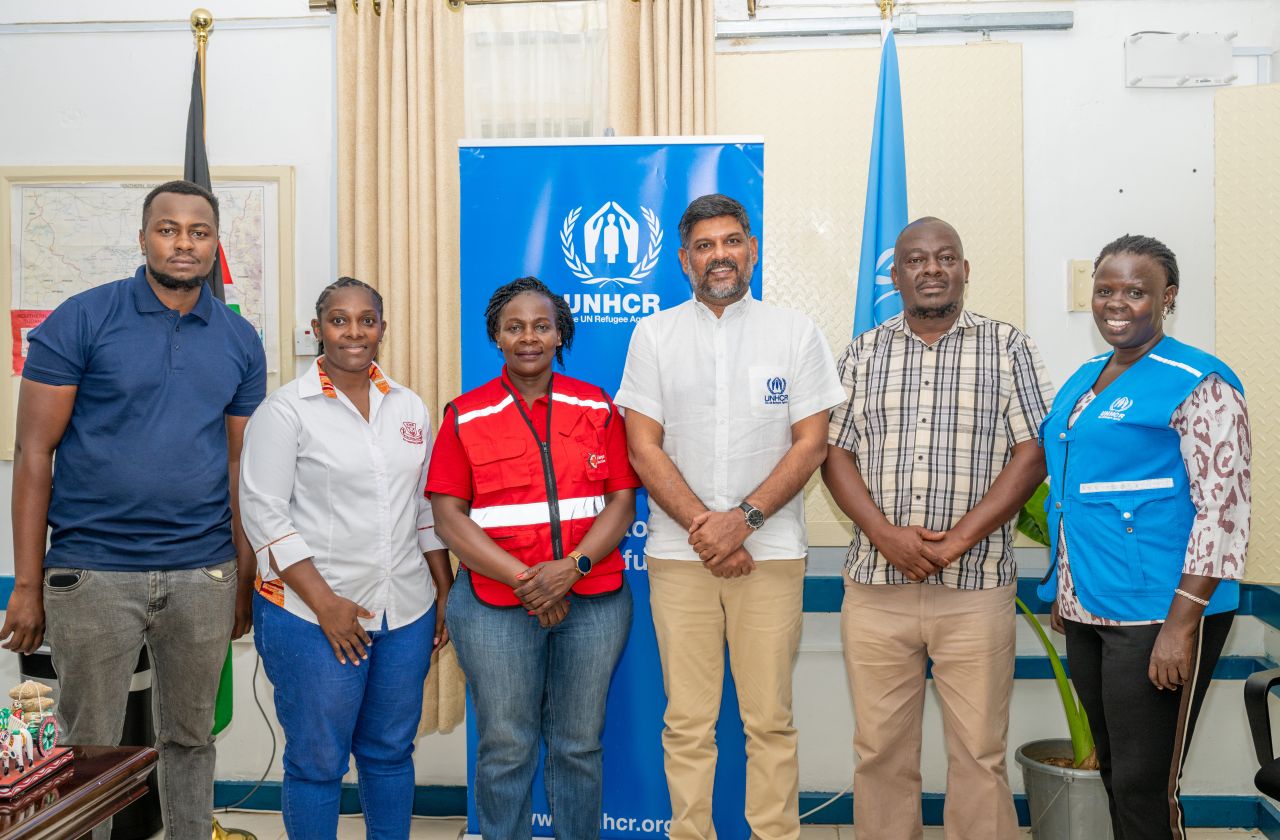
The Kenya National Qualifications Authority (KNQA) has reached a major milestone in implementing the Recognition of Prior Learning (RPL) programme for forcibly displaced persons (FDPs) and host communities in Kakuma, in partnership with the United Nations High Commissioner for Refugees (UNHCR). This achievement marks significant progress in expanding qualifications systems. The RPL programme aims to recognize and validate the skills and knowledge acquired by FDPs and host community members, enabling them to access education and employment opportunities.
Introduction
The Kenya National Qualifications Authority (KNQA) has partnered with the United Nations High Commissioner for Refugees (UNHCR) in expanding qualifications systems. The partnership has reached a major milestone in implementing the Recognition of Prior Learning (RPL) programme for forcibly displaced persons (FDPs) and host communities in Kakuma. This achievement marks significant progress in addressing the education and employment needs of FDPs and host community members.
Background
The KNQA is responsible for regulating and coordinating qualifications systems in Kenya. The RPL programme is a key initiative aimed at recognizing and validating the skills and knowledge acquired by individuals, particularly those who have been displaced or are part of marginalized communities. The partnership with UNHCR is part of the KNQA's efforts to expand its services and reach more vulnerable populations.
Analysis
The implementation of the RPL programme in Kakuma marks a significant step towards addressing the education and employment needs of FDPs and host community members. This achievement highlights the importance of partnerships between government agencies, international organizations, and local stakeholders in expanding qualifications systems. The KNQA's efforts to recognize and validate the skills and knowledge acquired by individuals will contribute to their social and economic integration.
Conclusion
The partnership between the KNQA and UNHCR has reached a major milestone in implementing the RPL programme for FDPs and host communities in Kakuma. This achievement underscores the importance of expanding qualifications systems to address the education and employment needs of vulnerable populations. Practitioners should take note of this development and its implications for the recognition and validation of skills and knowledge acquired by individuals.
How does this affect your business?
Get an AI analysis of this article grounded in your jurisdictions, practice areas, and any policy documents you've uploaded to Wansom.