
Kyebi galamsey clash triggers outrage as A Rocha Ghana and CCAL demand investigation into bloody shooting
Abstract
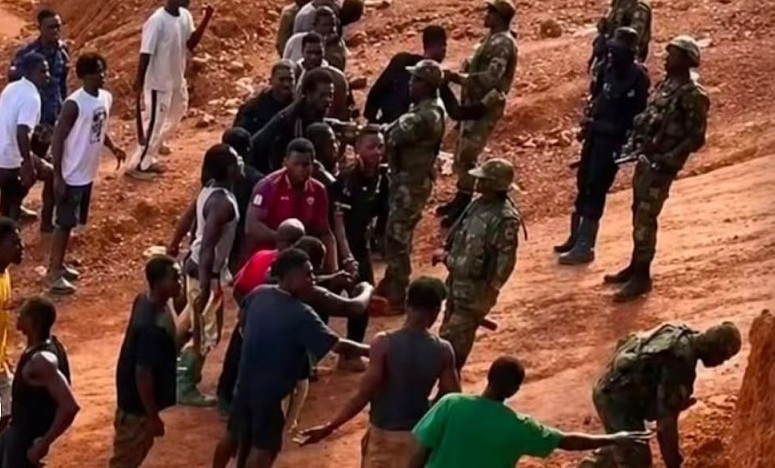
A recent violent clash at Kyebi in Ghana's Eastern Region, involving security forces and alleged illegal miners, has resulted in a shooting and sparked widespread condemnation. Environmental non-governmental organisation A Rocha Ghana and the Concerned Citizens of Atewa Landscape (CCAL) have jointly denounced the state's reactive approach to illegal mining, locally known as 'galamsey', and demanded a thorough, impartial investigation into the incident. This event underscores the persistent challenges in Ghana's fight against illegal mining, highlighting the critical need for effective enforcement of existing laws, accountability for state actors, and a shift towards proactive, sustainable solutions to protect the nation's natural resources and uphold the rule of law.
Introduction
The recent violent confrontation at Kyebi, in Ghana's Eastern Region, between a joint military and police team and individuals engaged in illegal mining, commonly referred to as 'galamsey', has reignited public debate and outrage over the state's approach to this pervasive issue. The incident, which reportedly led to one person sustaining a gunshot injury, has drawn sharp criticism from prominent environmental advocacy groups, A Rocha Ghana and the Concerned Citizens of Atewa Landscape (CCAL). These organisations have not only condemned the violence but have also called for an immediate and impartial investigation, challenging the efficacy and fairness of the state's reactive measures against illegal mining.
This clash serves as a stark reminder of the deep-seated complexities surrounding galamsey in Ghana, a phenomenon that continues to devastate the environment, pollute water bodies, and undermine the rule of law. The demands by A Rocha Ghana and CCAL transcend the immediate incident, advocating for a fundamental shift in governmental strategy from sporadic, often violent, crackdowns to a comprehensive, proactive, and legally sound framework that addresses both the symptoms and root causes of illegal mining. The article will delve into the legal and regulatory landscape, analyse the implications of such confrontations, and explore the ongoing advocacy efforts by civil society organisations to ensure accountability and sustainable environmental governance in Ghana.
Background
Ghana's mining sector is governed primarily by the Minerals and Mining Act, 2006 (Act 703), which consolidates laws relating to minerals and mining operations. This Act, along with its subsequent amendments, including the Minerals and Mining (Amendment) Act, 2015 (Act 900) and the Minerals and Mining (Amendment) Act, 2019 (Act 995), establishes the framework for legal mining, distinguishing it from 'galamsey' – a term used for all unauthorised gold mining activities. The 1992 Constitution of Ghana explicitly states in Article 257(6) that every mineral in its natural state is the property of the Republic and is vested in the President in trust for the people of Ghana, with the Minerals Commission Act, 1993 (Act 450) establishing the Minerals Commission as the regulatory body.
Environmental protection is another critical component of Ghana's legal framework, initially underpinned by the Environmental Protection Agency Act, 1994 (Act 490). This Act established the Environmental Protection Agency (EPA) to manage, coordinate, and protect Ghana's environment. Notably, the Environmental Protection Act, 2025 (Act 1124) has since replaced Act 490, consolidating environmental laws and establishing the Environmental Protection Authority with expanded regulatory powers, including climate change provisions. Despite this robust legal and institutional framework, galamsey has escalated into a national crisis, driven by factors such as poverty, unemployment, and high profitability, leading to severe environmental degradation, including the pollution of major water bodies and destruction of forest cover.
Successive Ghanaian governments have implemented various measures to combat galamsey, ranging from the establishment of the Inter-Ministerial Committee on Illegal Mining (IMCIM) and military operations like 'Operation Vanguard' and 'Operation Halt', to the creation of the National Anti-Illegal Mining Operations Secretariat (NAIMOS) under the Ministry of Lands and Natural Resources. These efforts, however, have often been criticised for being reactive, inconsistent, and hampered by issues such as corruption and political interference, failing to achieve a sustainable reduction in illegal mining activities.
Analysis
The recent Kyebi incident, where a joint security team from the National Anti-Illegal Mining Operations Secretariat (NAIMOS) clashed with alleged illegal miners, resulting in a shooting, highlights critical issues concerning the use of force and accountability in anti-galamsey operations. Reports indicate that the youth involved in mining activities blocked an access road, accusing the security personnel of selective enforcement by bypassing other mining locations. The Member of Parliament for Abuakwa South, Dr. Kingsley Agyemang, has condemned the violence and called for a thorough, impartial, and transparent investigation, underscoring the need to establish facts and ensure justice.
Civil society organisations, particularly A Rocha Ghana and the Concerned Citizens of Atewa Landscape (CCAL), have consistently challenged the government's approach to galamsey. Their condemnation of the 'reactive approach' is rooted in a history of advocacy and legal action. For instance, A Rocha Ghana, along with other CSOs, initiated legal action against the government concerning mining activities in forest reserves, specifically challenging the legality of the Environmental Protection (Mining in Forest Reserves) Regulations, L.I. 2462, which they argued was laid in Parliament without mandatory impact analysis. This sustained pressure contributed to the eventual revocation of L.I. 2462 in 2025, a significant victory for environmental campaigners.
The Atewa Forest case further exemplifies the proactive legal stance taken by CCAL and A Rocha Ghana. In 2020, a coalition of seven NGOs and four private citizens, including CCAL and A Rocha Ghana, sued the Government of Ghana over its plans to mine bauxite in the Atewa Range Forest Reserve. They argued that such mining would violate constitutional rights to a clean and healthy environment and sought to compel the government to restore damages or pay compensation. This case, which was adjourned in March 2023, demonstrates the CSOs' commitment to using legal avenues to protect vital ecosystems and hold the state accountable for its environmental stewardship.
Despite the existence of a robust legal framework, its efficiency in combating galamsey has been limited by several factors, including lack of knowledge about legal provisions, inconsistent and selective enforcement, corruption, political interference, and inadequate institutional support. A Rocha Ghana has repeatedly expressed concerns that government strategies have not yielded the necessary results, with illegal activities persisting in designated 'red zones' and questioning policies that restrict the destruction of confiscated excavators, which they argue weakens deterrence. The National Concerned Small Scale Miners Association (NCSSMA) has also called for the interdiction of the military officer involved in the Kyebi shooting, citing concerns about the proportionality of force used, further highlighting the need for adherence to due process and human rights in enforcement operations.
The recurring clashes and the CSOs' consistent critique underscore a fundamental gap between policy intent and practical implementation. While the government has announced intentions to declare water and forest reserves as security zones, civil society groups continue to demand more radical and effective measures, including expanded intelligence operations and the prosecution of financiers of illegal mining, rather than solely focusing on the miners themselves. The current reactive approach, often involving military intervention, risks escalating violence and eroding public trust, without addressing the systemic issues that perpetuate galamsey.
Conclusion
The Kyebi galamsey clash and the subsequent demands for investigation by A Rocha Ghana and CCAL serve as a critical inflection point in Ghana's ongoing struggle against illegal mining. For legal practitioners, this incident highlights the multifaceted legal risks associated with galamsey, encompassing environmental law, human rights, and the rule of law. The consistent advocacy and legal challenges by civil society organisations demonstrate a growing trend of holding the state accountable for its actions and inactions in environmental governance, necessitating a deeper understanding of public interest litigation and environmental compliance.
Moving forward, it is imperative for the Ghanaian government to move beyond reactive, force-based interventions towards a comprehensive and proactive strategy. This must include a transparent and impartial investigation into the Kyebi shooting, ensuring accountability for any excessive use of force. Furthermore, a long-term solution requires strengthening institutional capacity, addressing the socio-economic drivers of galamsey, enhancing community participation, and rigorously enforcing existing laws without prejudice. Practitioners should anticipate increased scrutiny on mining operations, both legal and illegal, and a continued push from civil society for robust environmental protection and adherence to human rights standards. The effectiveness of Ghana’s legal framework in safeguarding its natural resources and ensuring justice will ultimately depend on its consistent, equitable, and transparent application.
Citations
- 1.Minerals and Mining Act, 2006 (Act 703)
- 2.Minerals and Mining (Amendment) Act, 2015 (Act 900)
- 3.Minerals and Mining (Amendment) Act, 2019 (Act 995)
- 4.Environmental Protection Agency Act, 1994 (Act 490)
- 5.Environmental Protection Act, 2025 (Act 1124)
- 6.Minerals Commission Act, 1993 (Act 450)
- 7.Constitution of Ghana, 1992, Article 257(6)
How does this affect your business?
Get an AI analysis of this article grounded in your jurisdictions, practice areas, and any policy documents you've uploaded to Wansom.