
Lagos State Government Receives Permanent Operating Licence from NRC
Abstract
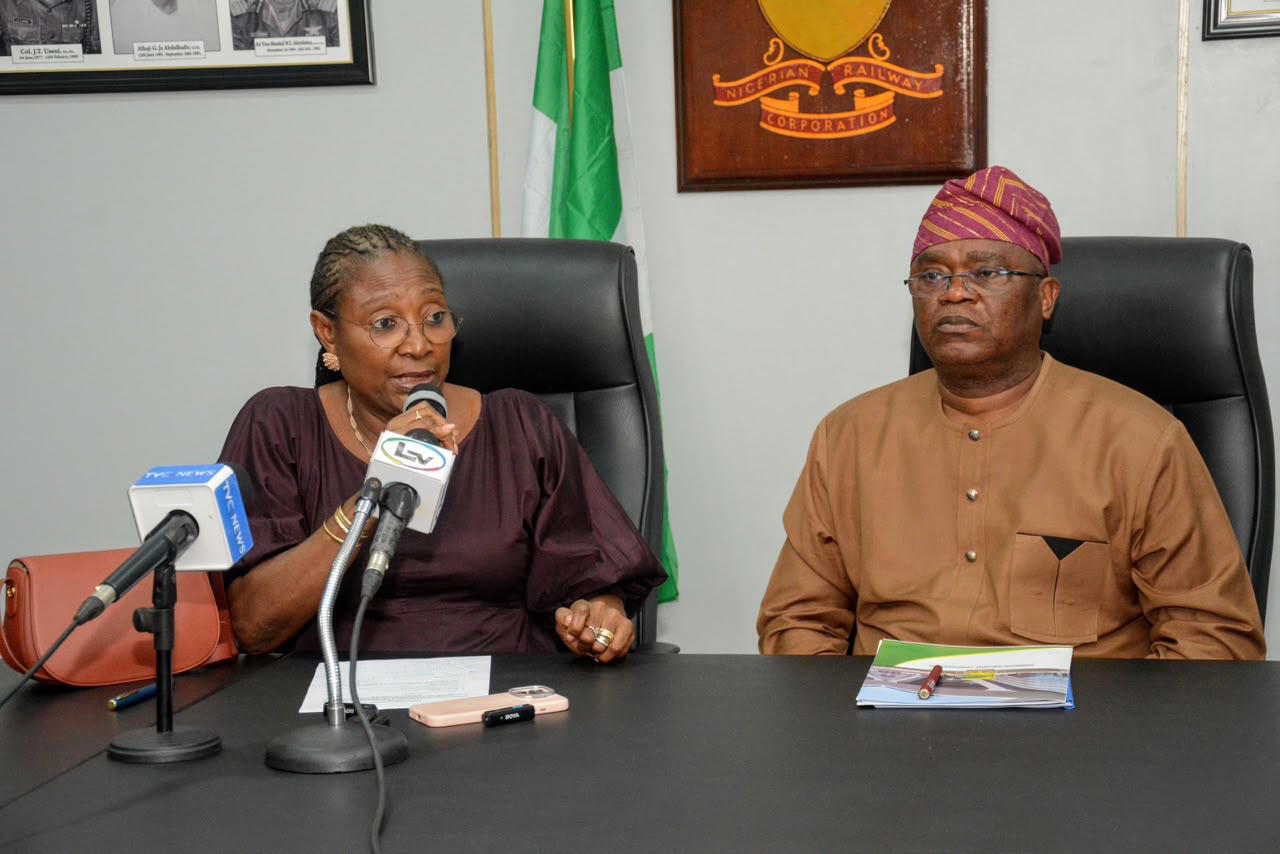
The Nigerian Railway Corporation (NRC) has granted the Lagos State Government a permanent operating licence for the Lagos Rail Mass Transit (LRMT) Red Line, marking a significant departure from the NRC's 128-year monopoly over railway operations in Nigeria. This landmark development, which includes a long-term Track Access Agreement, empowers the Lagos Metropolitan Area Transport Authority (LAMATA) to operate passenger and freight services on the shared federal rail corridor and develop future rail projects. The move signals a shift towards a multi-operator, regulated railway system, aligning with international best practices and fostering greater sub-national and private sector participation in Nigeria's critical infrastructure development. It is expected to enhance urban mobility, reduce congestion, and stimulate economic growth in Lagos and potentially other states.
Introduction
In a pivotal moment for Nigeria's transportation sector, the Nigerian Railway Corporation (NRC) recently issued a permanent operating licence to the Lagos State Government for the Lagos Rail Mass Transit (LRMT) Red Line. This development, formally presented to the Lagos Metropolitan Area Transport Authority (LAMATA), effectively ends the NRC's 128-year exclusive control over railway operations in the country, a monopoly established since 1898 and solidified by the Nigerian Railway Corporation Act of 1955.
The granting of this permanent licence is not merely an administrative formality; it represents a fundamental shift in the regulatory landscape of Nigeria's railway system. It paves the way for sub-national governments and potentially private entities to actively participate in the development and operation of rail infrastructure, moving towards a more liberalised and efficient framework. This article will delve into the legal and historical context of the NRC's monopoly, analyse the implications of this new licensing regime, and consider its broader impact on infrastructure development, federalism, and economic growth in Nigeria.
Background
The Nigerian railway system traces its origins to 1898 with the construction of the first line by the British colonial government. Over the years, various railway lines were amalgamated, leading to the establishment of the Nigerian Railway Corporation (NRC) through the Nigerian Railway Corporation Act of 1955. This Act vested the NRC with the exclusive legal right to construct and operate rail services across Nigeria, effectively creating a statutory monopoly. For over a century, the NRC remained the sole developer and operator, managing the country's extensive, albeit often underutilised, rail network.
However, the need for modern, efficient urban transportation, particularly in densely populated areas like Lagos, necessitated a re-evaluation of this monopolistic structure. The Lagos Rail Mass Transit (LRMT) project, spearheaded by the Lagos State Government through LAMATA, emerged as a critical initiative to address the city's severe traffic congestion. A significant step towards this decentralisation occurred in April 2012 when former President Goodluck Jonathan approved the transfer of two federal rail tracks to the Lagos State Government, specifically to facilitate the development of the LRMT Red Line. This presidential approval laid the groundwork for what would become one of Nigeria's most transformative urban rail projects, setting a precedent for collaboration between federal and state entities in railway development.
Analysis
The issuance of a permanent operating licence and a long-term Track Access Agreement to LAMATA for the LRMT Red Line signifies a profound legal and operational shift. Previously, the NRC's mandate under the Nigerian Railway Corporation Act, 1955, granted it exclusive rights, making it both an operator and the primary regulator of the sector. This dual role often presented conflicts of interest and hindered the entry of other operators. The current development, as articulated by the Managing Director of the NRC, Kayode Opeifa, reflects an embrace of international best practices that encourage multiple operators within a regulated railway system.
The permanent licence was granted following the successful implementation of a temporary operating licence and comprehensive operational and full-passenger assessments by the NRC. This rigorous process ensured that the LRMT Red Line met the required operational standards, demonstrating a commitment to safety and efficiency. The licence not only authorises LAMATA to operate services on the shared rail corridor in line with the existing Track Sharing Agreement but also empowers the Lagos State Government to develop and operate other rail systems in accordance with international standards. This is particularly significant as the 15-year licence extends coverage beyond the Red Line to include the Blue Line and all future rail projects developed by LAMATA within its validity period, simplifying regulatory processes for future expansion.
This landmark decision has far-reaching implications for Nigerian federalism. It decentralises regulatory authority in a sector historically controlled by the federal government, akin to the Supreme Court's decision on lottery regulation which reinforced state autonomy. Lagos State is now the first sub-national government licensed to operate a full complement of rail services, encompassing both goods and passenger traffic. This move is expected to foster increased investment in rail infrastructure by state governments and the private sector, complementing federal efforts to expand Nigeria's railway network. The anticipated increase in Red Line operations from nine to twenty-four daily trips by the fourth quarter of 2026, with each train carrying approximately 2,000 passengers, underscores the potential for significant improvements in urban mobility and economic activity.
While the NRC will continue to discharge its statutory responsibilities, its role is evolving from a sole operator to a regulator overseeing a multi-operator environment. This shift is crucial for unlocking the potential of rail transport to reduce road congestion, lower logistics costs, improve passenger mobility, and stimulate industrial and commercial activities across the country. The collaboration between the NRC and LAMATA, built on mutual trust and shared objectives, serves as a model for future partnerships aimed at developing an integrated, safe, and sustainable railway system in Nigeria.
Conclusion
The NRC's grant of a permanent operating licence to the Lagos State Government for the LRMT Red Line represents a monumental step in the evolution of Nigeria's transportation infrastructure and regulatory framework. It effectively dismantles a century-old monopoly, ushering in an era of decentralised control and increased participation by sub-national entities and the private sector. This development is poised to significantly enhance urban mobility, reduce the burden on road networks, and stimulate economic growth, particularly within the bustling Lagos metropolis.
For legal practitioners, this development signals a burgeoning area of infrastructure law, public-private partnerships, and regulatory compliance at the sub-national level. Attorneys will need to advise state governments and private investors on navigating the new multi-operator regulatory environment, understanding track access agreements, and ensuring compliance with safety and operational standards. The success of the Lagos Red Line under this new regime will undoubtedly serve as a blueprint for other states, potentially leading to a nationwide transformation of rail transport and creating new opportunities for legal expertise in project finance, regulatory affairs, and dispute resolution within the railway sector. Stakeholders should closely monitor the implementation of this framework and its impact on future railway development across Nigeria.
Citations
- 1.Nigerian Railway Corporation Act, 1955
- 2.Vanguard Nigeria, 'NRC grants Lagos permanent licence to operate red line rail', June 30, 2026
- 3.Premium Times Nigeria, 'NRC grants permanent operating licence, track access to Lagos', July 1, 2026
- 4.The Nation Newspaper, 'NRC's permanent operating licence for Lagos to use rail line', July 1, 2026
- 5.Daily Post Nigeria, 'NRC grants Lagos permanent licence to operate Red Line Rail', June 30, 2026
- 6.The Nation Newspaper, 'Lagos gets permanent licence to operate Red Line rail services', June 30, 2026
- 7.PolicyVault.Africa, 'NIGERIAN RAILWAY CORPORATION ACT'
- 8.Law Nigeria, 'NIGERIAN RAILWAY CORPORATION ACT', February 15, 2025
- 9.Medium, 'The History of Nigerian Railway Development up to Independence in 1960', November 4, 2024
- 10.Bureau of Public Enterprise, 'Nigerian Railway Corporation', January 8, 2006
- 11.Wikipedia, 'Nigerian Railway Corporation'
- 12.Academia.edu, 'Chapter 5: Prelude to the Establishment of the Nigerian Railway Corporation, 1949-1955'
- 13.TVC News, 'NRC Grants LAMATA Permanent Rail Operating Licence', July 1, 2026
- 14.Nairametrics, 'NRC grants LAMATA 15-year operating licence for Lagos metro rail network', June 30, 2026
- 15.Punch Newspapers, 'NRC grants Lagos permanent rail operating licence', July 1, 2026
- 16.Punch Newspapers, 'FG grants Lagos permanent licence to operate Red Line rail services', July 1, 2026
- 17.Chambers and Partners, 'Regulation of Lotteries in Nigeria: Review of the Supreme Court's Decision and its Implications', February 26, 2025
How does this affect your business?
Get an AI analysis of this article grounded in your jurisdictions, practice areas, and any policy documents you've uploaded to Wansom.